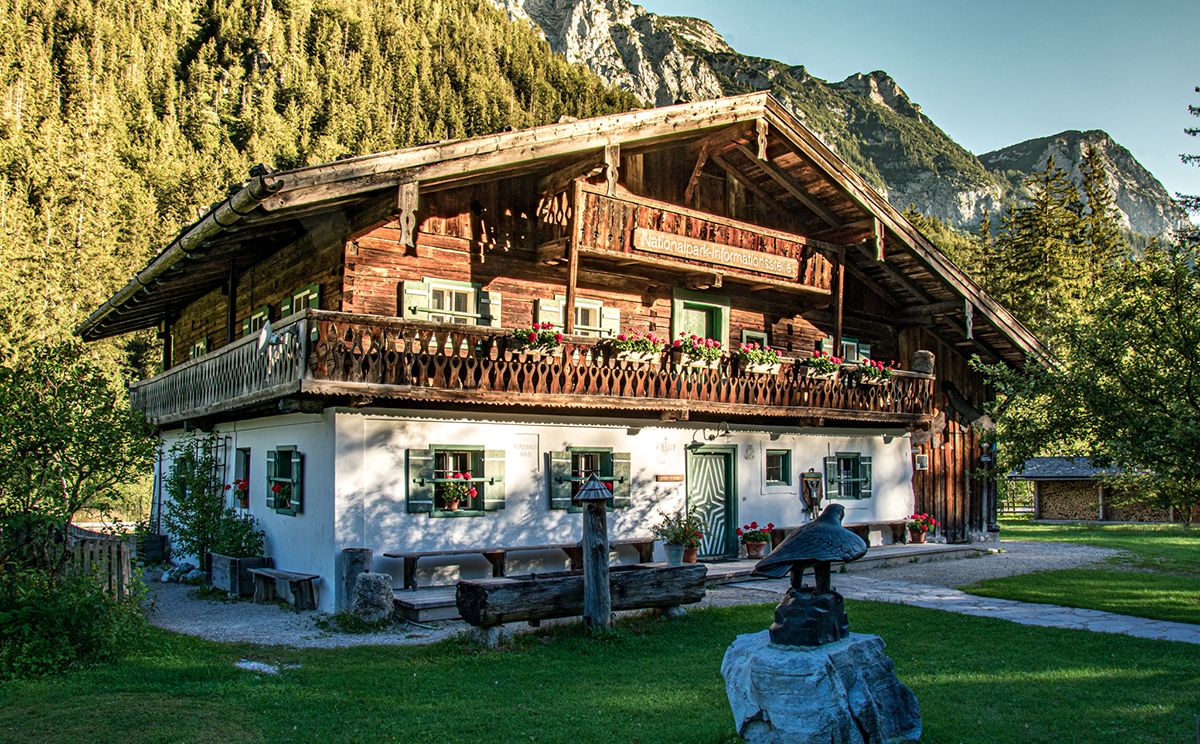
Exhibitions at Klausbachhaus
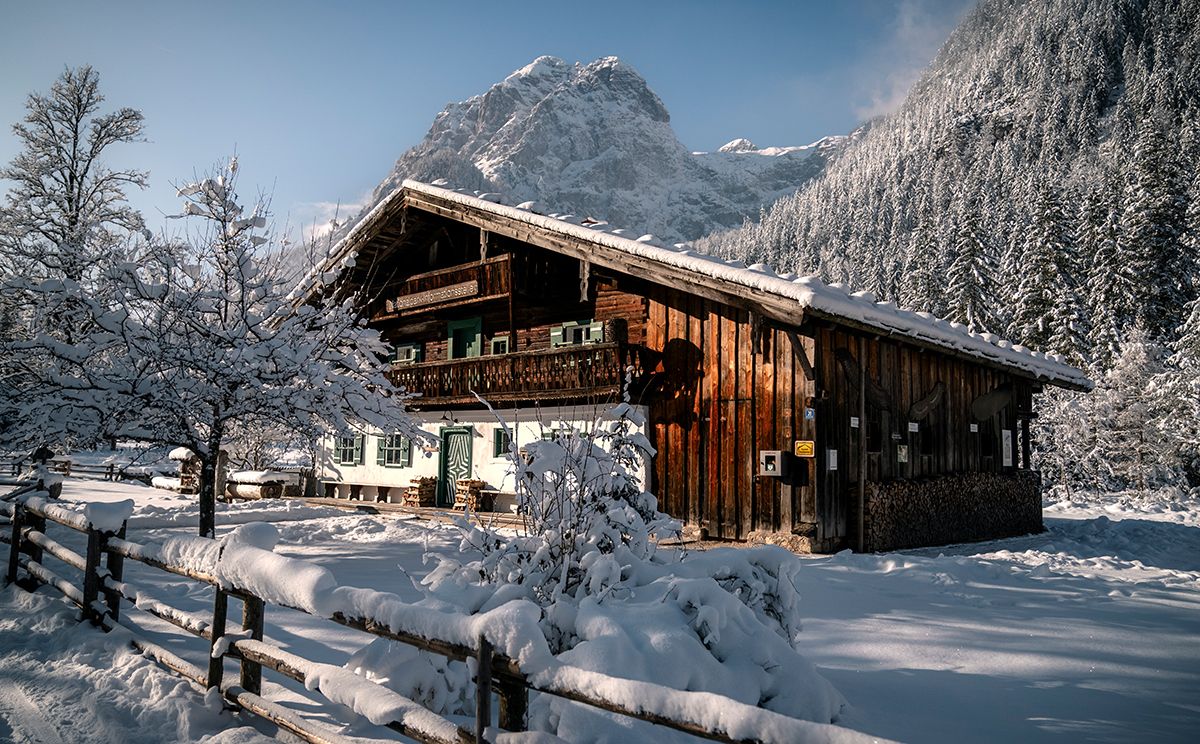
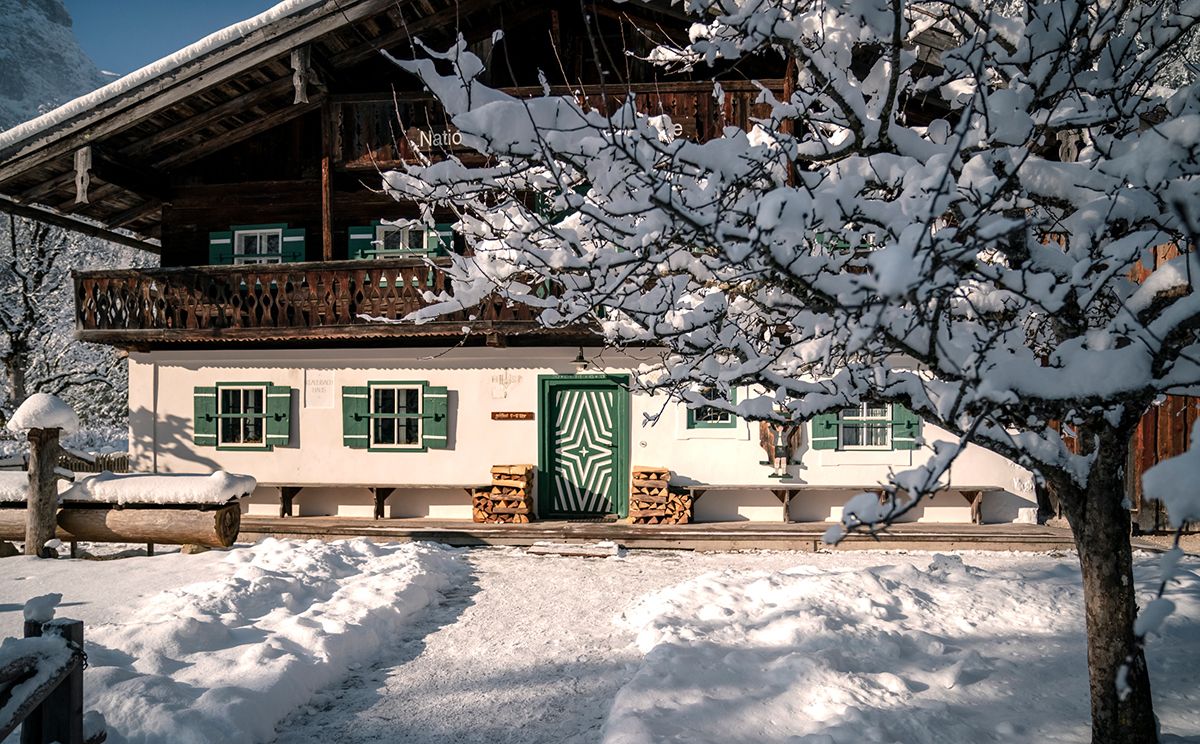
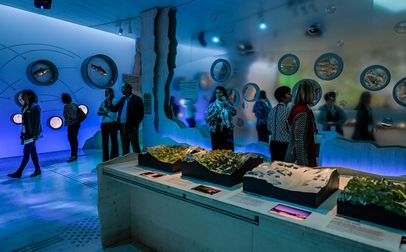
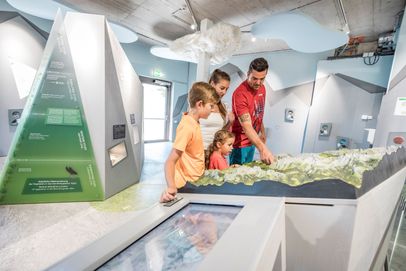
- Exhibition “1,000 Years of Ups and Downs”: This title highlights the long tradition of alpine farming and its significance for the protected area, while also emphasizing the ceaseless migration of alpine herders and their livestock from the valley to the alpine pastures and back. Alpine pastures are of great importance to the national park: They are a typical habitat with an exceptionally high level of biodiversity.
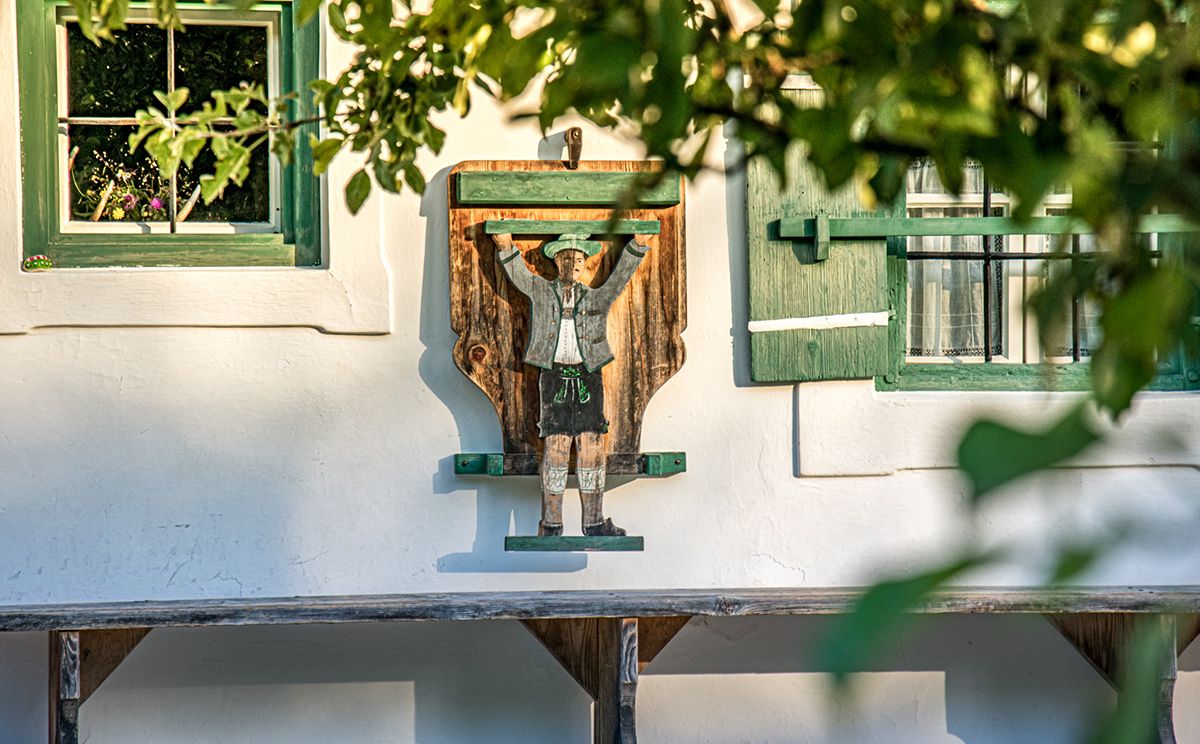
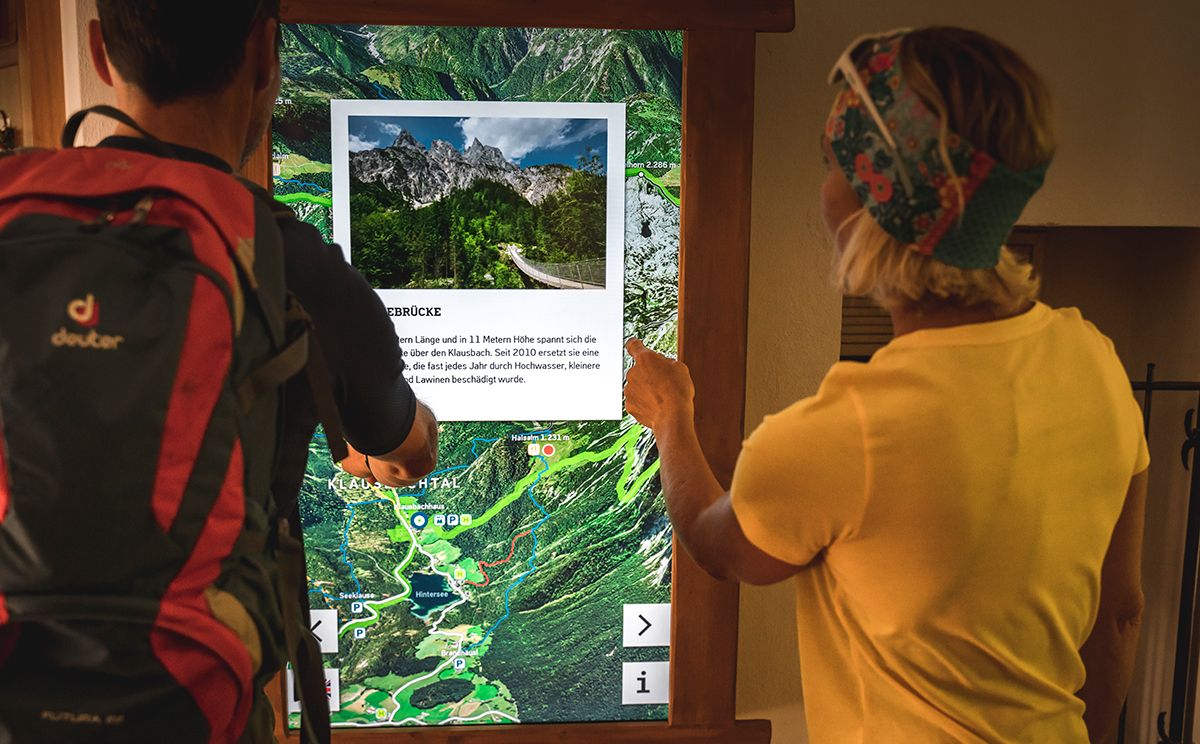
- Ground floor: Discover the themes of alpine pastures in the National Park, humans as shapers of the alpine meadows, and old breeds of livestock. A former alpine farmer will tell you what life on the alpine pastures was like in the past.
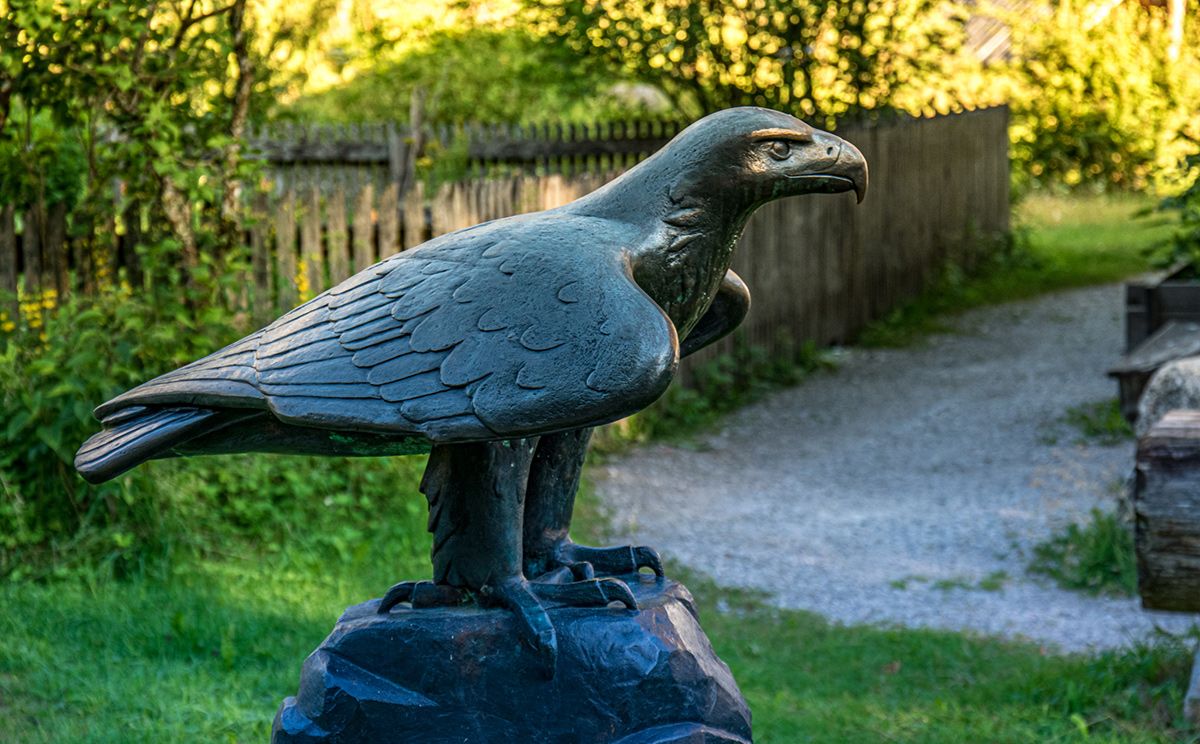
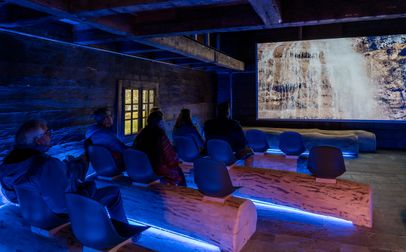
- Upper floor: The second part of the exhibition is dedicated to biodiversity: small creatures on the pastures, typical alpine plants, and crepuscular animals. The exhibition explores the question of how humans influence this biodiversity. You’ll also learn what the “King of the Skies”—the golden eagle—has to do with alpine pastures and how the landscape has changed over the decades. At the end of your tour, enjoy an impressive 12-minute film about alpine pastures throughout the seasons.
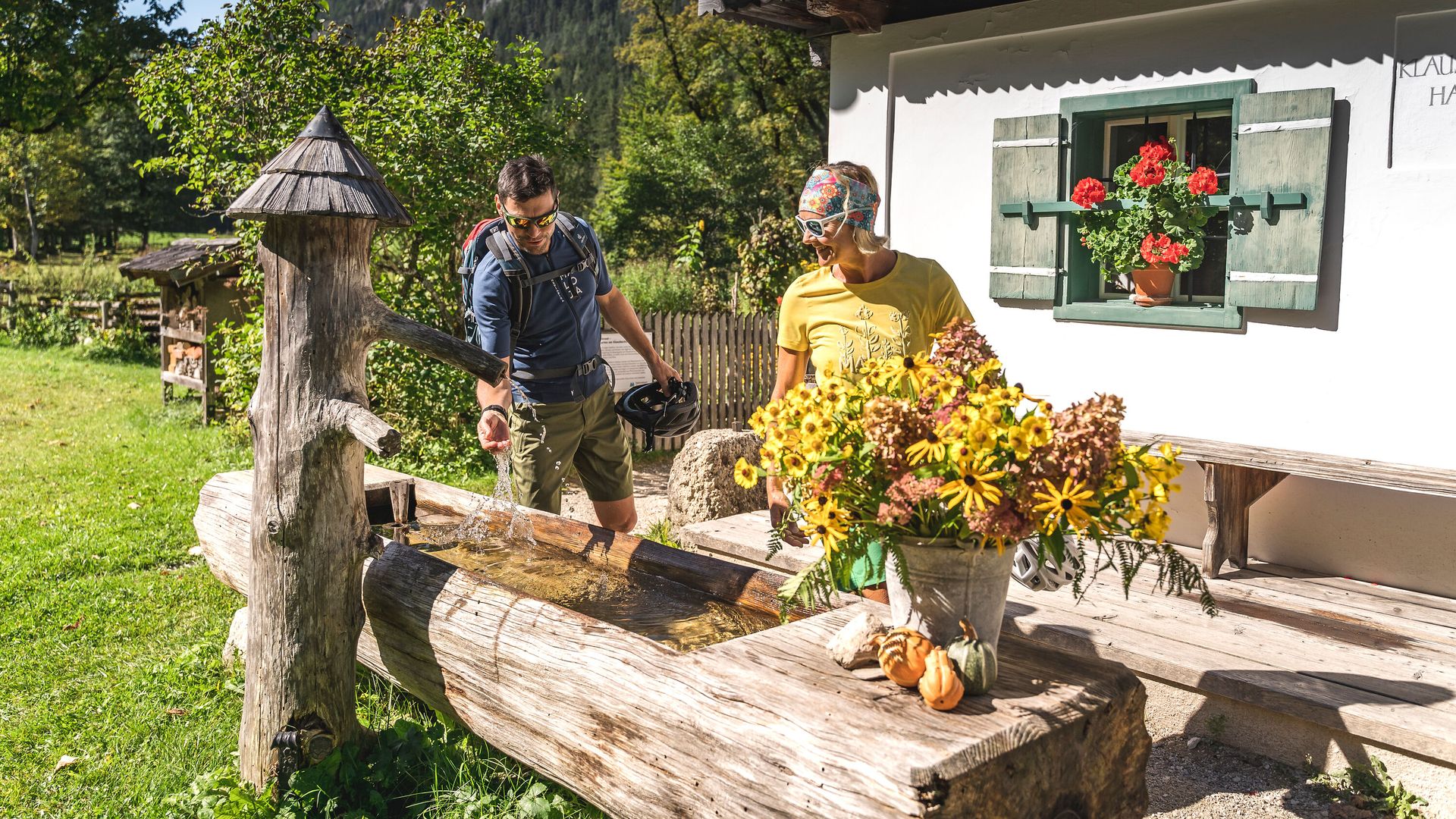
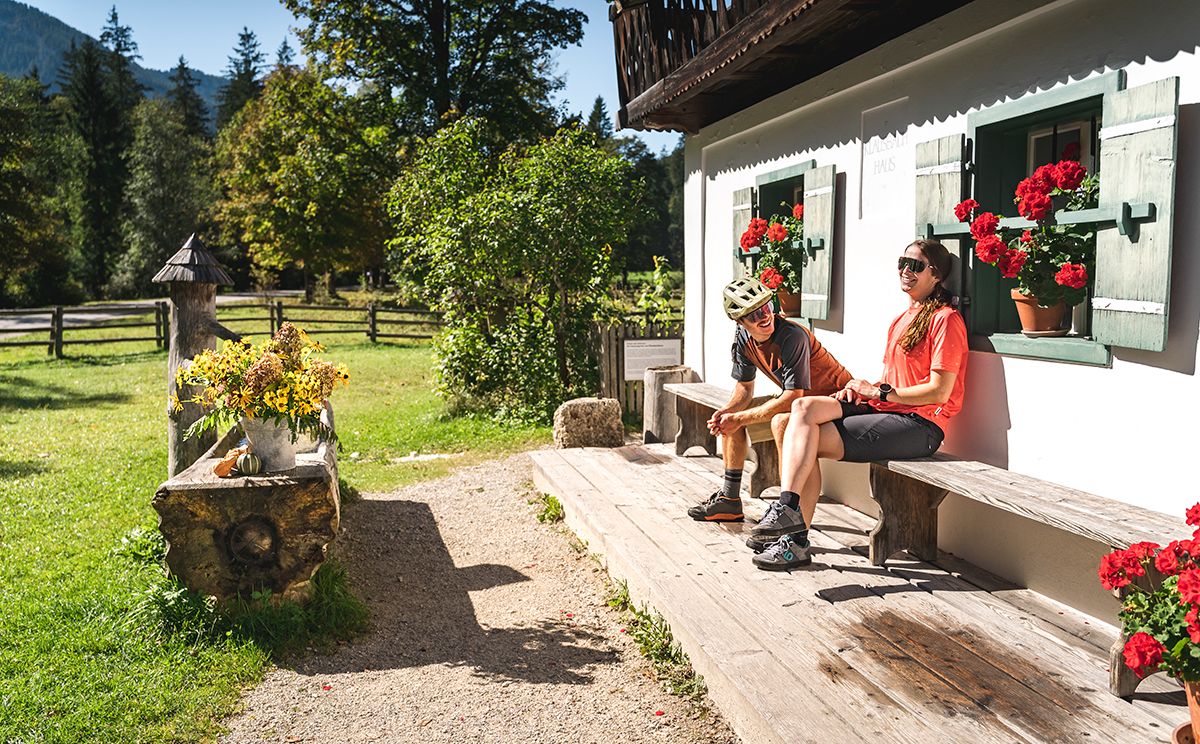
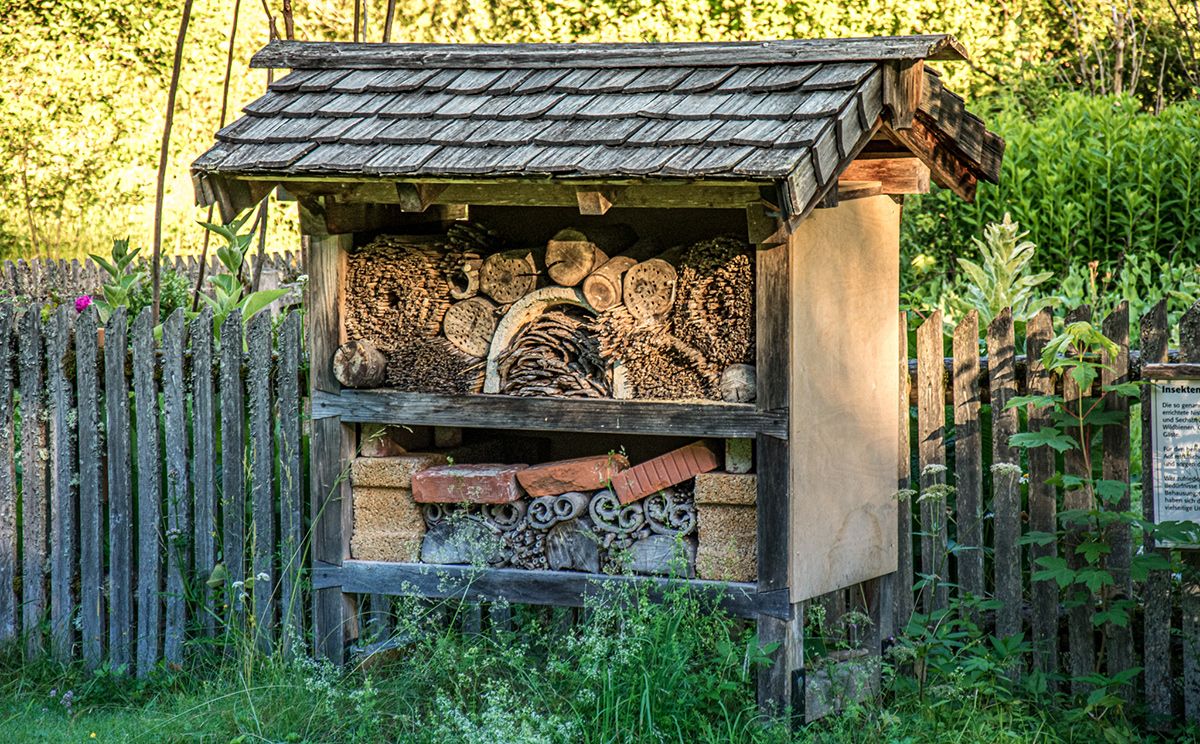
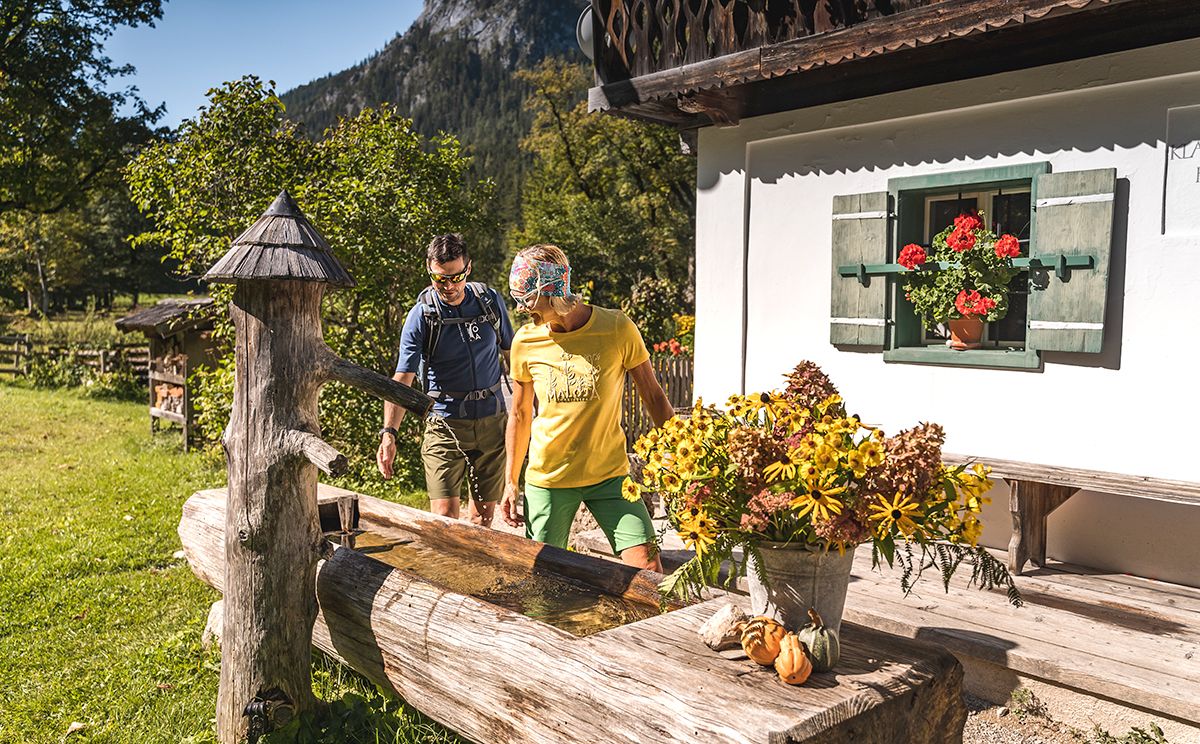
On the grounds of Klausbachhaus, you’ll also find a traditional farm garden and a sensory garden with a barefoot trail, sound stations, and much more.
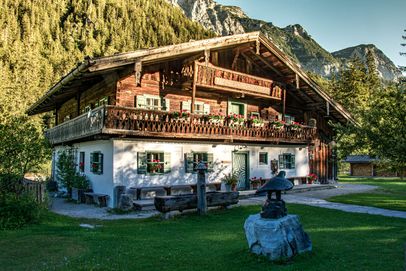
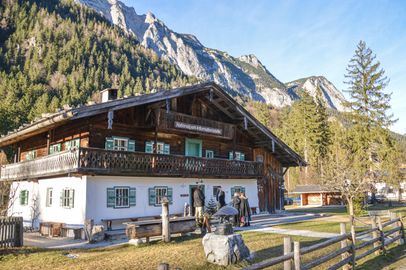
Klausbachhaus is the ideal starting point for numerous hikes in the national park. An accessible loop trail also begins here. The Klausbachhaus itself is not accessible; you’ll find an accessible restroom in the garden of the information center.
Starting point for hikes into the valley of the eagles and vultures
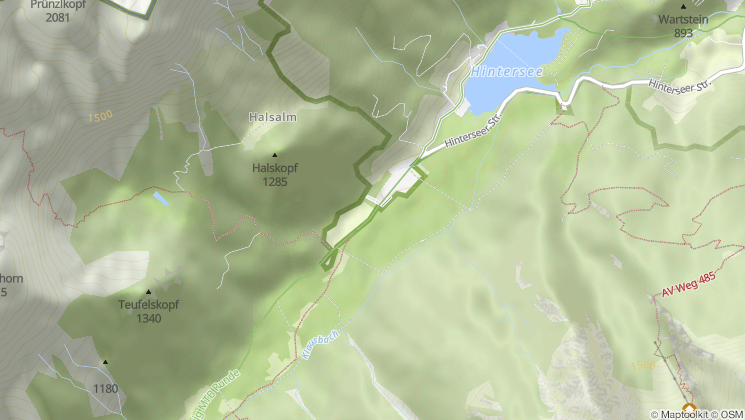
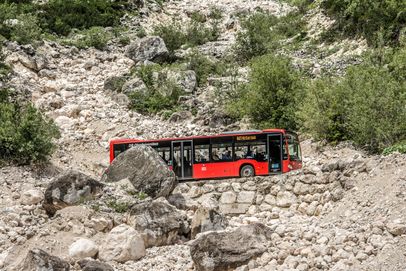
You can set out on numerous hikes from the Klausbachhaus. Mountain bike routes lead from here to the Litzlalm or Kallbrunnalm. You can hike to the Bindalm and the Ragertalm from here. The ALMErlebnisBUS also departs from here and takes you to Hirschbichl and on to the mountaineering village of Weißbach across the Austrian border.
No matter how you explore the Klausbachtal valley, be sure to keep looking up. The valley isn’t just home to golden eagles—bearded vultures have also been released into the wild here since 2021.