Wildlife in the National Park

Ibex, eagle, marmot, and bearded vulture

When Berchtesgaden National Park was established in 1978, one of its key goals was to create a safe haven for the endangered wildlife of the Alps. Here, animals thrive in untouched nature—free from human interference. After all, the park’s guiding principle says it all: “Let nature be nature.”

And it shows. Across the rugged landscapes around Königssee and the Watzmann, wildlife has reclaimed its place—right where it belongs.
Bearded vulture reintroduction

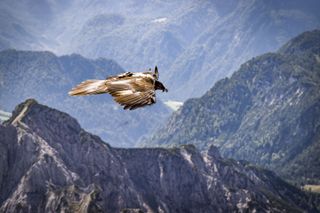
Since 2021, ten bearded vultures have been released back into the wild of the National Park. More than 140 years after humans wiped them out, these endangered giants are once again soaring above the German Alps.

This joint project aims to strengthen the Central European alpine population of this rare bird—and, above all, to reintroduce it to the Eastern Alps.

Überflug eines Bartgeiers
Weyrichfoto | Hansruedi Weyrich

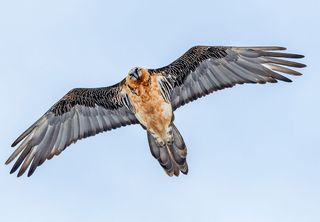
The bearded vulture

With a wingspan even larger than an eagle’s, the bearded vulture is one of the most impressive birds in the Alps. Once feared as a threat to humans, it was relentlessly hunted—pushing the species to the brink of extinction.

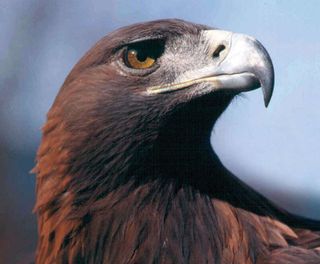
Steinadler

The golden eagle

Once widespread across Europe, the golden eagle was relentlessly hunted and driven out of much of its range. Today, it survives only in a few remote mountain regions—one of them the Berchtesgaden Alps.

Here in Berchtesgaden National Park, the golden eagle has found a protected territory once again.

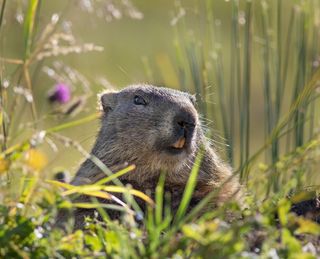
Mankei: das Alpenmurmeltier

The marmot

Known locally as the “Mankei,” the Alpine marmot is the largest rodent in the Berchtesgaden Alps. It survives its six-to seven-month hibernation entirely on its own fat reserves—allowing it to thrive even in the harsh, high-altitude terrain.

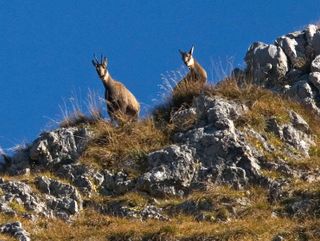
Gämse

The chamois

The chamois—known locally as “Gams”—is one of the most iconic wild animals of the Berchtesgaden Alps. Unlike deer, it doesn’t shed its horns in winter. Instead, it subtly changes the color of its coat with the seasons—something you’ll hardly notice unless you know exactly what to look for.

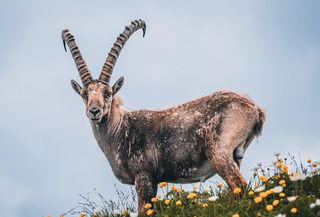
Steinbock

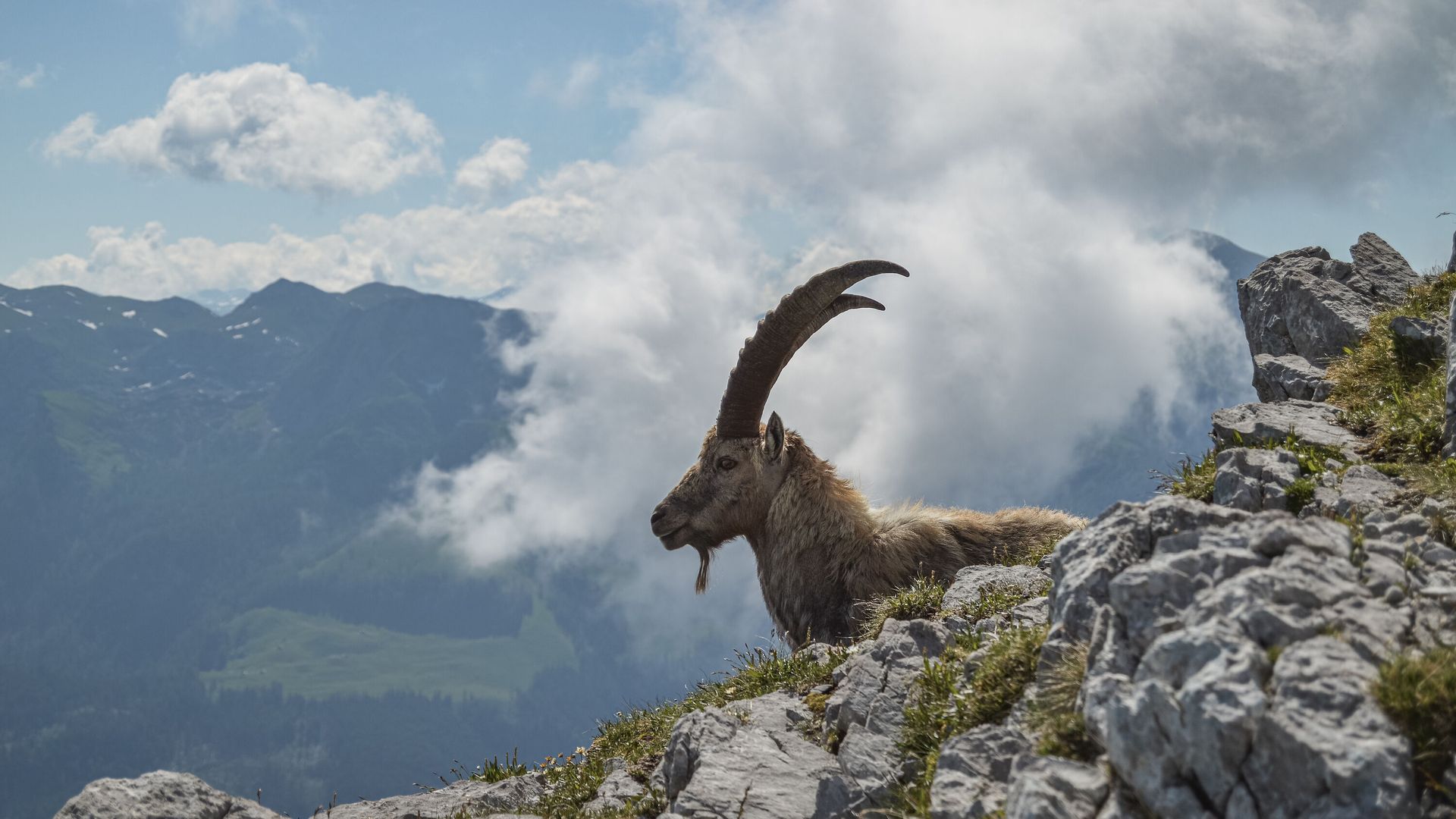
The ibex

The ibex is a master of steep terrain—sure-footed and fearless on even the most rugged rock faces. After being hunted to extinction by the late Middle Ages, it was reintroduced to the Berchtesgaden mountains in the 1930s for hunting purposes.

Today, its striking, backward-curving horns—reaching up to one meter in length—make it one of the most impressive sights in the alpine world.