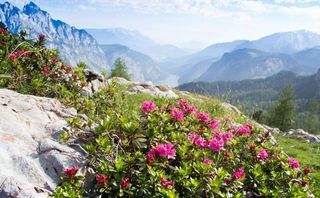
Am Kahlersberg wächst der Almrausch im kräftigen Rosa

Plants in the National Park

Alpine rose, gentian, and edelweiss

Much of Berchtesgaden National Park is covered in forest, providing vital habitat for a rich variety of plant and animal life. Here, nature is left to thrive on its own. In the park’s core zone, rare plants grow undisturbed by human influence.

Fallen trees are left where they lie, creating valuable deadwood habitats that support insects and new plant life—an essential part of this untouched natural cycle.

Hans Maltan - Berchtesgaden National Park

Look, don’t pick—removing plants is strictly prohibited in Berchtesgaden National Park!

Edelweiß: Alpenblume im Nationalpark Berchtesgaden

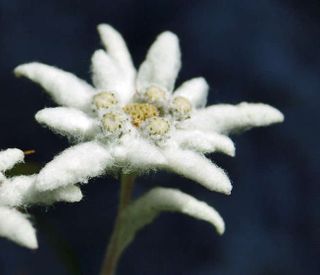
Edelweiss

Edelweiss is known for its soft, velvety white petals. Fine hairs protect the flower from intense sunlight and help the leaves retain moisture at high elevations. From July to September, it often grows hidden among rocky slopes and steep alpine terrain.

Almrausch am Feldkogel

Alpine rose

The evergreen alpine rose bush, with its sturdy branches and dense twigs, grows to a height of 20 centimeters to one meter. The short-stemmed leaves grow up to three centimeters long and 1.5 centimeters wide. They are usually narrow-elliptical in shape. The leaf margins range from finely serrated to entire. What stands out most, though, is their distinct fringe of tiny hairs, hence the name “Ciliate Alpine Rose.”

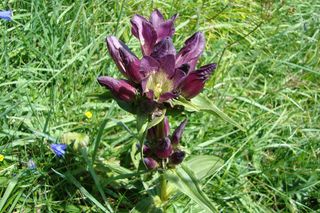
Der Ungarische Enzian

Hungarian gentian

Its robust roots are used to distill a traditional schnapps that’s especially cherished throughout the region.