plenk.MEDIA

Mount Watzmann

Mighty. Towering. Steeped in legend.

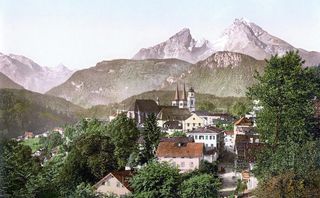
Watzmann is the defining massif of the Berchtesgaden Alps—and the unmistakable symbol of the region, rising high above the Berchtesgaden valley. It’s not just its height of 2,713 meters, but above all its extraordinary shape that has made it so famous. According to a survey by Bergsteiger magazine, Watzmann was even named the most beautiful mountain in the world.

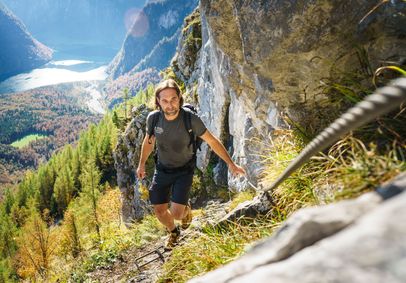
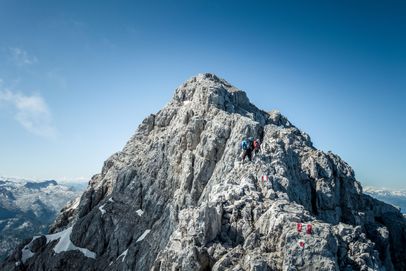
Whether you’re hiking or mountaineering, the Watzmann massif offers routes for every level—from easy hikes like the trail up Grünstein to demanding high-alpine adventures such as the Watzmann traverse.
Das Watzmannhaus
Mountain hut

Watzmannhaus

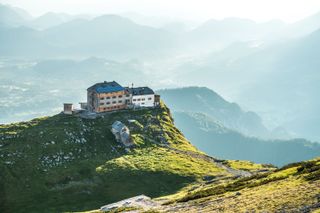
Just below Hocheck, one of Watzmann’s three main summits, sits Watzmannhaus—perched at 1,930 meters in the heart of Berchtesgaden National Park. Operated by the German Alpine Club (DAV), Munich section, it’s one of the largest huts in the Berchtesgaden Alps, with more than 200 beds—and one of the most visited DAV huts overall.

Der Watzmann in einer Zeichnung um 1900
Legend

The Watzmann legend

Watzmann is more than just the symbol of Berchtesgaden—it’s steeped in myths and legends. Even today, the peaks of the massif are seen as a family: Watzmann itself, whose Mittelspitze rises to 2,713 meters and is the highest peak entirely within Germany, stands alongside Kleiner Watzmann (little Watzmann), also known as Watzmannfrau (Watzmann woman). Between them lie the smaller peaks of the Watzmannkinder—the Watzmann children.

According to legend, there were once seven children—but only five can still be recognized as distinct peaks today.