Day 1: Climb from Königssee to Watzmannhaus
You can reach Königssee easily and comfortably by bus and train. Leave the bustle of the lakeshore behind and head uphill to the starting ramp of the famous bobsled and luge track, where German luge legend Schorsch Hackl made history. From here, briefly follow Klingerbachgraben to the trail junction.
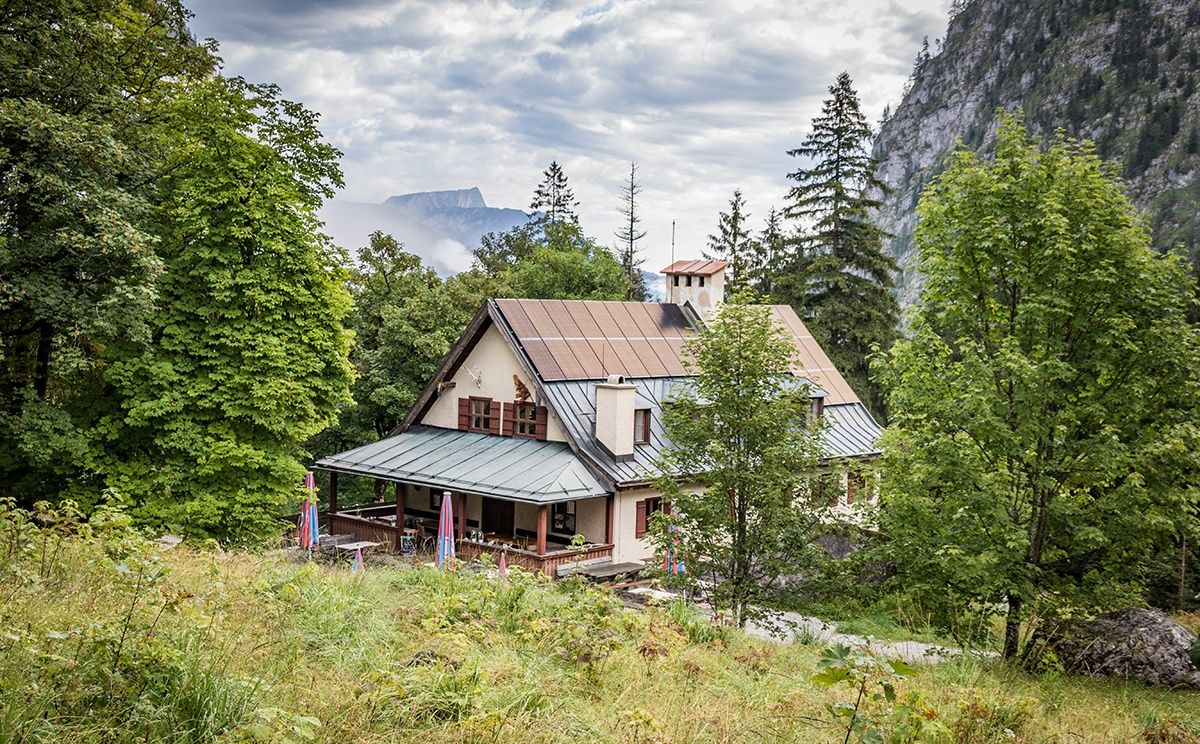
If you’re short on time, you can head straight to Kührointalm. The more scenic route, however, takes you via Grünstein. Climb steeply through the rocky slopes of Weiße Wand to Grünsteinhütte, then continue for another 15 minutes to the summit of Grünstein, a magnificent viewpoint overlooking the Berchtesgaden valley. The trail to Kührointalm branches off just below the hut.
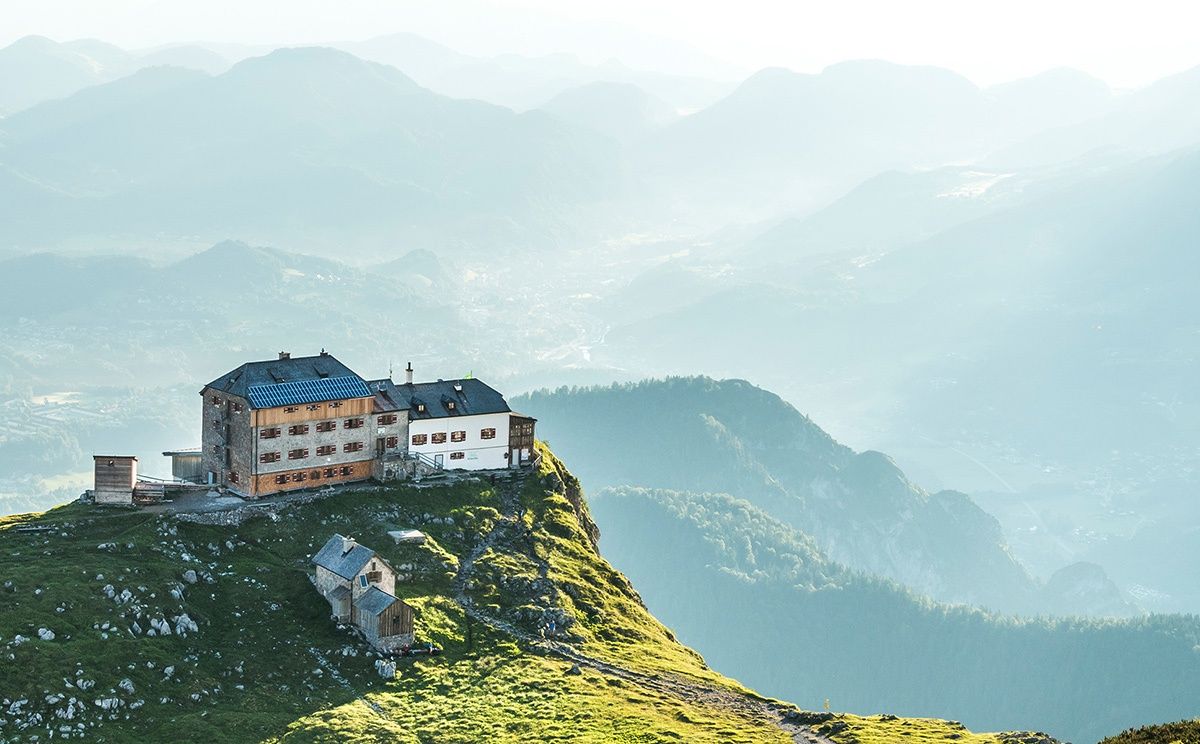
From Kührointalm, the trail initially makes for fairly easy going—with one short section secured by cable—as you continue to Falzalm. From there, switchbacks lead you up the steep slopes of Falzköpfl to Watzmannhaus, which has been in sight for quite some time.
1,320 vertical meters, about 5.5 hours.
Day 2: Watzmann Hocheck to Wimbachgrieshütte
Today, you’re heading for the summit of mighty Watzmann! It’s best to tackle the summit climb with just a light daypack, and a hearty breakfast will give you the energy you need. Then zigzag up the massive slope of Hocheck to the shoulder, passing a rocky section secured with cables. Finally, follow the ridge to the summit and enjoy a well-earned break at the top.
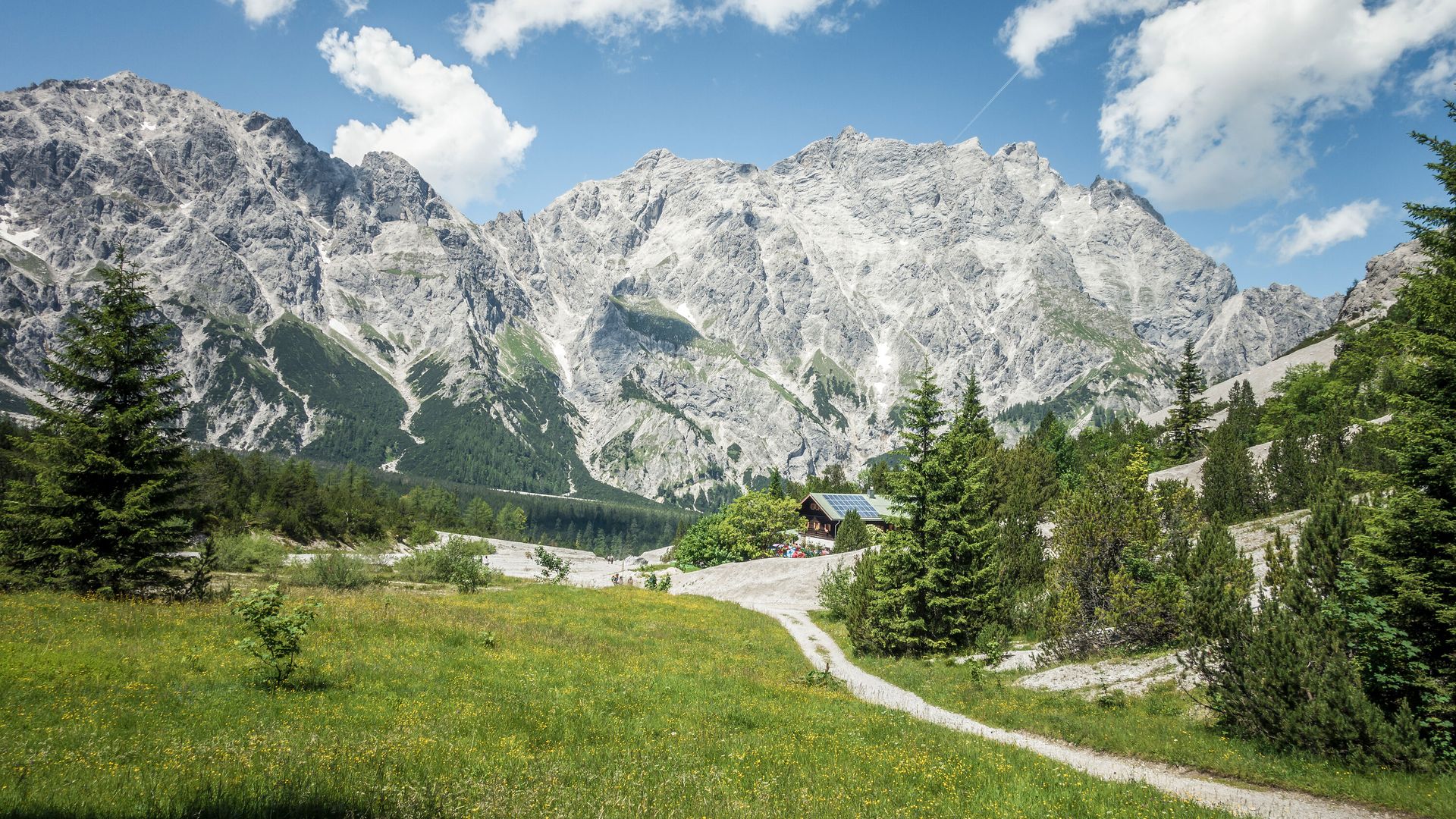
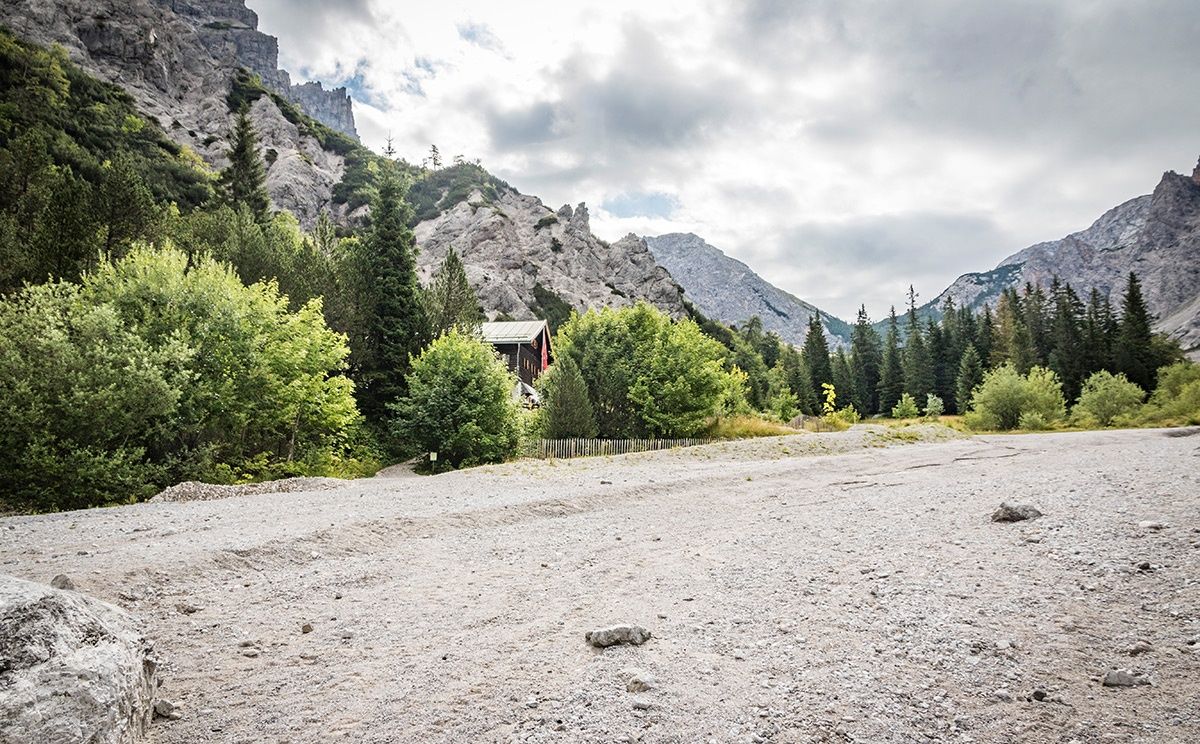
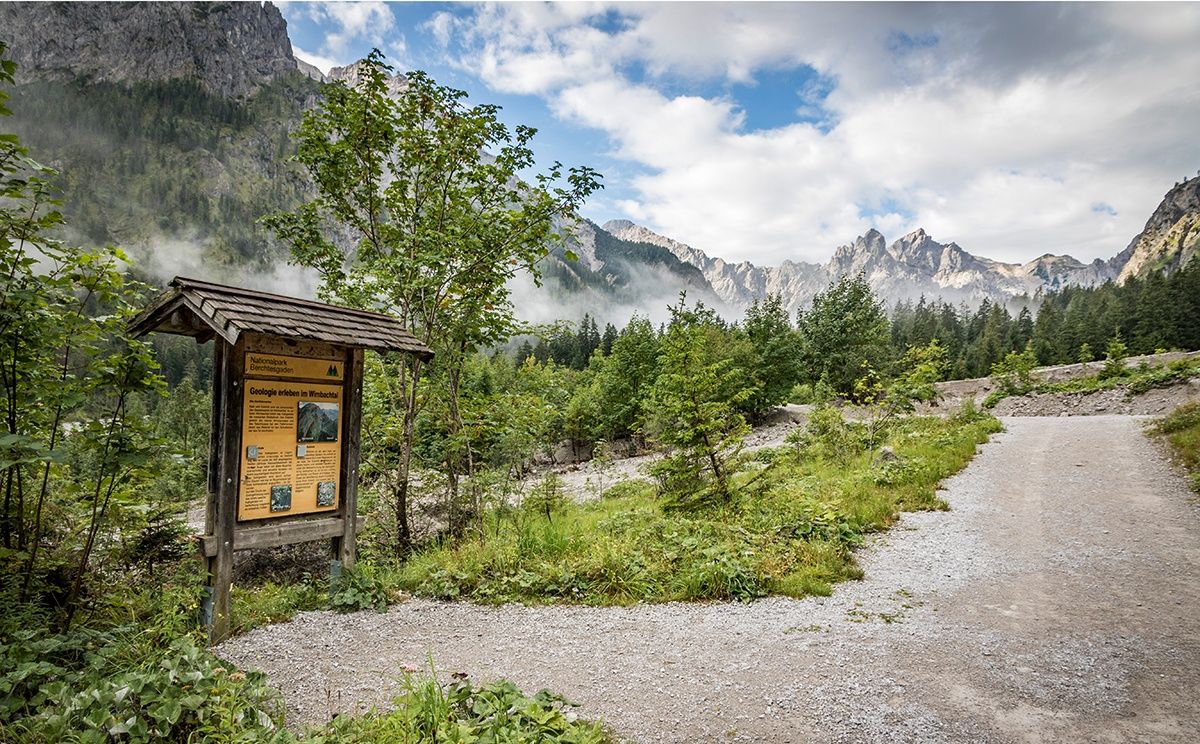
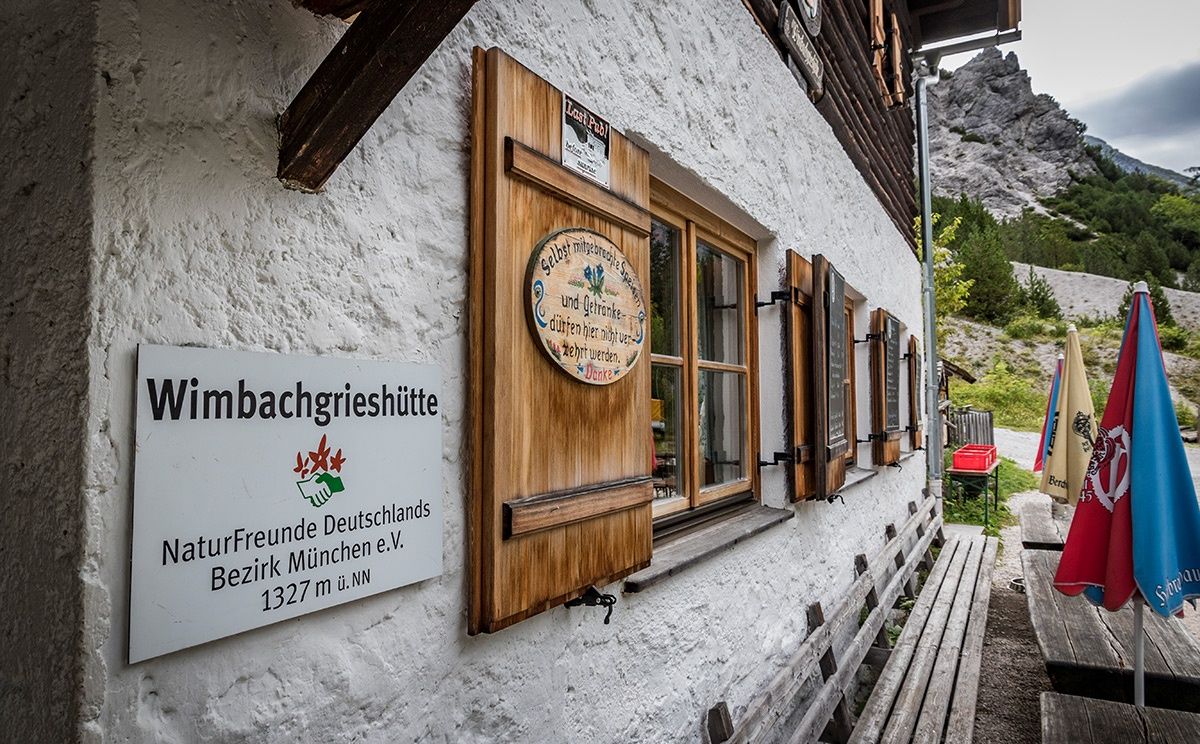
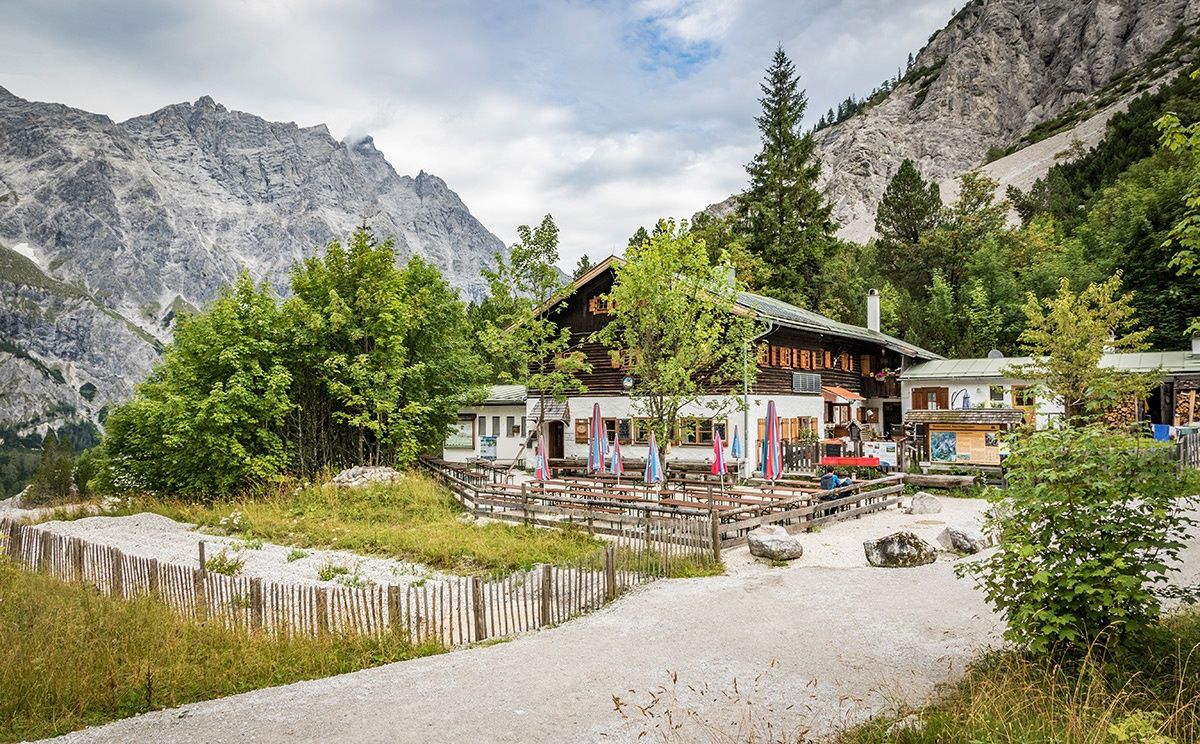
Return to Watzmannhaus along the same route. Once you’ve packed your overnight gear back into your backpack, descend via Falzalm and Mitterkaseralm toward Wimbachbrücke. Farther down, turn into the Wimbachtal valley. Now the trail becomes gentle and almost level as you follow the valley, watching the vast scree fields of Wimbachgries slowly shift downhill—a constantly changing landscape where nature fights for survival. Towering above it all are the magnificent Hochkalter and Watzmann massifs. Eventually, you reach Wimbachgrieshütte, a welcoming haven amid this spectacular world of rock.
1,380 vertical meters uphill, 1,980 vertical meters downhill, 8–10 hours.
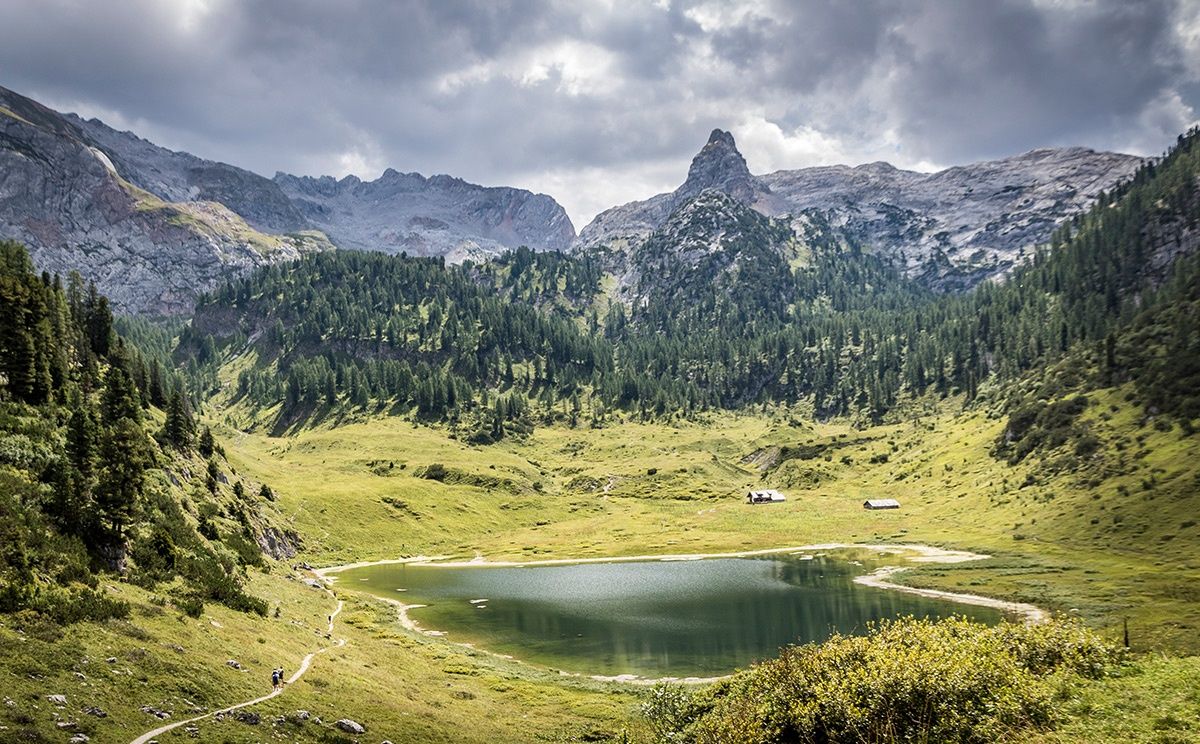
Day 3: From Wimbachgrieshütte to Funtensee
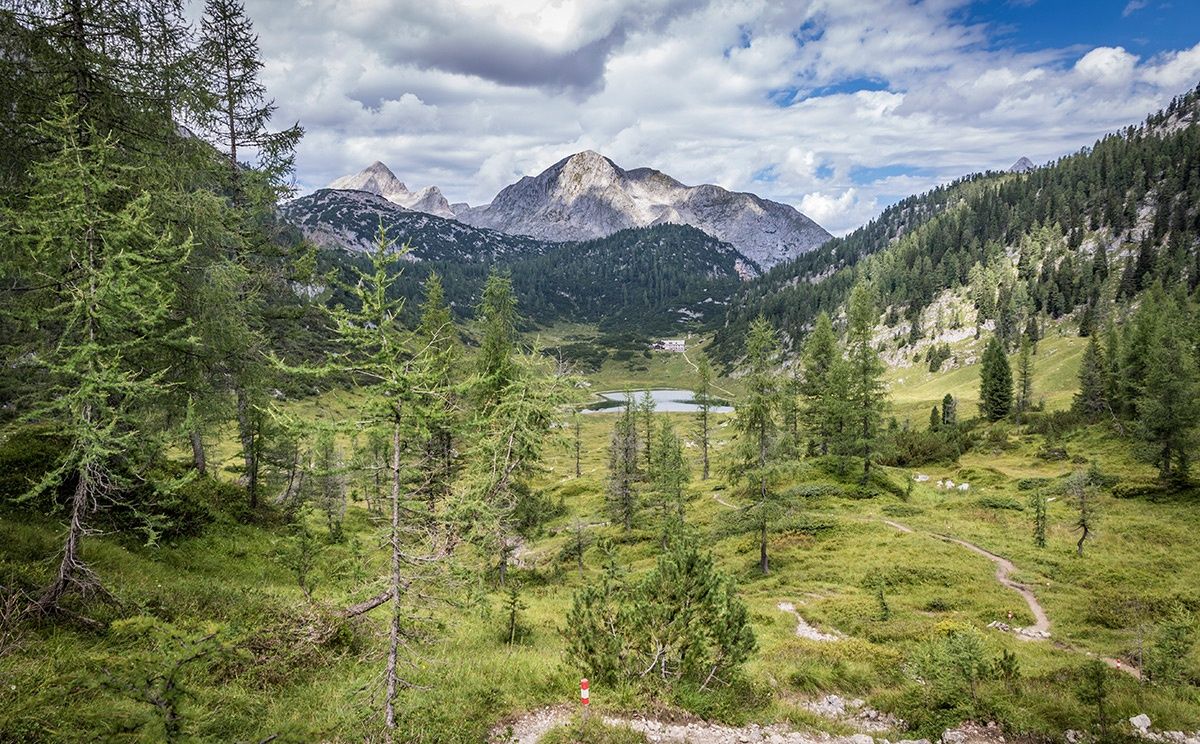
Well rested and fueled by a hearty breakfast—perhaps enjoyed outside Wimbachgrieshütte in the morning sun—you follow Wimbachgries to the head of the valley. The trail now climbs much more steeply to Trischübelalm. Continue uphill for a while before descending again to the spring below Graskopf. From there, climb through Hundstodgrube to Hundstodgatterl. The trail then winds beneath the steep eastern slopes of Hundstod until the view opens up to the south once again.
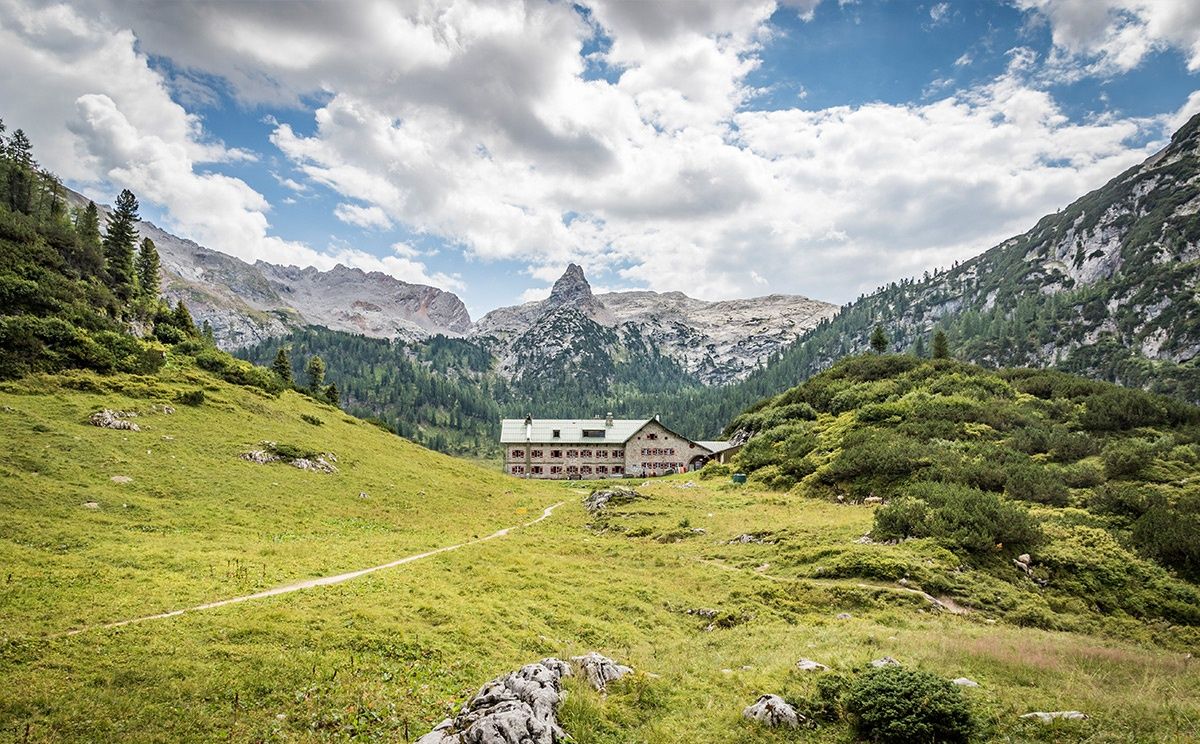
Soon Ingolstädterhaus comes into view, but at the junction you turn left toward Kärlingerhaus. The trail now follows the edge of the karst plateau of Steinernes Meer. There are no major elevation changes, but the route continues in a steady series of ups and downs before finally descending to beautifully situated Kärlingerhaus at Funtensee.
1,000 vertical meters uphill, 700 vertical meters downhill, 5–7 hours.
Day 4: Descent to Königssee
Today, you say goodbye to Steinernes Meer and descend to Königssee. After a restful night and a hearty breakfast, the trail first climbs before descending to the top of Saugasse, a narrow, steep-sided ravine. But don’t worry: well-maintained, gently graded switchbacks make the descent surprisingly manageable. It’s the towering rock walls surrounding you that will truly take your breath away.
At the bottom of Saugasse, you enter an enchanting forest, where ancient trees line the trail toward Königssee. Then comes the final highlight of your four-day adventure: a beautiful hike along the lakeshore to St. Bartholomä, with its famous Baroque church and welcoming restaurant. From here, take the boat back across Königssee and continue to the bus stop in Königssee village.
50 vertical meters uphill, 1,080 vertical meters downhill, 3 hours.