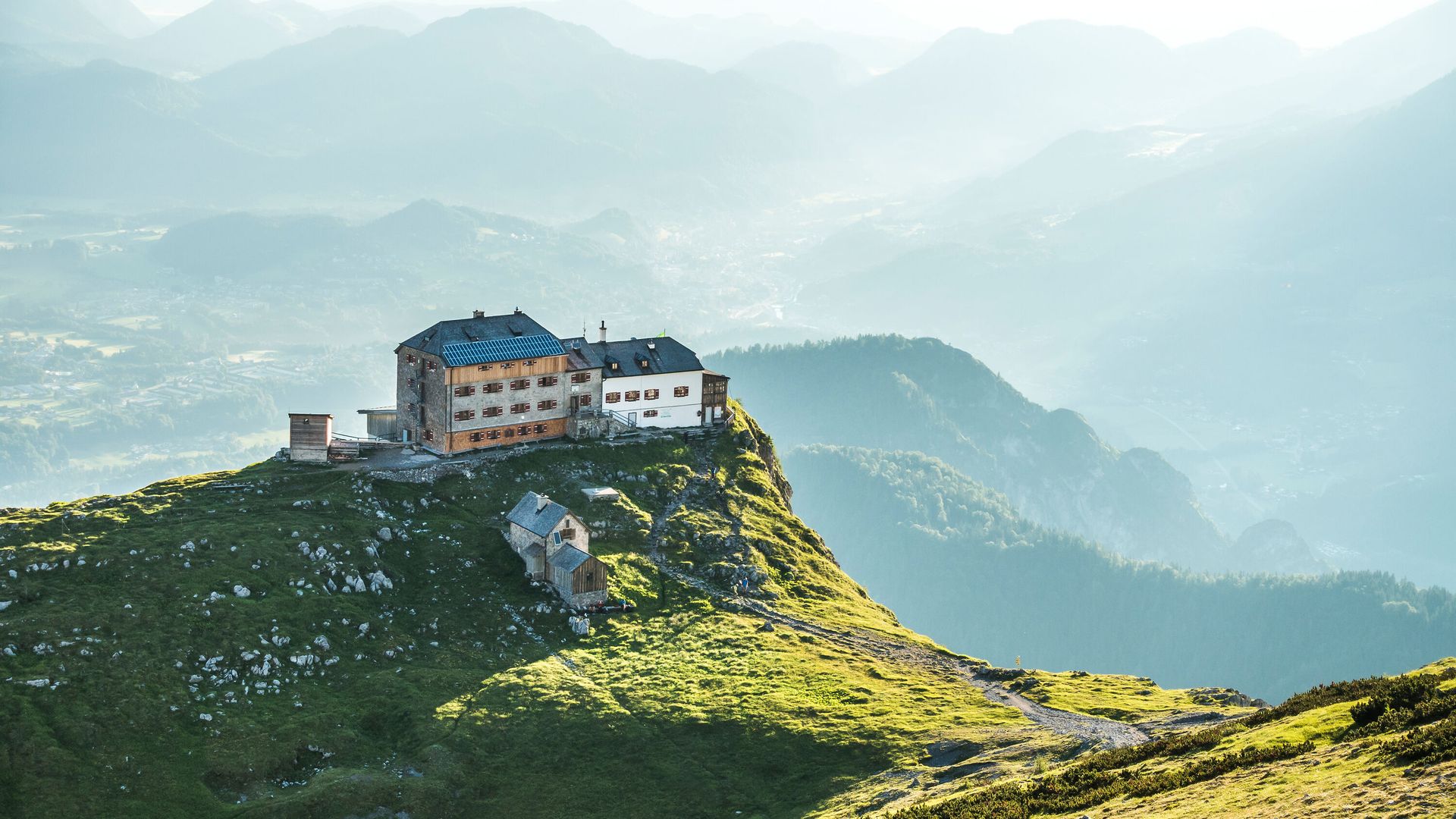
Das Watzmannhaus

Alpine pastures & mountain huts

Tradition and rustic charm

In Berchtesgaden, alpine farming is still very much alive. Many alpine pasture huts—known locally as “Kaser”—are run the traditional way, just as they have been for generations. In addition, as the Alps became increasingly accessible as a high-alpine destination in the mid-19th century, the first mountain huts and shelters were built by alpine clubs.

Today, you’ll find these mountain huts across all ranges of the Berchtesgaden Alps, offering you a place to rest, refuel, and stay overnight during your mountain hikes.

Alongside these classic huts, the region is also home to plenty of smaller alpine cabins and mountain restaurants without overnight accommodations. Just across the border in Austria, you’ll hear them called “Jausenstationen”—places to pause, refuel, and soak in the mountain atmosphere.

  • Das Purtschellerhaus
    Ferdinand Dorsch

    Mountain huts

    Your night in the mountains
  • Mountain restaurants

    Savor the moment, take in the view
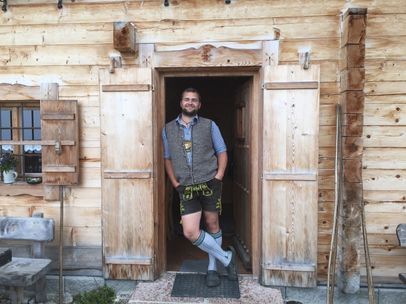
  • Senner Markus Nitzinger auf der Wasserfall-Alm

    Alpine pasture huts

    Living tradition in the mountains

Traditional alpine pastures in Berchtesgaden

For centuries, the Berchtesgaden Alps and the mountains of the Rupertiwinkel have been shaped by alpine pastures—the grazing grounds of mountain farmers. And to this day, many of these alpine pasture huts, known as “Kaser”, are still run in the traditional way. That means:

  • A herdswoman or herdsman tends to the livestock and makes butter and cheese right on the mountain—there’s no additional staff.
  • You’re served what’s produced on-site: fresh milk, butter, Schüsselkäse cheese, or a simple cheese or bacon sandwich.
  • Service is only available while the cattle are on the pasture—typically from mid-June through the end of September.
  • The huts remain as they’ve always been, without extensions or added seating.
  • You reach the pasture on foot—no cars, no deliveries.
  • And you won’t find advertising here.