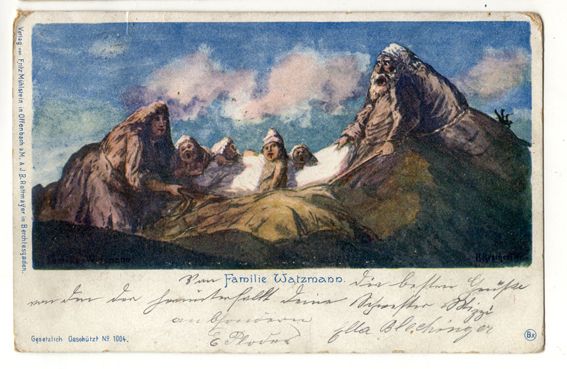
Der Watzmann in einer Zeichnung um 1900

The Watzmann legend

Watzmann—the legendary symbol of Berchtesgaden

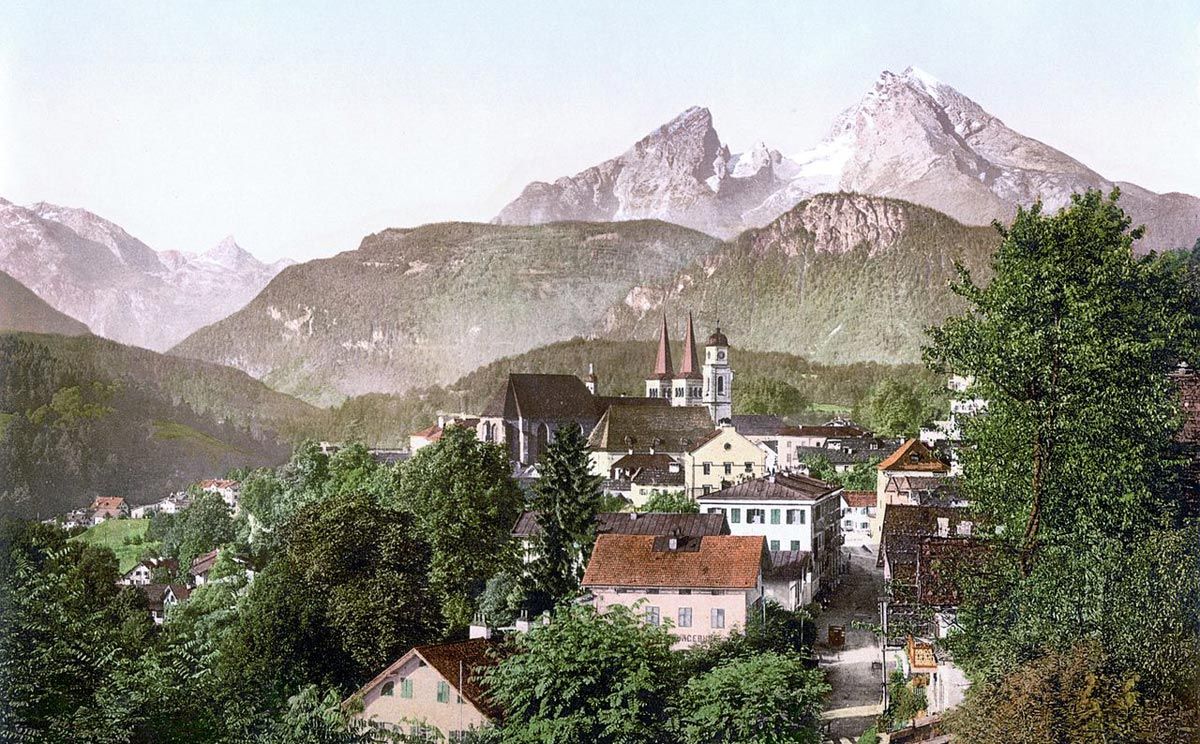
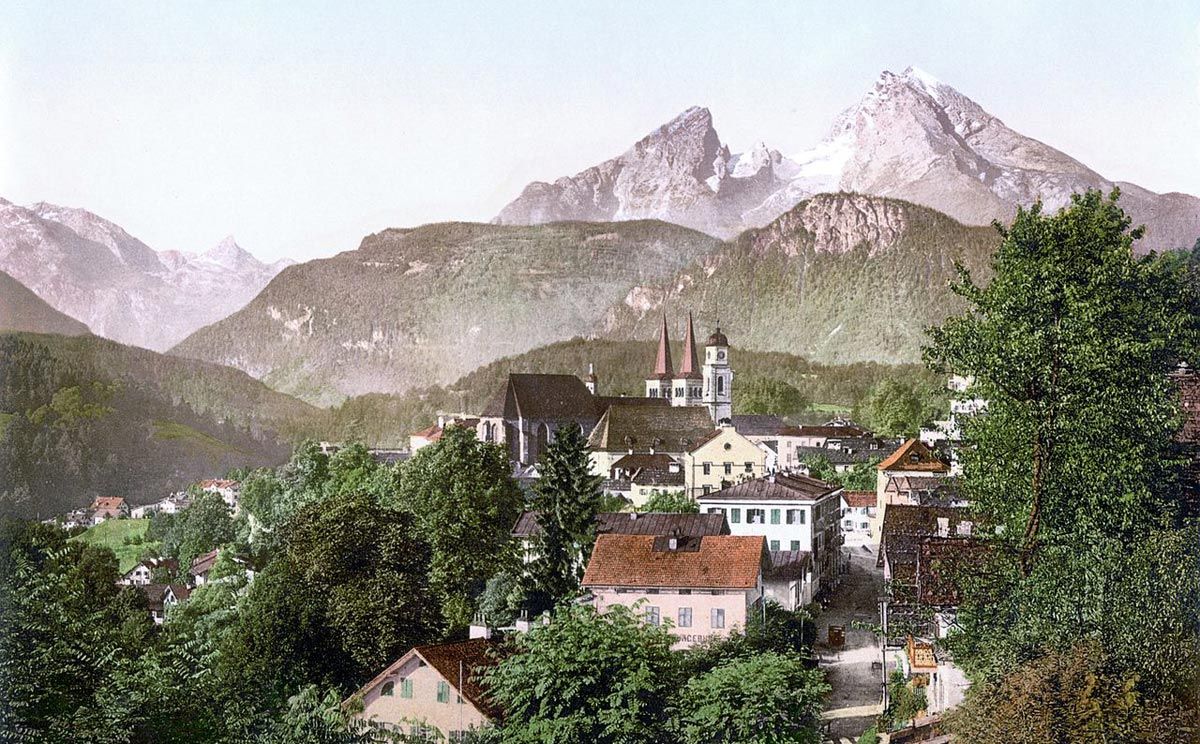
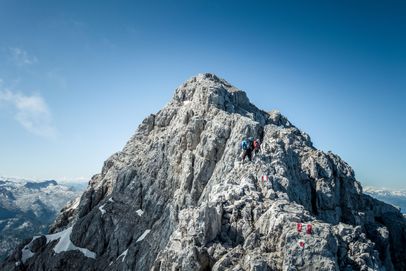
Watzmann is more than just the symbol of Berchtesgaden—it’s steeped in myths and legends. Even today, the peaks of the massif are seen as a family: Watzmann itself, whose Mittelspitze rises to 2,713 meters and is the highest peak entirely within Germany, stands alongside Kleiner Watzmann (little Watzmann), also known as Watzmannfrau (Watzmann woman). Between them lie the smaller peaks of the Watzmannkinder—the Watzmann children.

According to legend, there were once seven children—but only five can still be recognized as distinct peaks today.

The legend of King Watzmann

Southeast of Salzburg, rising high above seven lesser peaks and crowned with eternal snow, a mountain lifts its twin jagged summits into the sky—Watzmann. For generations, people in the region have told this story about its origins.

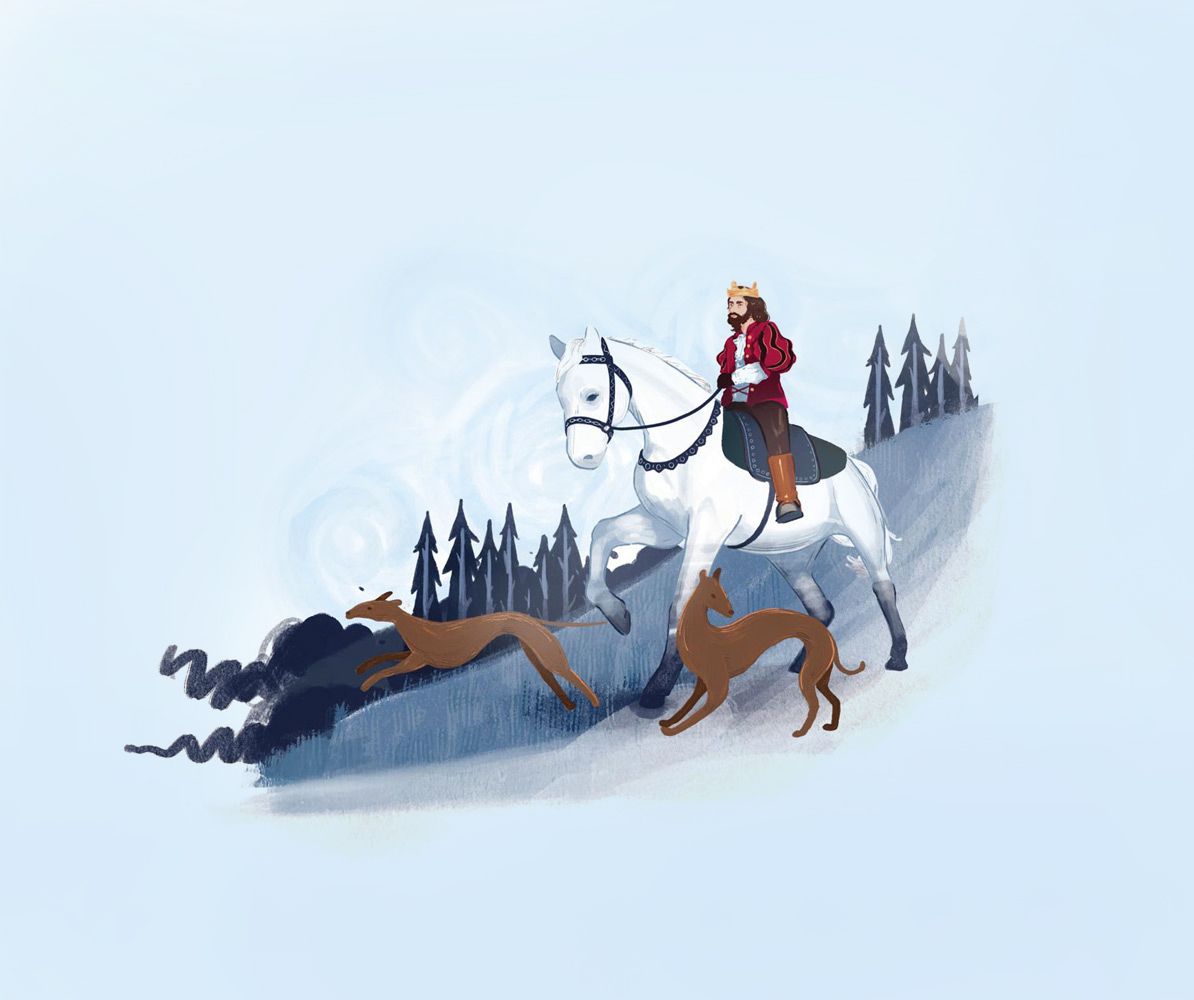
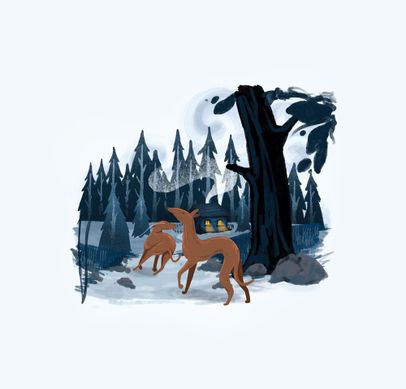
Long ago, in a distant age, a fierce and ruthless king ruled these lands. His name was Watzmann. Cruel beyond measure, he knew neither compassion nor mercy. Only the hunt brought him joy. With the blare of horns and the baying of hounds, he stormed through forests and valleys—accompanied by his equally harsh wife and their children, raised in the same savage spirit. Day and night, his wild hunts tore through the land, chasing game, destroying fields, and crushing the hopes of those who lived from the soil.

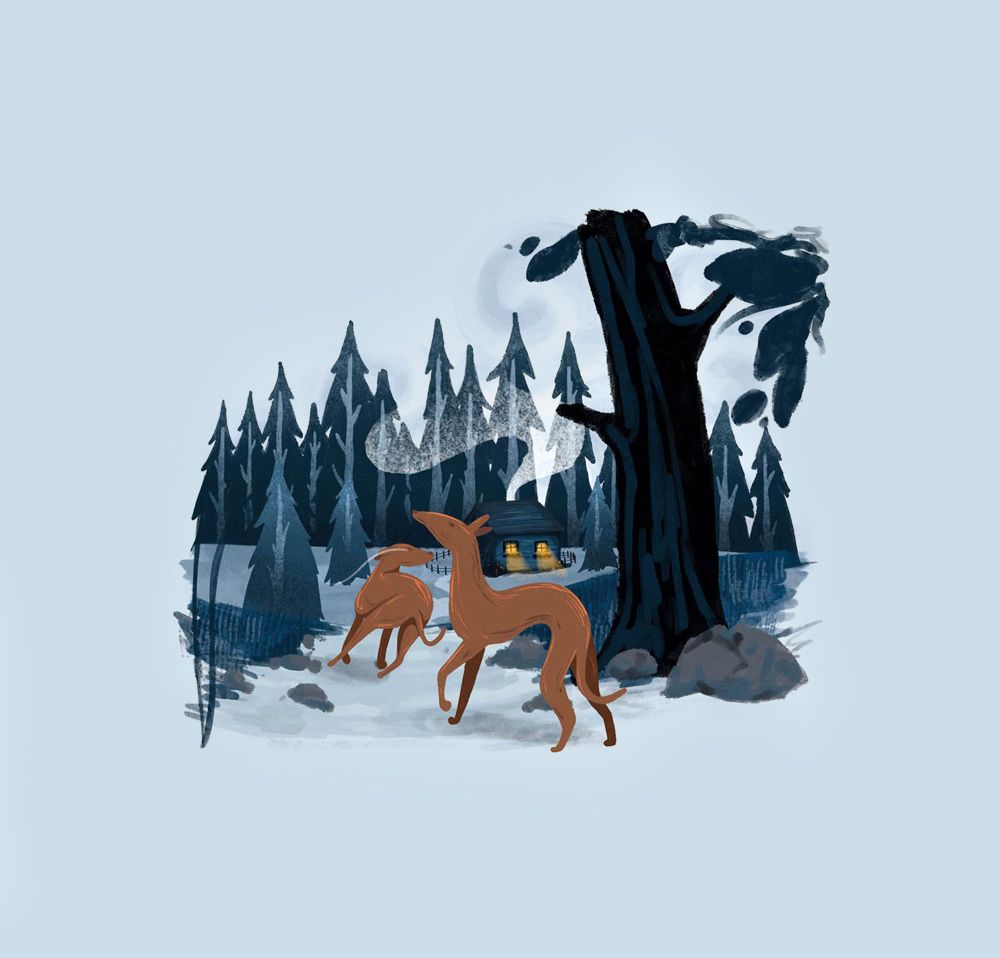
One day, the king and his retinue came upon a quiet forest clearing. A shepherdess sat peacefully before her hut, cradling her sleeping child, while her dog rested at her side and her husband lay inside. Suddenly, the stillness shattered. The hounds rushed forward—killing the dog, attacking the child, and dragging the terrified mother to the ground. When the king arrived and saw the devastation, he did not intervene. He laughed.

Awakened by the chaos, the shepherd rushed from the hut and struck down one of the hounds—the king’s favorite. Enraged, the king unleashed his fury. His men and dogs turned on the shepherd, who held his unconscious wife close, glancing in despair at his lifeless child and then to the heavens. Soon, both fell. With a final cry to God, the shepherd died—and once more, the king rejoiced.

But everything comes to an end, and so did God’s patience.

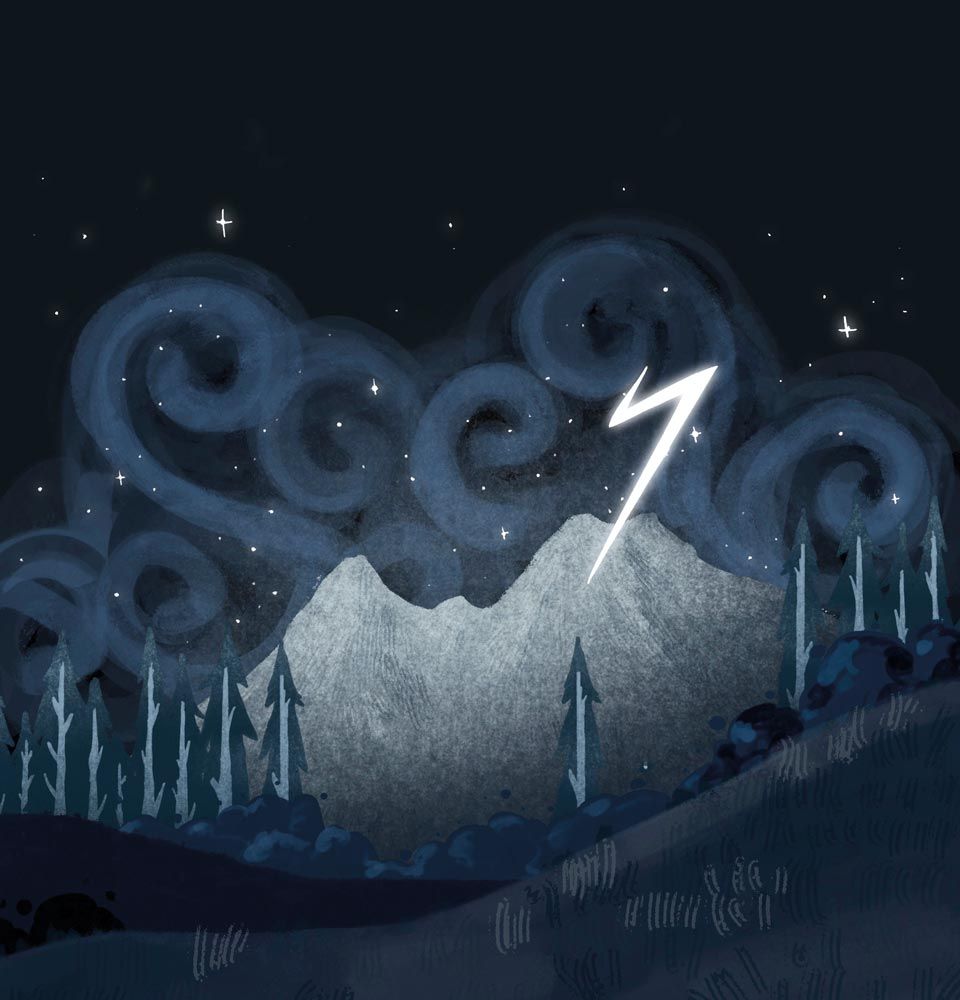
A deep roar rose through the mountains. Thunder echoed through valleys and cliffs, and a force of vengeance seized the king’s own hounds. They turned on him—on the king, his queen, and their seven children—and tore them apart. Their blood flowed down into the valley; and then, in a rage, they hurled themselves from the mountain into the abyss.

From their bodies, mountains rose. And so they remain to this day: King Watzmann, a towering mass of rock and ice; beside him, his wife; and around them, their children—seven jagged peaks. At their feet lie two lakes, said to have been filled with their blood. The larger still bears the name Königssee. And the mountain where the hounds leapt to their death is known as Hundstod–the “dog’s death.”

Thus, King Watzmann and his family received the harshest fate for their cruelty—and their reign came to an end.

Based on: Ludwig Bechstein, Deutsches Sagenbuch

Variations of the Watzmann legend

Different versions of the legend tell of a farming family — or even a herding dog and its flock — falling victim to the king’s brutal hunting pack. In despair, a farmer’s wife cursed the cruel ruler and begged God to turn him and his family to stone. Ever since that curse, King Watzmann has sat enthroned, turned to stone, above the Berchtesgaden valley.

The place where Watz’s dog plunged to its death is now known as the Hundstod, German for dog's death. Another variation of the tale says the blood of the royal family flowed together to form the origins of both Lake Königssee and Lake Obersee.

The Watzmann legend in the works of Ludwig Ganghofer

The famous Bavarian author Ludwig Ganghofer wove the Watzmann myth into his novel Die Martinsklause. For the 2010 National Park Festival, the novel was adapted for the stage and performed to great public acclaim at an open-air theater at Hintersee in Ramsau.

The Watzmann legend received special recognition during the release of bearded vultures in 2022. One of the birds released back into the wild was given the name “Recka” — the name of Watz’s daughter in Ganghofer’s Die Martinsklause. Depending on the version of the legend, his sons bear the following names:

  • Henning
  • Rimiger
  • Eilbert
  • Gerold
  • Sindel
  • Hartwig
  • Otloh

More about King Watzmann

  • Watzmann

    Towering above Berchtesgaden, Watzmann captivates with rugged alpine scenery, legendary stories, challenging hikes and unforgettable mountain panoramas.
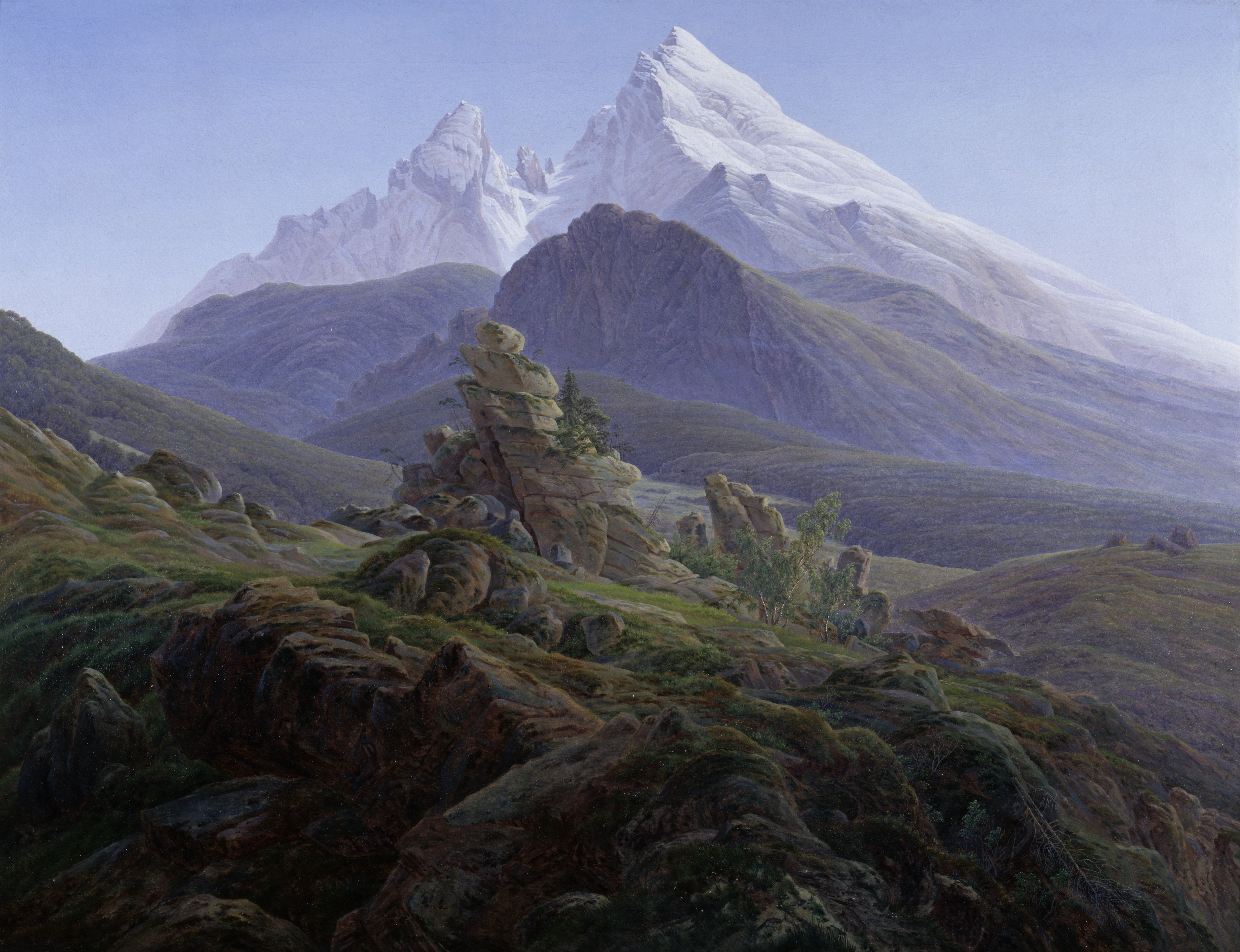
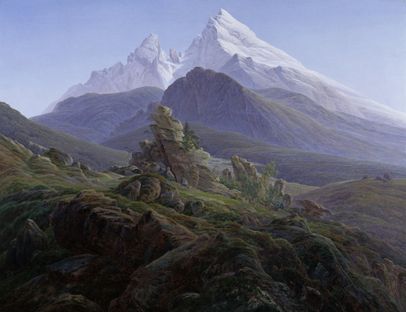
  • Der Watzmann von Caspar David Friedrich, um 1824–1825

    Caspar David Friedrich and Watzmann

    Discover how Watzmann inspired painter Caspar David Friedrich and became one of the most iconic mountain landscapes of German Romanticism.
  • Plenk Media

    Legends of Berchtesgaden

    From the legends of Watzmann and Untersberg to mystical mountain tales and ancient folklore, Berchtesgaden is shaped by Alpine myths and stories.