

Schwarzbachalm
Lower alpine pasture at Wachterl- am Wachterl
- 750m
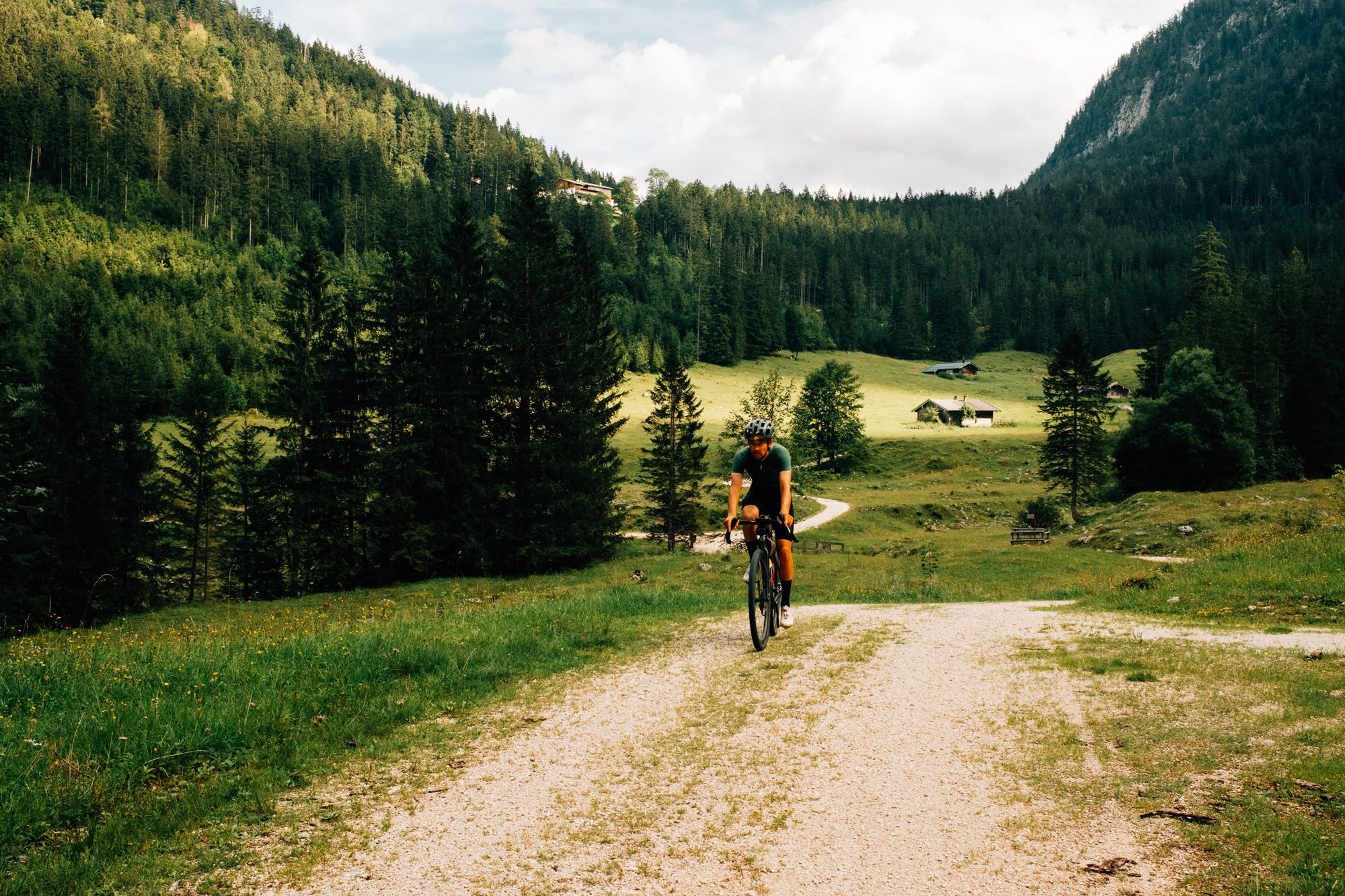
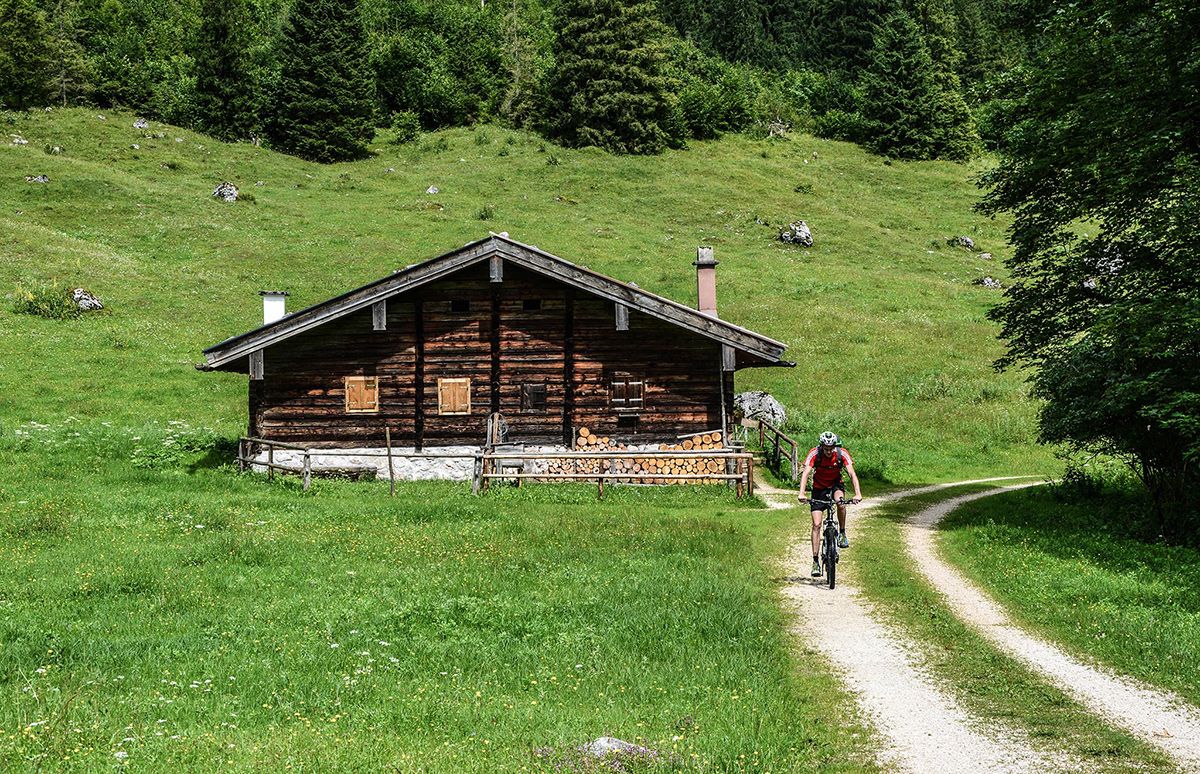
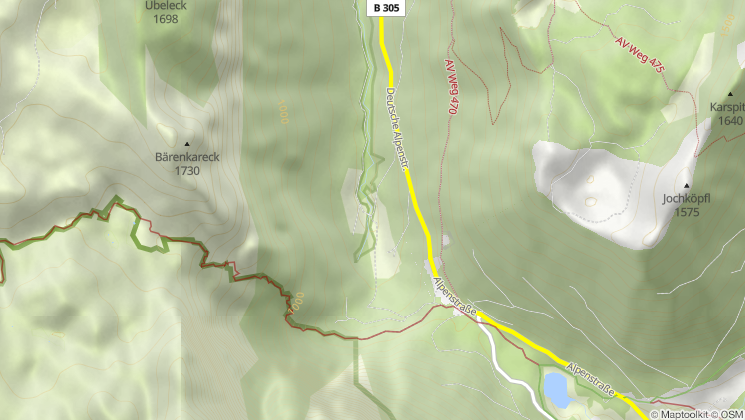
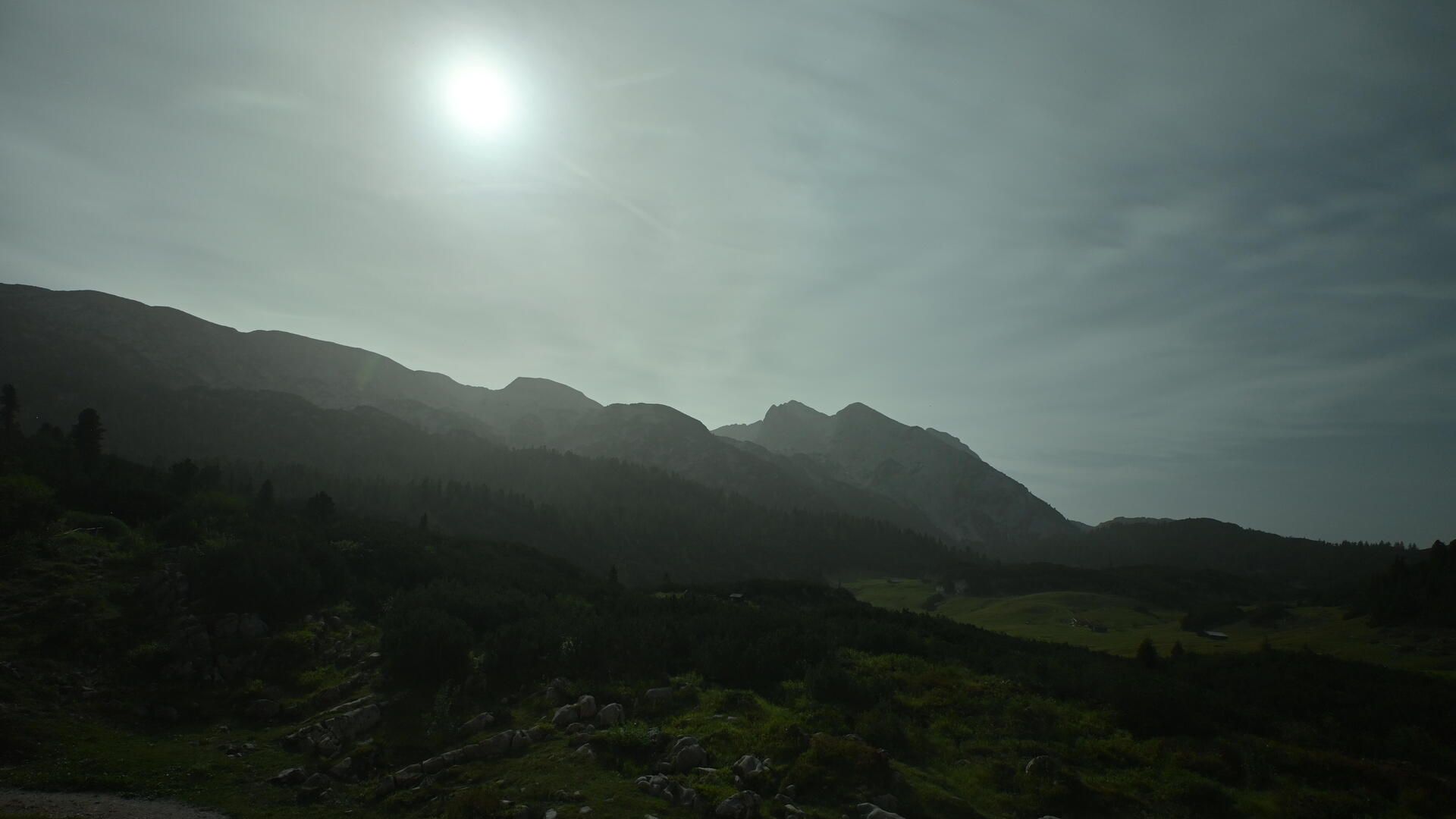
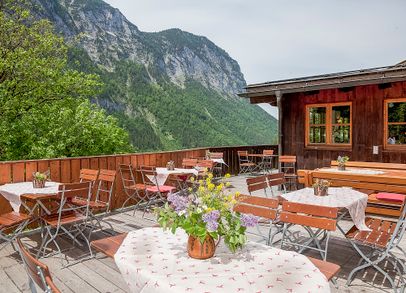
Located just below Wirtshaus Wachterl on the Deutsche Alpenstraße in the mountaineering village of Ramsau, Schwarzbachalm serves as the lower alpine pasture for several farming families from the neighboring communities of Ramsau, Bischofswiesen, and Schneizlreuth.
Alpine farming in spring and fall
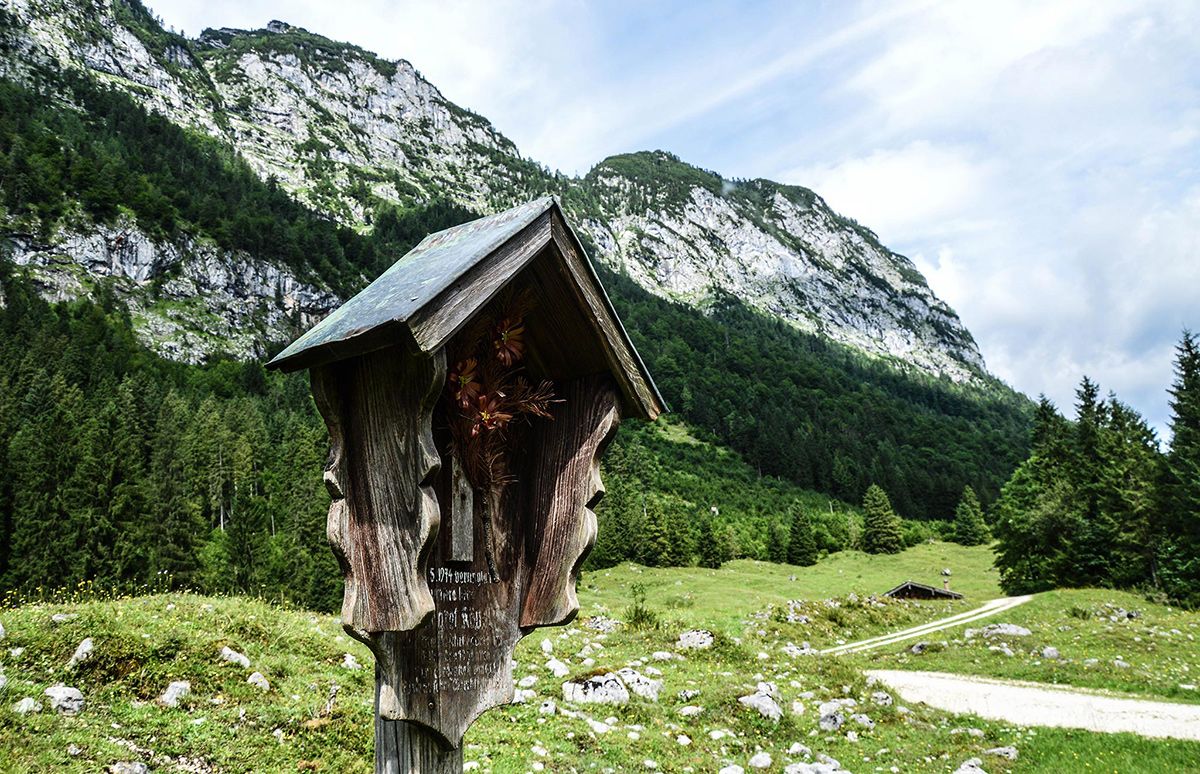
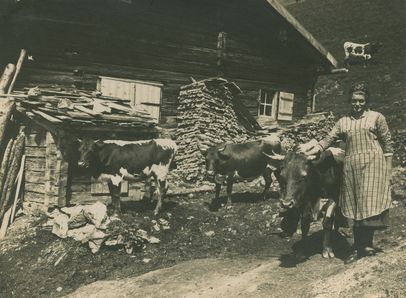
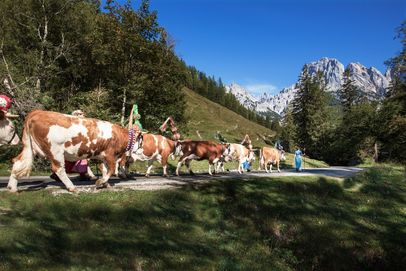
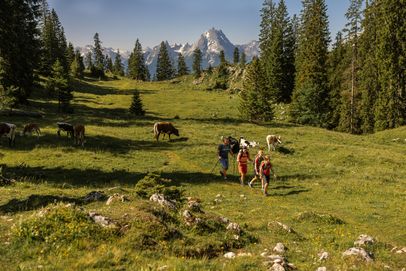
Just below Wachterl—the former mountain pass and the historic Wachterl restaurant on the border between Ramsau and Schneizlreuth—you'll find Schwarzbachalm. It serves as the lower alpine pasture for several local farmers. In early summer, their cattle graze here for a few weeks before moving up to the high alpine pastures of Moosenalm and Anthauptenalm in the Lattengebirge, or to Bindalm and Kallbrunnalm. In the fall, the animals return to Schwarzbachalm for a few more weeks before the traditional cattle drive back to their home farms.
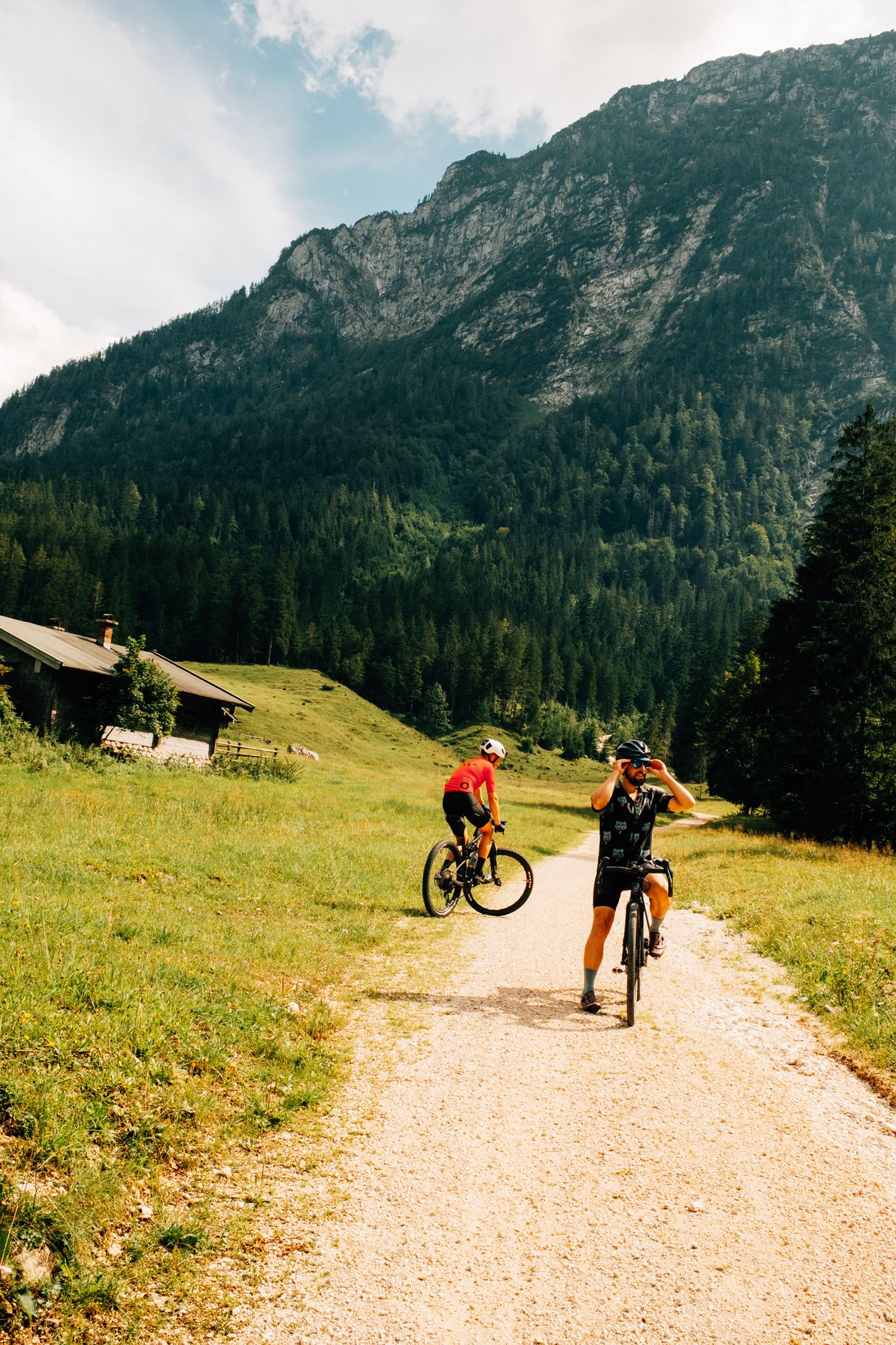
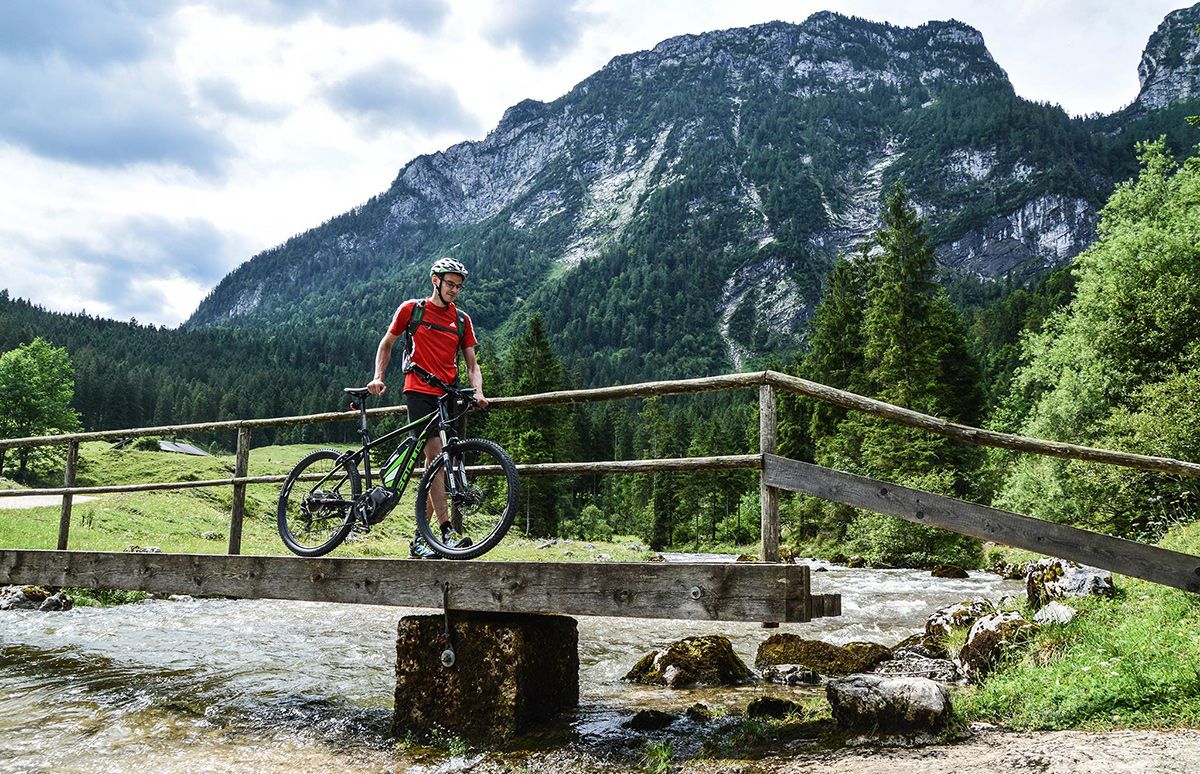
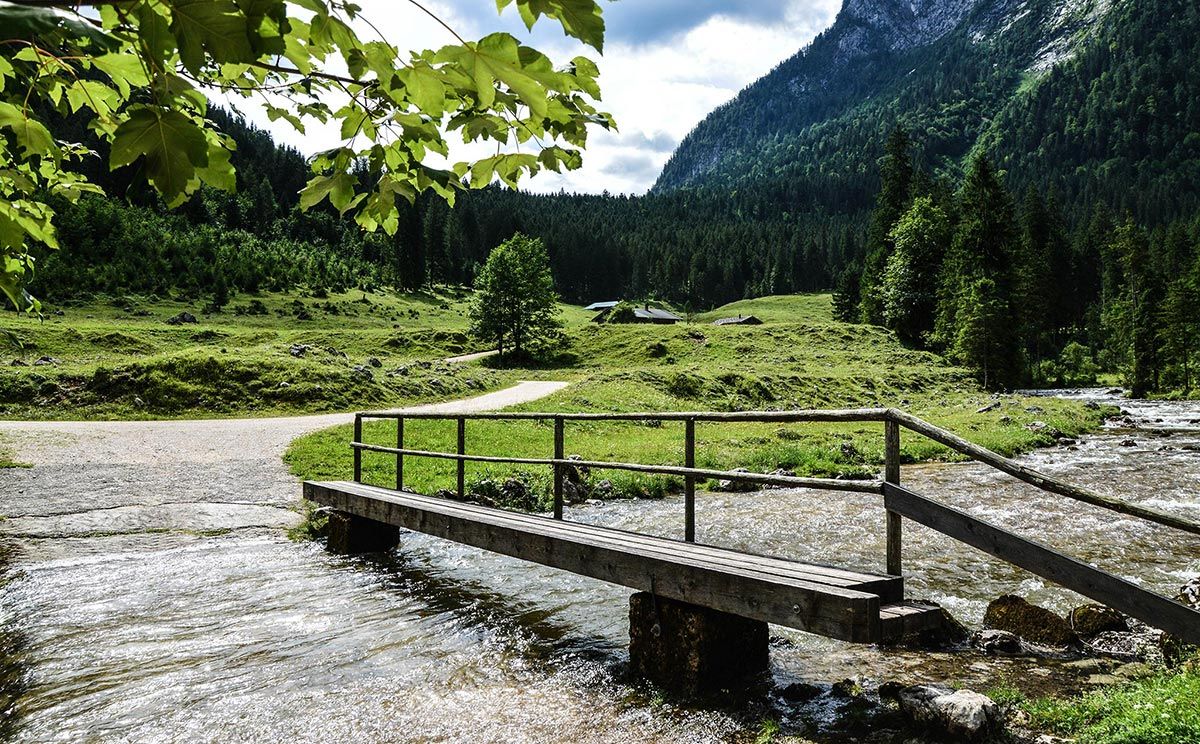
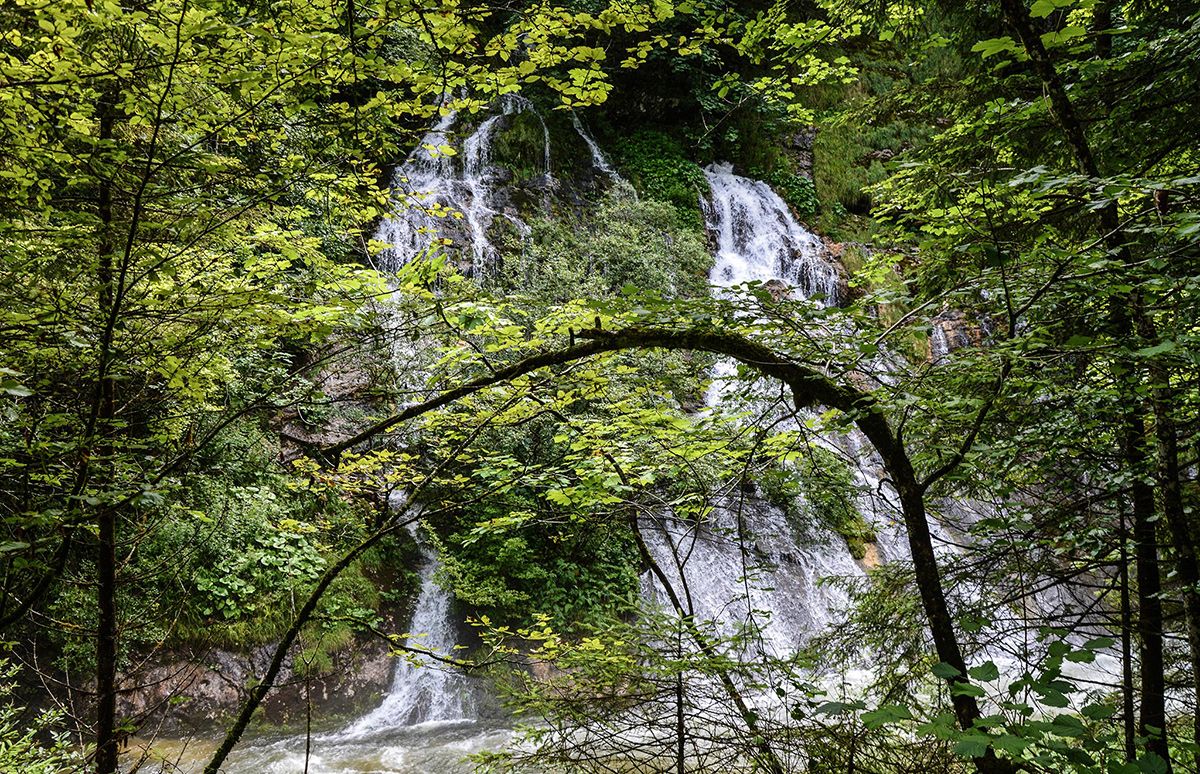
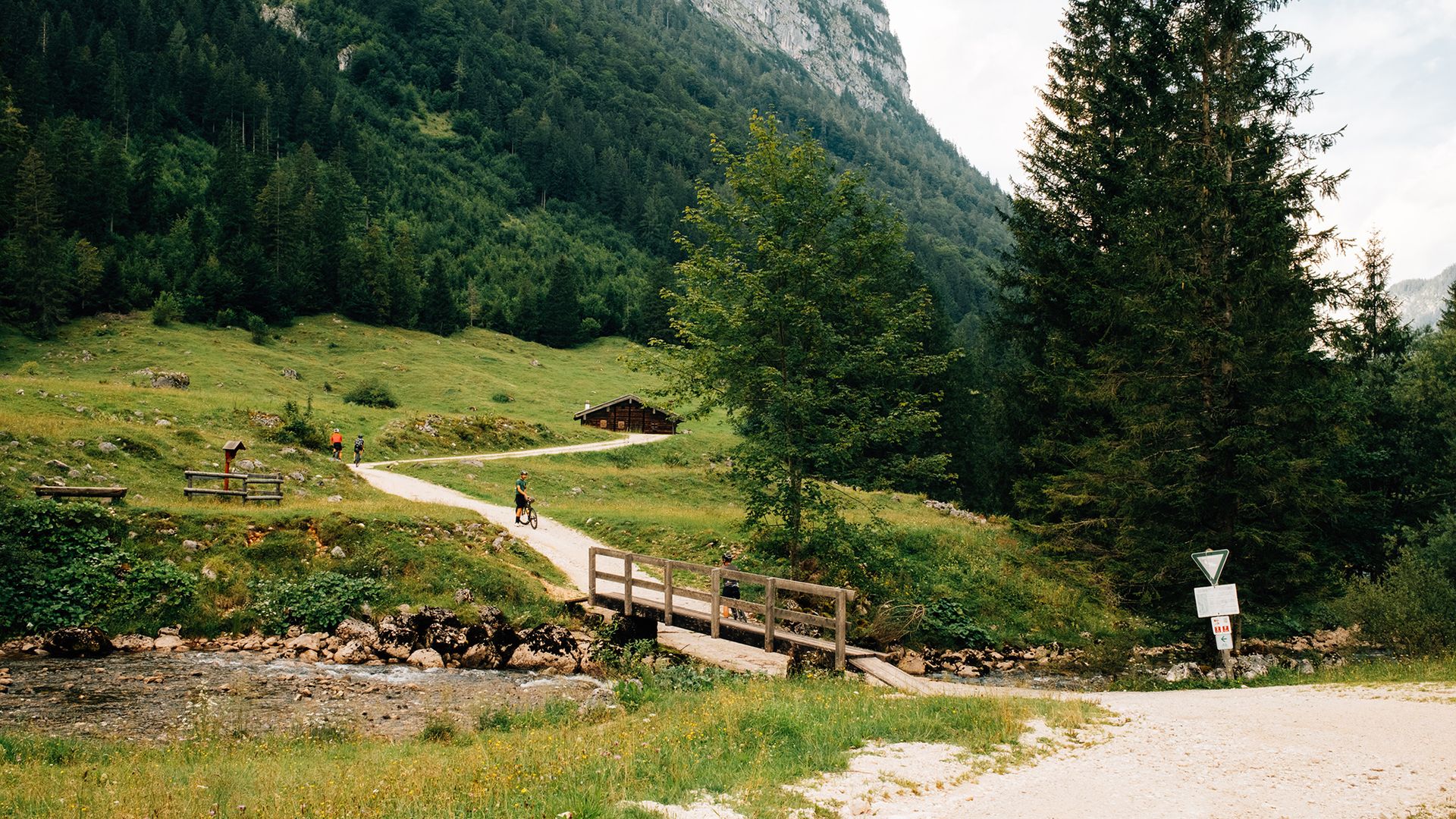
Schwarzbach flows through the pasture, dividing it into Upper Schwarzbachalm and Lower Schwarzbachalm. Flowing northward, the stream winds picturesquely along the foot of Reiter Alm, fed by several waterfalls cascading down from the Lattengebirge. A wide trail follows the creek through the valley and forms part of several mountain bike routes, including the classic Reiter Alm Loop.
Tip: Visit Schwarzbachloch
Just a short walk from Schwarzbachalm lies Schwarzbachloch, where water bursts from a cave deep within the Reiter Alm massif—a spectacular natural phenomenon. The Schwarzbach, which begins here, is Reiter Alm's largest northward-draining stream.
The geology of the Reiter Alm massif is just as fascinating. Rainwater seeps into the fractured limestone, where it travels through cracks and fissures until it reaches an impermeable layer of dolomite deep underground. There, the water collects to form an underground reservoir before emerging at Schwarzbachloch. Over thousands of years, the flowing water has gradually dissolved the limestone, creating underground cavities that eventually formed the spring cave you can see today.
Exploring Schwarzbachloch
Exploring Schwarzbachloch is an extraordinary challenge, even for experienced cave explorers. To reach deeper sections of the cave, divers must pass through flooded siphons using highly specialized equipment. Once inside, that gear has to be transported through the cave under extremely demanding conditions. To support longer expeditions, cave divers have even established a bivouac between the fifth and sixth siphons. Simply reaching the furthest explored sections of the cave and returning takes about two and a half days.
The flow of Schwarzbach varies greatly throughout the year. Water levels inside the cave are at their lowest during winter, while heavy summer rainfall and spring snowmelt bring the highest flows. After emerging from Schwarzbachloch, Schwarzbach flows above ground for about six kilometers, descending around 290 meters before joining the Saalach near Unterjettenberg in the municipalities of Schneizlreuth and Weißbach an der Alpenstraße.