The Watzmann East Face
The longest continuous rock face in the Eastern Alps- Am Watzmann
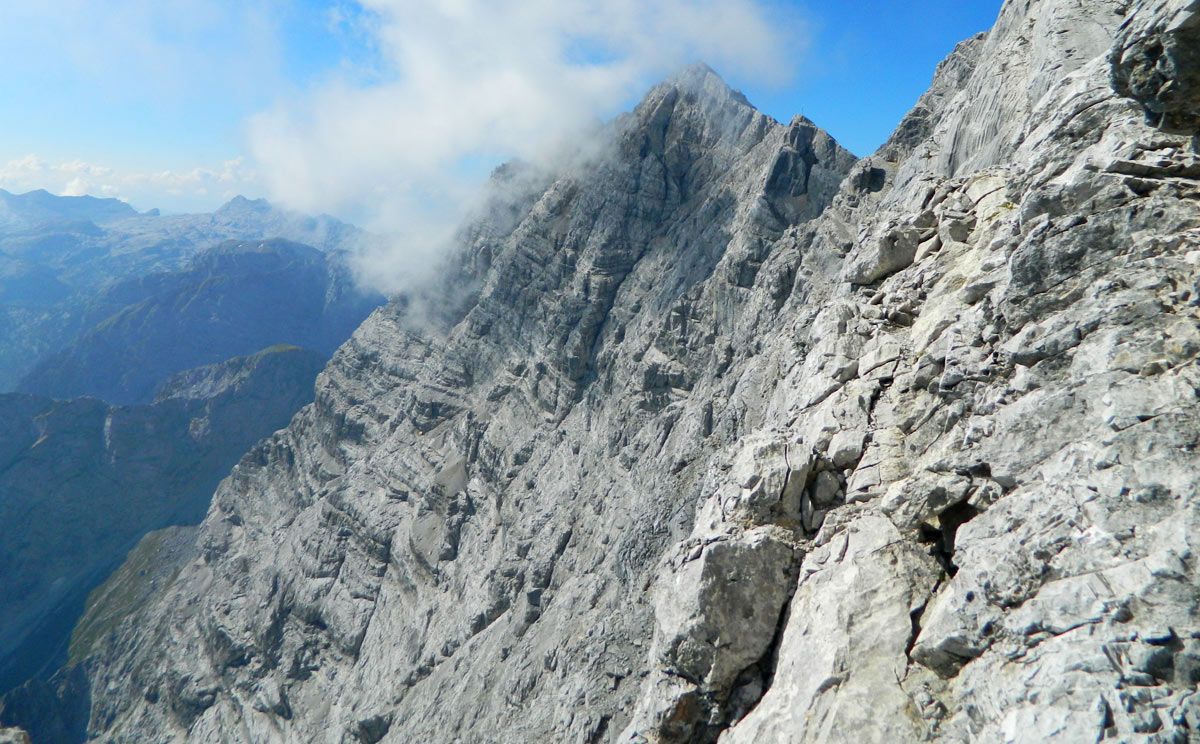
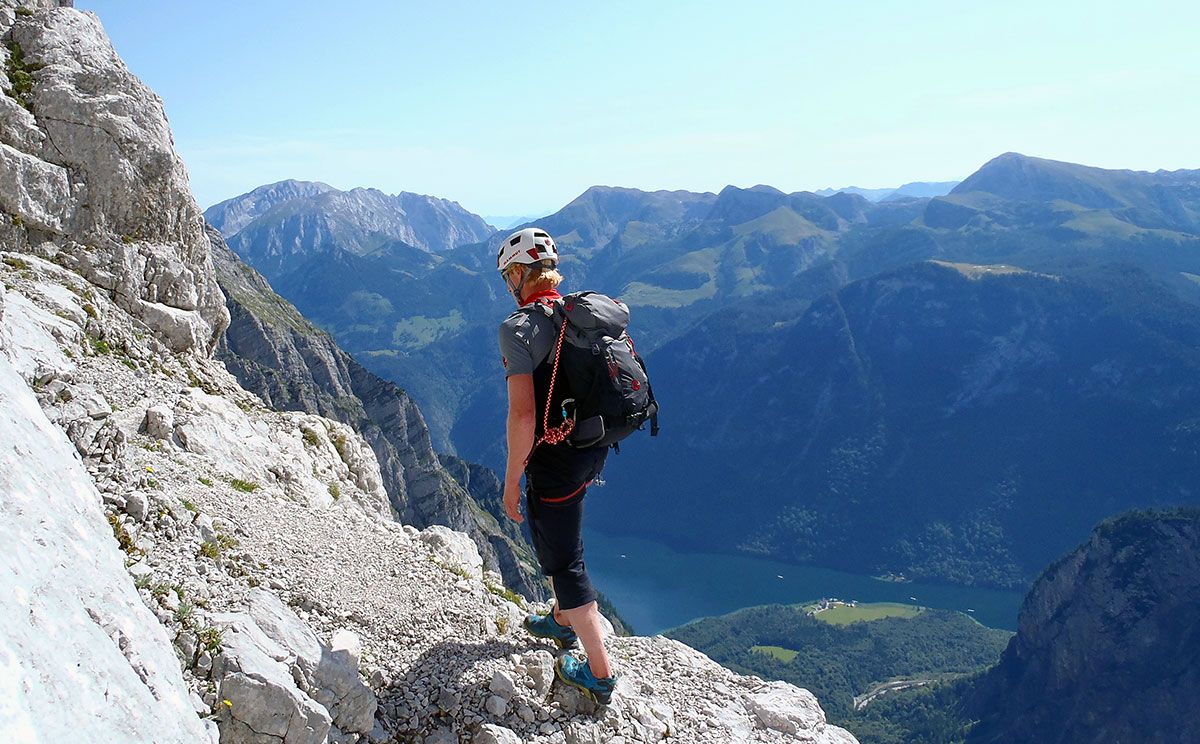
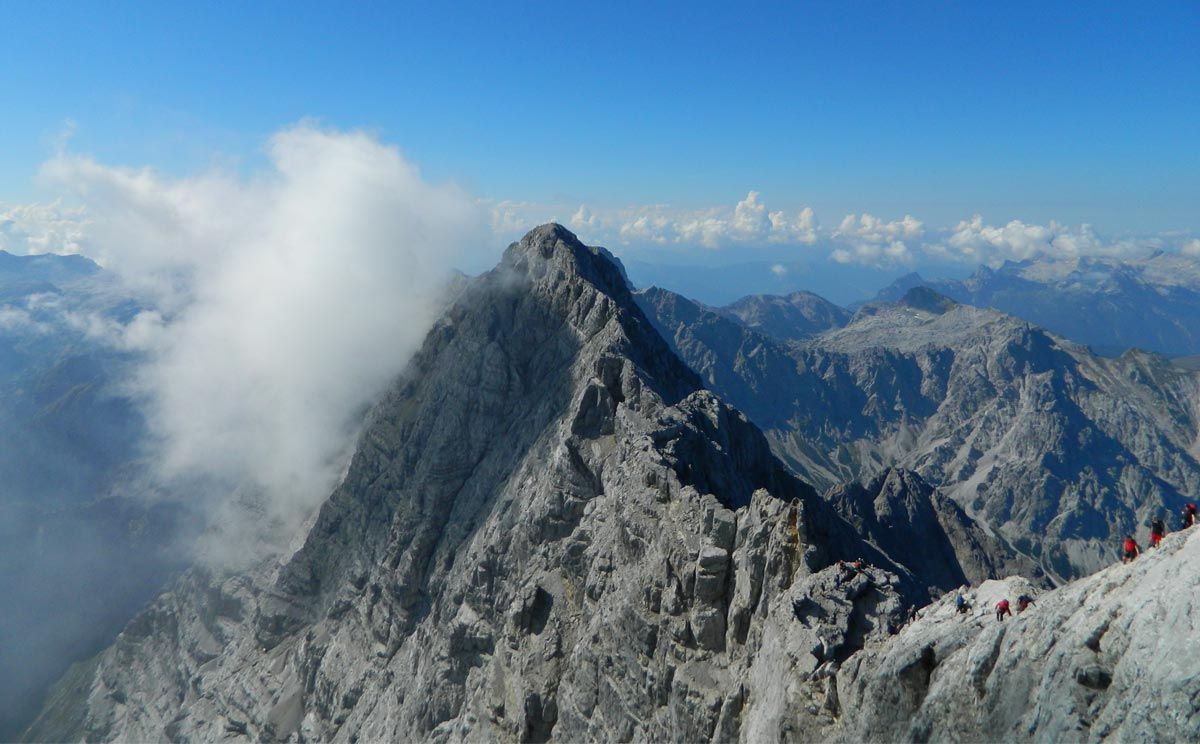
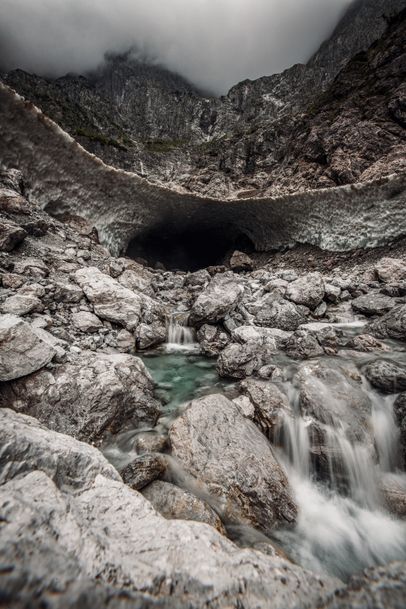
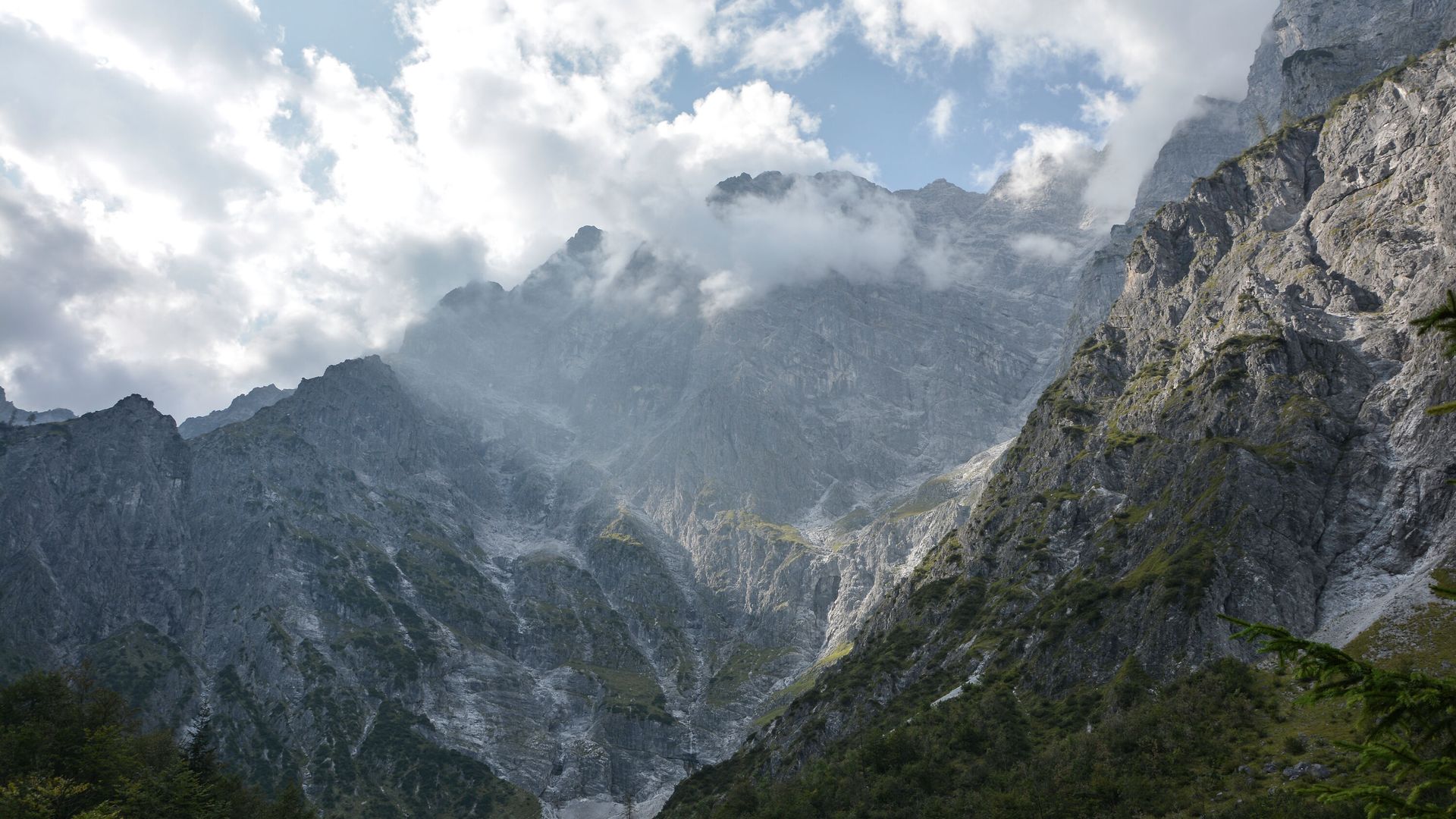
Rising 1,800 meters from Lake Königssee to the summit of Watzmann’s southern peak, the Watzmann East Face is the longest continuous rock face in the Eastern Alps. It was once even considered the longest fully climbed rock face in the entire Alpine range. The climbing route begins behind the pilgrimage church of St. Bartholomä on Lake Königssee, which is why the imposing wall is also known as the Bartholomä Face. At its base lies another remarkable natural landmark: the site of the former Eiskapelle (Ice Chapel), once the lowest permanent ice field in the Alps.
The Watzmann East Face – one of the most dangerous rock faces in the Alps
On June 18, 1881, lumberjack and mountain guide Johann Grill from the mountaineering village of Ramsau made mountaineering history. Together with Viennese climber Otto Schück, he became the first person to scale the East Face of Mount Watzmann. The two pioneers completed this extraordinary feat in approximately 14 hours.
Since that first ascent by Johann Grill, also known as Kederbacher, more than 100 climbers have lost their lives on the Watzmann East Face. Many underestimate the sheer length of the climb, which makes the route extremely demanding despite its relatively moderate technical difficulty.
To provide shelter in emergencies, a small bivouac hut stands high on the rock face at an elevation of 2,380 meters. The bright orange shelter can be a lifesaver when the weather suddenly turns. Finding your way across the rock face is also challenging, as several different routes lead through the Watzmann East Face.
Popular routes up the Watzmann East Face
Several climbing routes lead up the Watzmann East Face. The best-known routes through this legendary rock face include:
- Berchtesgadener Weg
- Kederbacherweg
- Münchner Weg
- Salzburger Weg
- Frankfurter Weg
- Polenweg
- Franz-Rasp-Gedächtnisweg
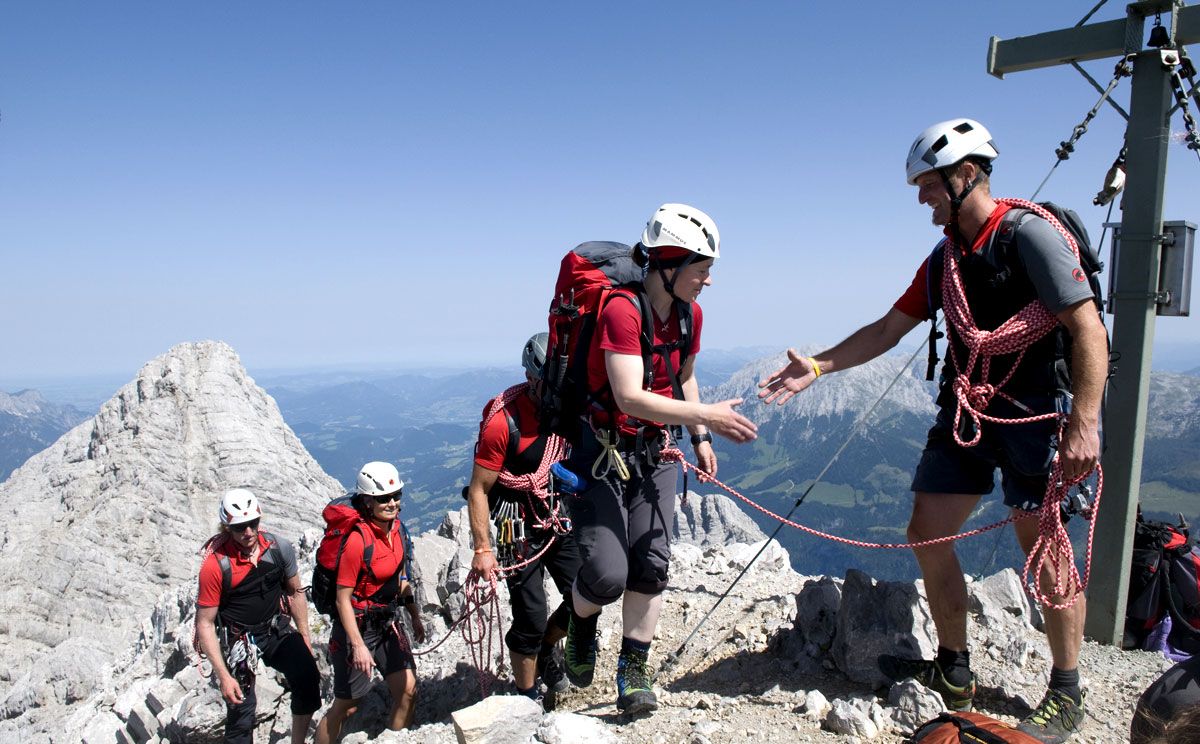
The danger of the East Face lies not in the difficulty of the routes, but in their length and the challenge of navigation. No one should attempt an ascent of the East Face without an experienced mountain guide who is familiar with the area.
Important information for climbing the Watzmann East Face
Climbing the Watzmann East Face requires ascending 2,150 meters in elevation and descending over 2,000 meters over a total distance of 18.5 kilometers. Therefore, please note:
Climbing the Watzmann East Face involves 2,150 meters of elevation gain and more than 2,000 meters of descent over a total distance of 18.5 kilometers. Please keep the following in mind:
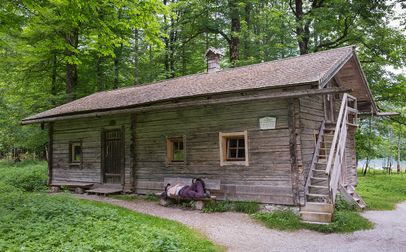
- Overnight accommodations are available at Ostwandlager near St. Bartholomä from early to mid-June through early to mid-October.
- Attempt the climb only when the weather forecast is very stable. Due to lingering snowfields, midsummer and fall are the best times to climb the Watzmann East Face.
- You must be comfortable climbing terrain up to UIAA grade III, generally without a rope.
- Don't lose time on the lower, rugged section of the route.
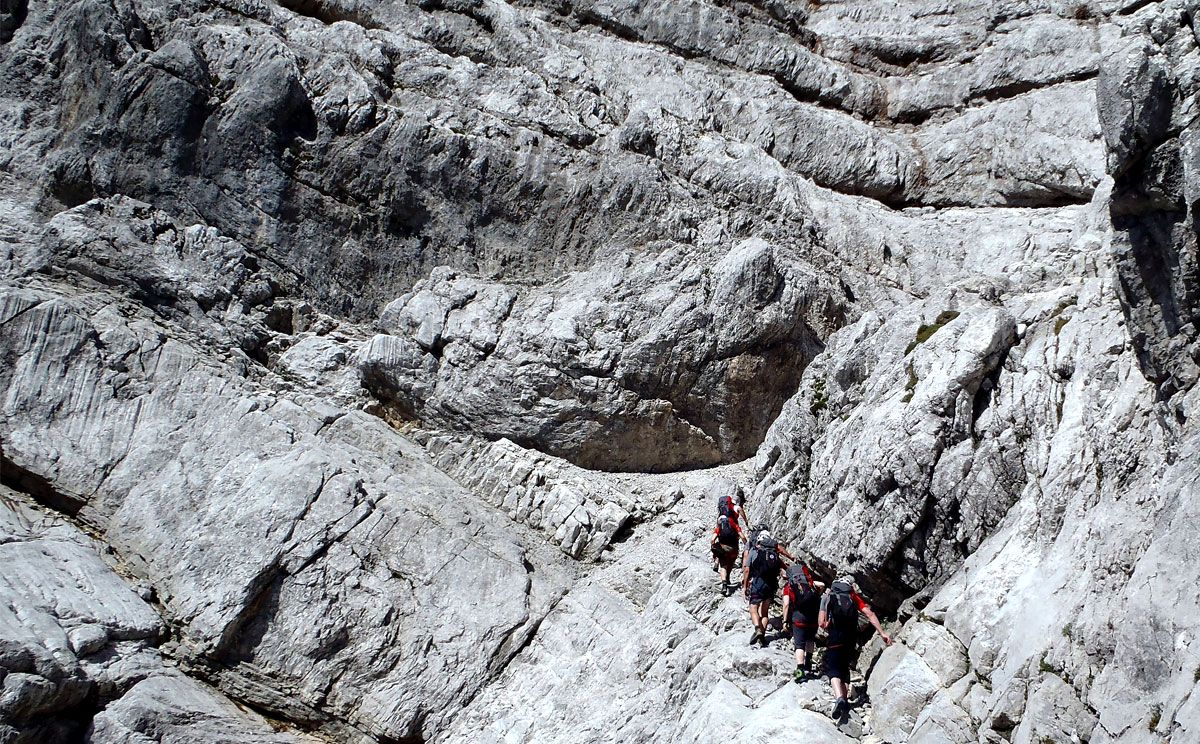
- After rain or dew formation, the lower East Face remains wet for a long time, all the way up to the large scree gully.
- A very early start is essential. Arriving the day before and scouting the first section of the route that evening is recommended, as is an overnight stay at Ostwandlager near St. Bartholomä.
- Lingering snow on outward-sloping ledges poses a serious danger well into midsummer.
- There is no cell phone reception on the descent from Watzmann’s southern peak.