The Ice Chapel and climate change
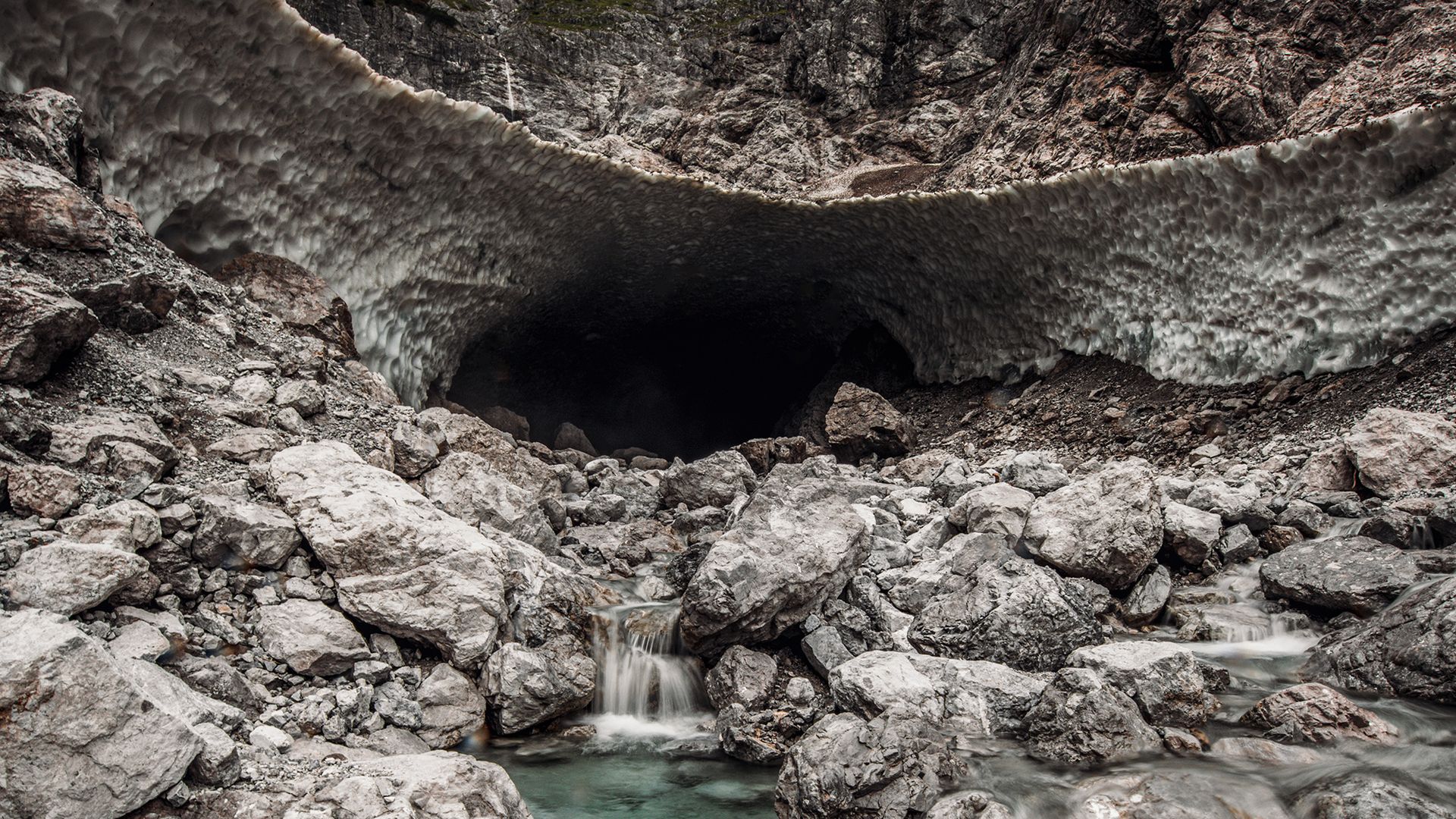
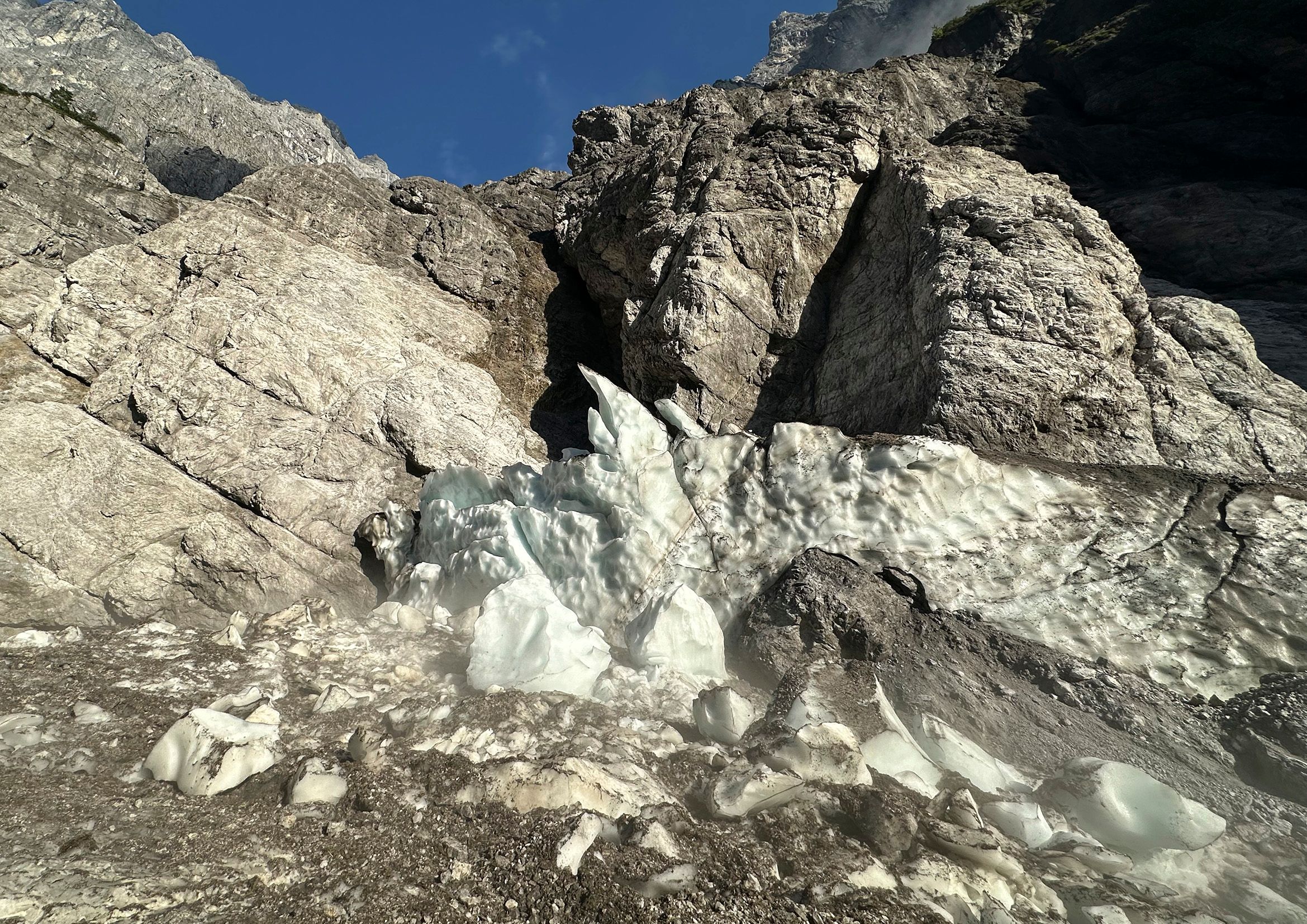
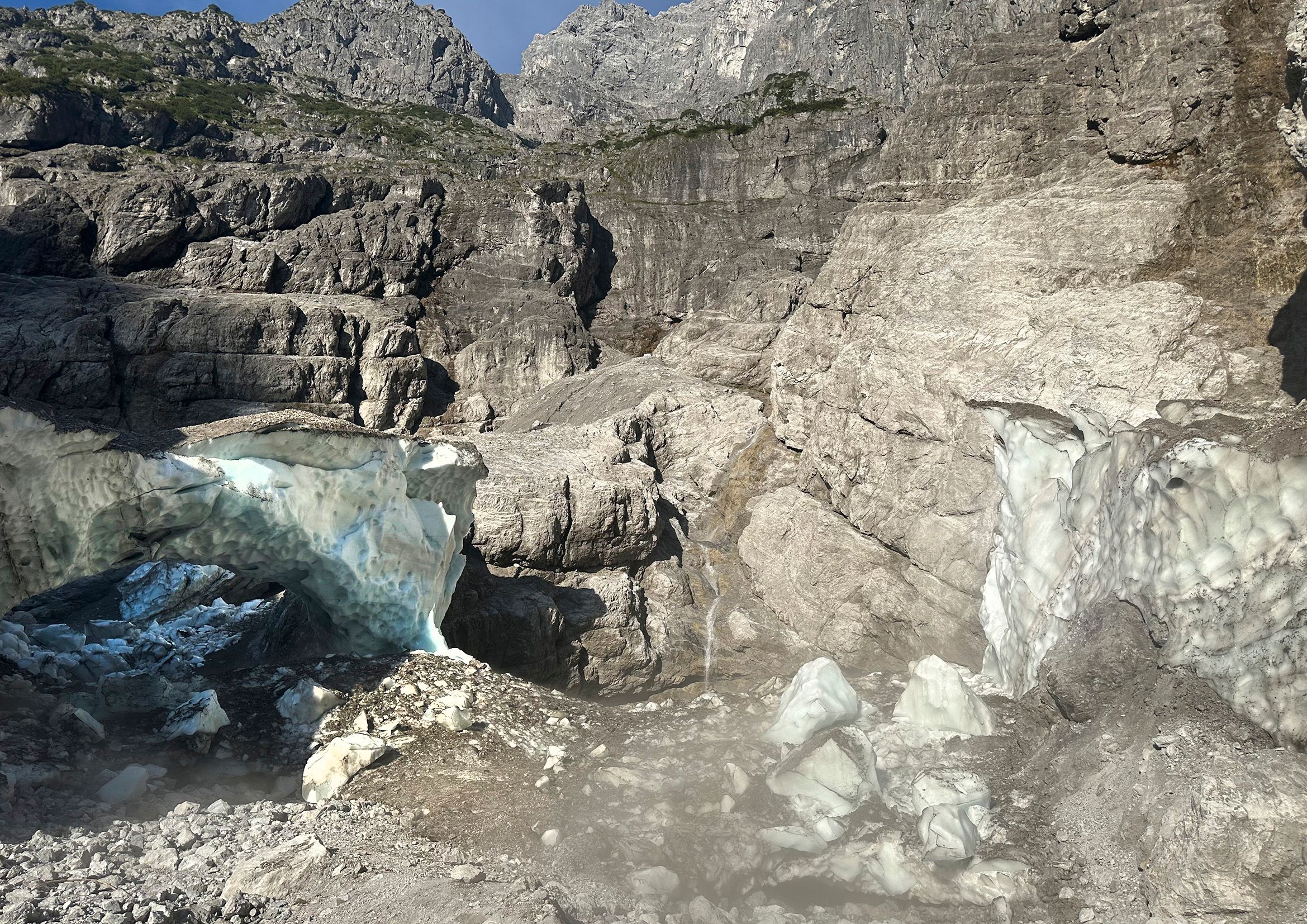
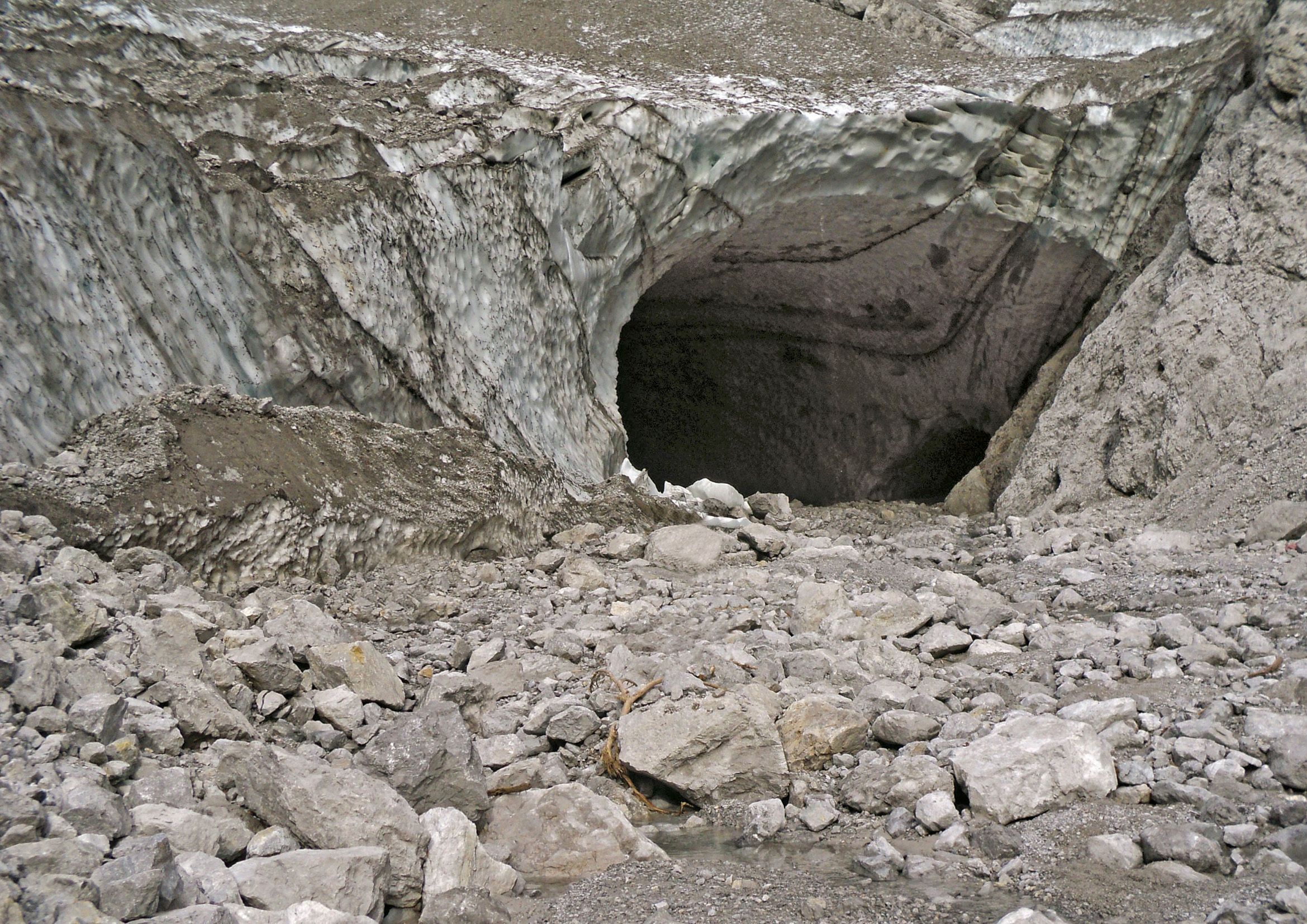
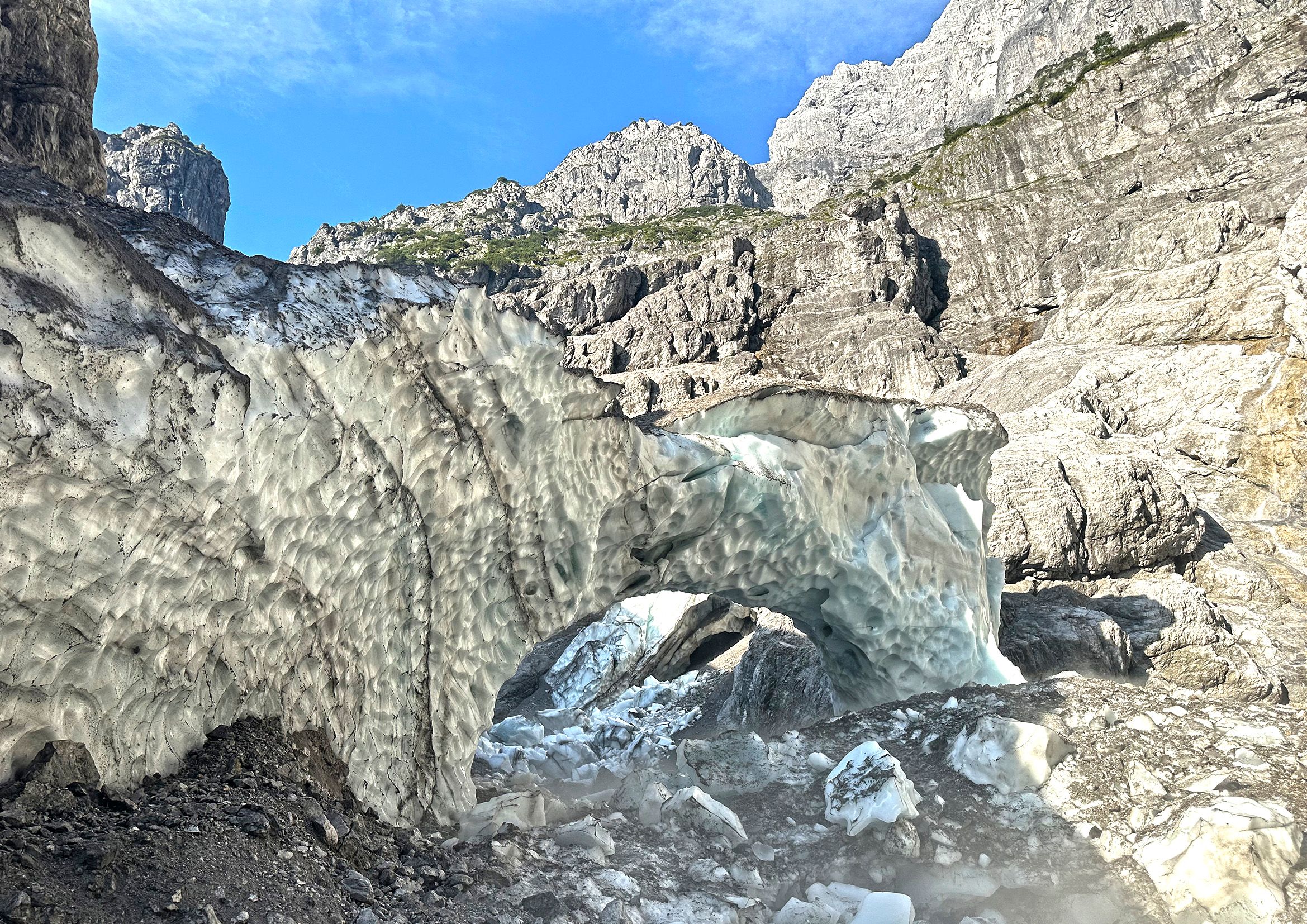
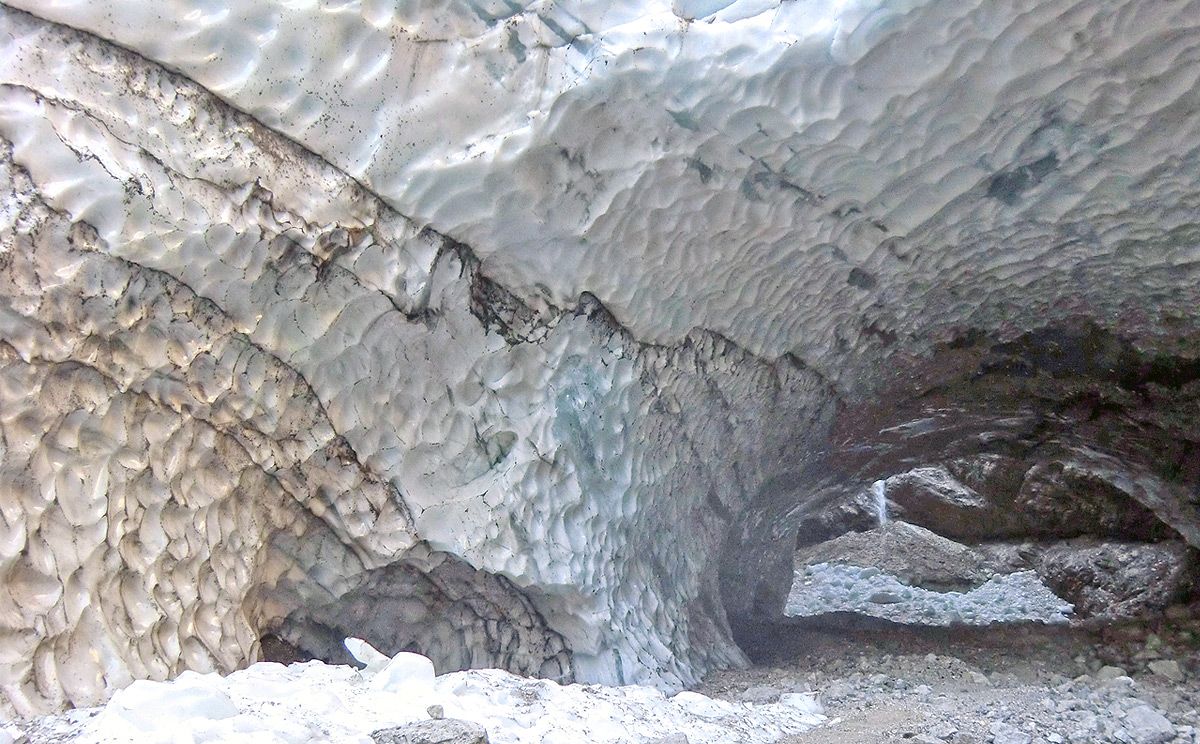
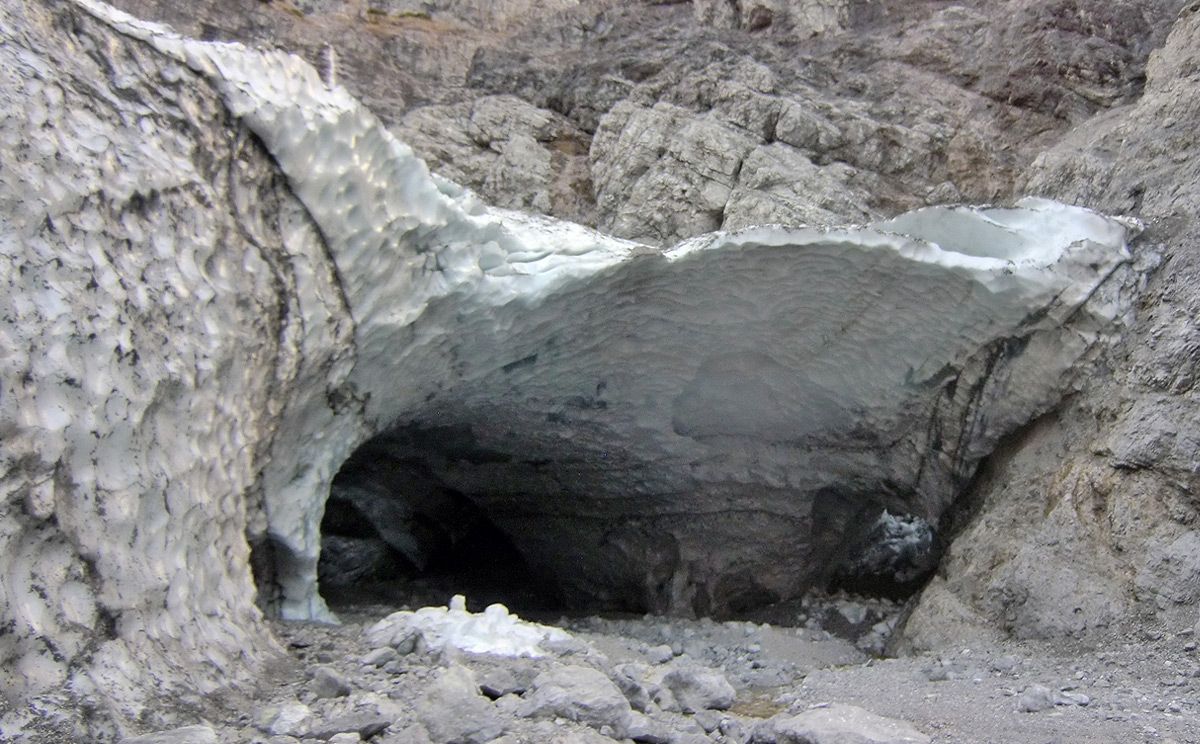
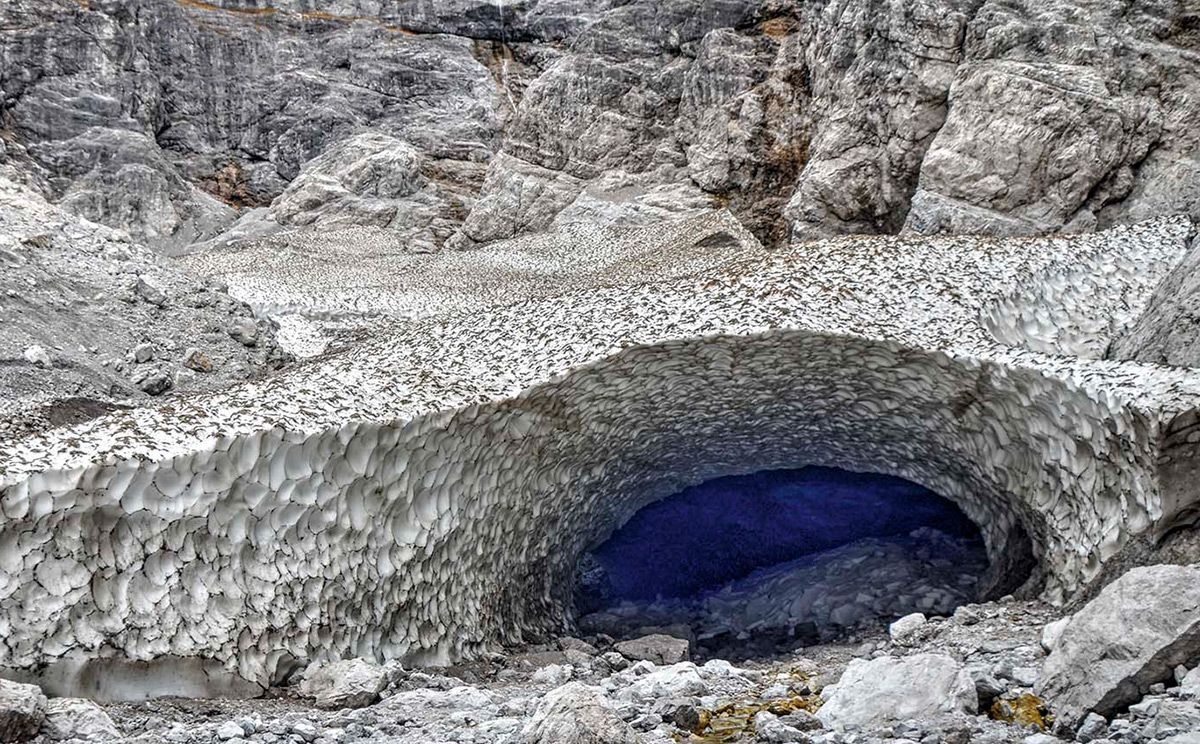
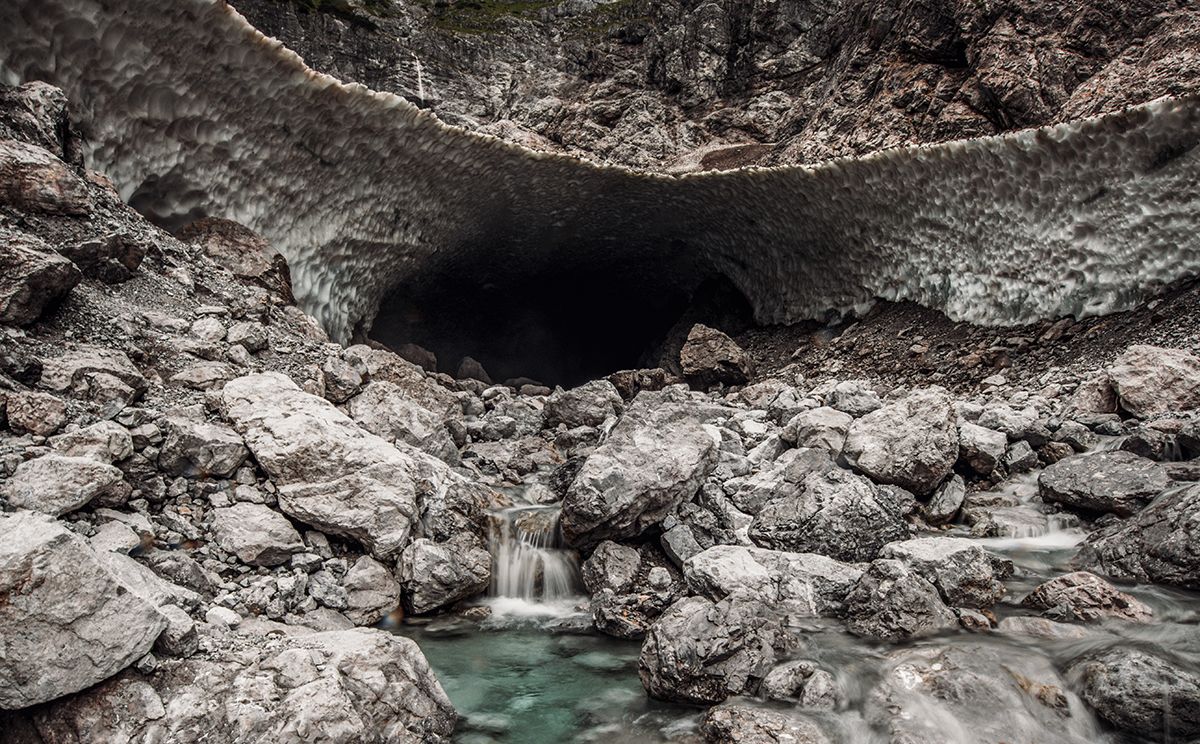
In total, nearly one million cubic meters of firn ice melted from the Ice Chapel between 1953 and 2024; since the end of 2019, the Ice Chapel had lost more than 575,000 cubic meters of firn ice—an enormous amount. The past few winters have seen little snow, and the summers have been very warm: not ideal conditions for the geotope’s survival. The warm precipitation of the past few weeks accelerated the melting until the Ice Chapel finally collapsed bit by bit.
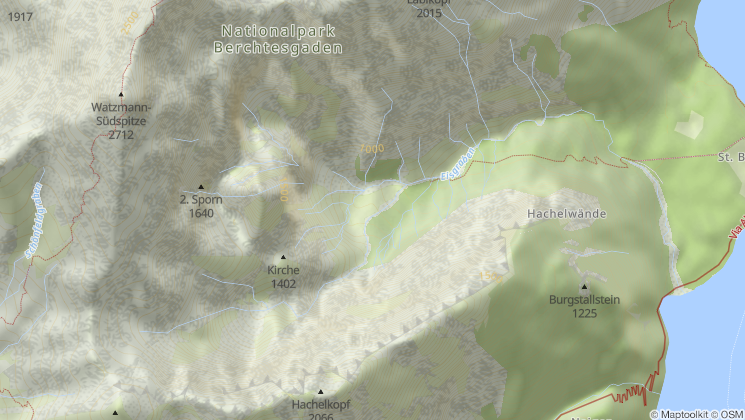
Andreas Wolf, chairman of the Association of German Cave and Karst Researchers (Verband der Deutschen Höhlen- und Karstforscher e.V.), knows the ice chapel better than almost anyone else. Since 1994, he has been surveying and mapping the entire ice chapel annually in collaboration with the Institute for Applied Karst and Speleology at the Technical University of Munich (until 2007) and the Laboratory for Geodetic Measurement Technology at Munich University of Applied Sciences. Geodetic surveys of the firn ice surface have been available since 1953. “With the increase in area due to the snowy winters between 2017 and 2019, there was great hope that the Eiskapelle could once again reach ice levels similar to those in the 1980s,” explains the scientist. Those hopes were not realized. “Between 2019 and 2022, the ice cap lost a good half of its area, shrinking from 37,800 to 18,900 square meters. But the fact that the collapse occurred as early as the summer of 2025 took German high-altitude researchers by surprise,” says Wolf. The scientist does not wish to predict whether the ice chapel has now disappeared forever or whether it can reform: “At the end of the ice trench at the foot of the Watzmann’s east face, winter precipitation in the form of avalanche snow will continue to accumulate in the future and form a firn field with a cave system. The future will reveal its size and extent. Basically, I’m confident that one or more cold and snowy winters might lead to the formation of a smaller ice chapel again.” Wolf and his team will return to the national park at the end of October 2025 to conduct their annual surveys of the firn field.
The collapse of the ice chapel has created acute alpine hazards, which scientists and the national park administration are jointly warning about: “We strongly caution hikers against entering the remains of the ice chapel; there is an acute risk of rockfall throughout the entire area of the ice chapel. Even the last remaining ice arch and the ice walls at the edge could collapse at any moment. There are crashes and rumbling sounds on site every minute,” warns National Park Director Dr. Roland Baier. Andreas Wolf adds: “Due to the complete loss of the buttress provided by the firn ice masses, the southern moraine slope in the Eisgraben is losing further stability. Large boulders are sliding down the slope on the fine-grained, loosened material and endangering people in the Eisgraben area. Life-threatening situations can arise here.” The collapse of the ice chapel also affects the access routes to the Watzmann East Face. Hikers on the East Face are strongly advised to check the current conditions on-site in advance.