Reiter Alm Natural Forest Reserve
Some of the last remnants of old-growth forest in Central Europe- Schneizlreuth
The forests of Reiter Alm have been left largely undisturbed for centuries, allowing them to develop naturally and retain their original character. Today, they are among the last remaining remnants of old-growth forest in Central Europe.
Reiter Alm Natural Forest Reserve lies in the southern half of the Reiter Alm massif, on the northwestern edge of the Berchtesgaden Alps. The reserve covers a total of 449.7 hectares, including 27.7 hectares of state-owned forest managed by the Berchtesgaden forestry division of the Bavarian State Forests. The remaining 442 hectares lie within Berchtesgaden National Park.
Reiter Alm
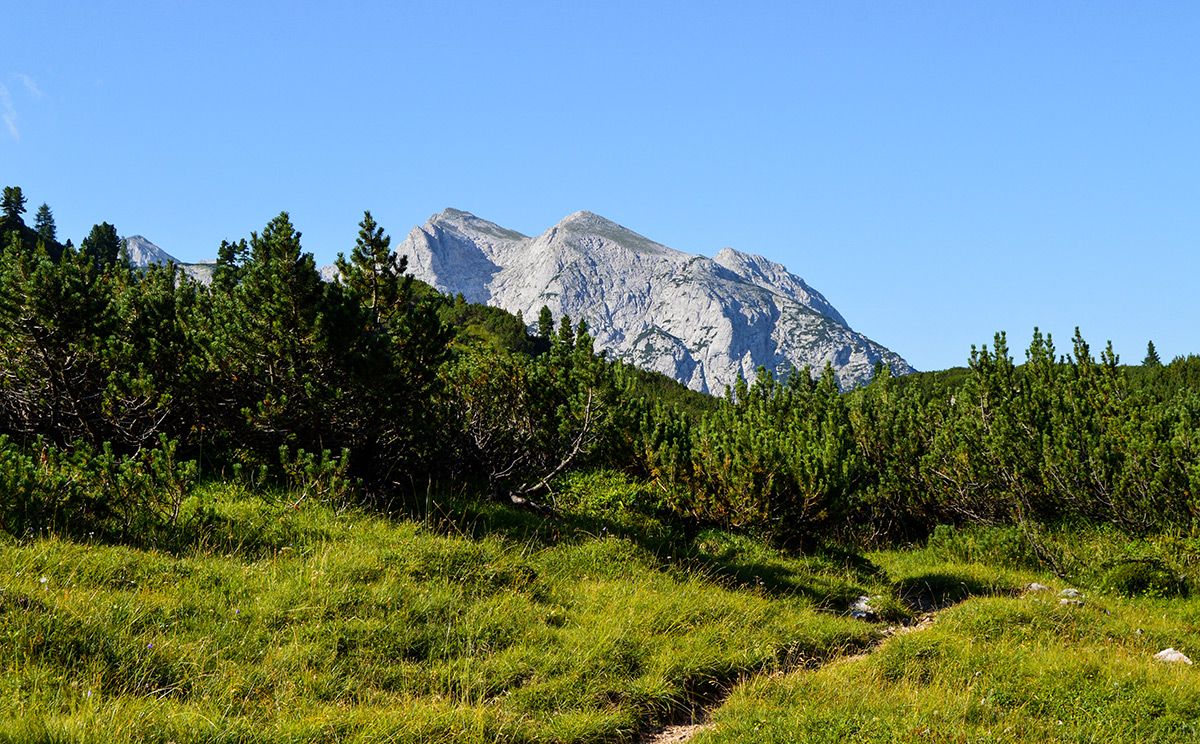
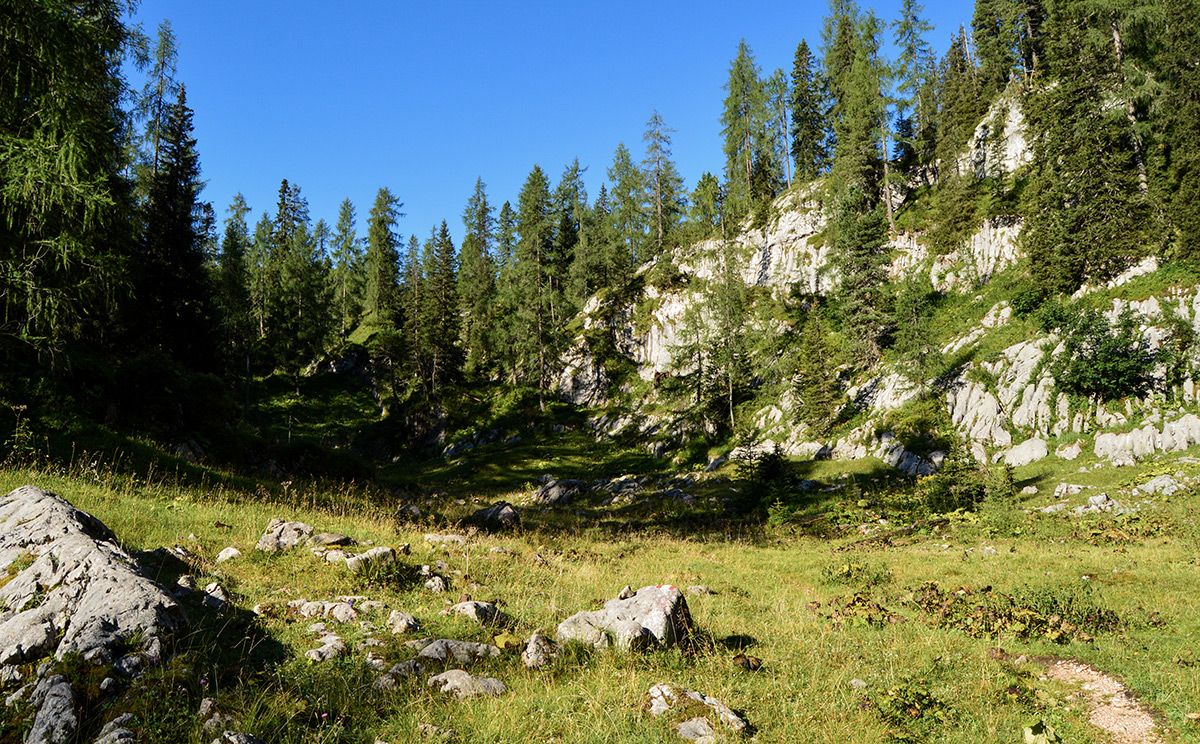
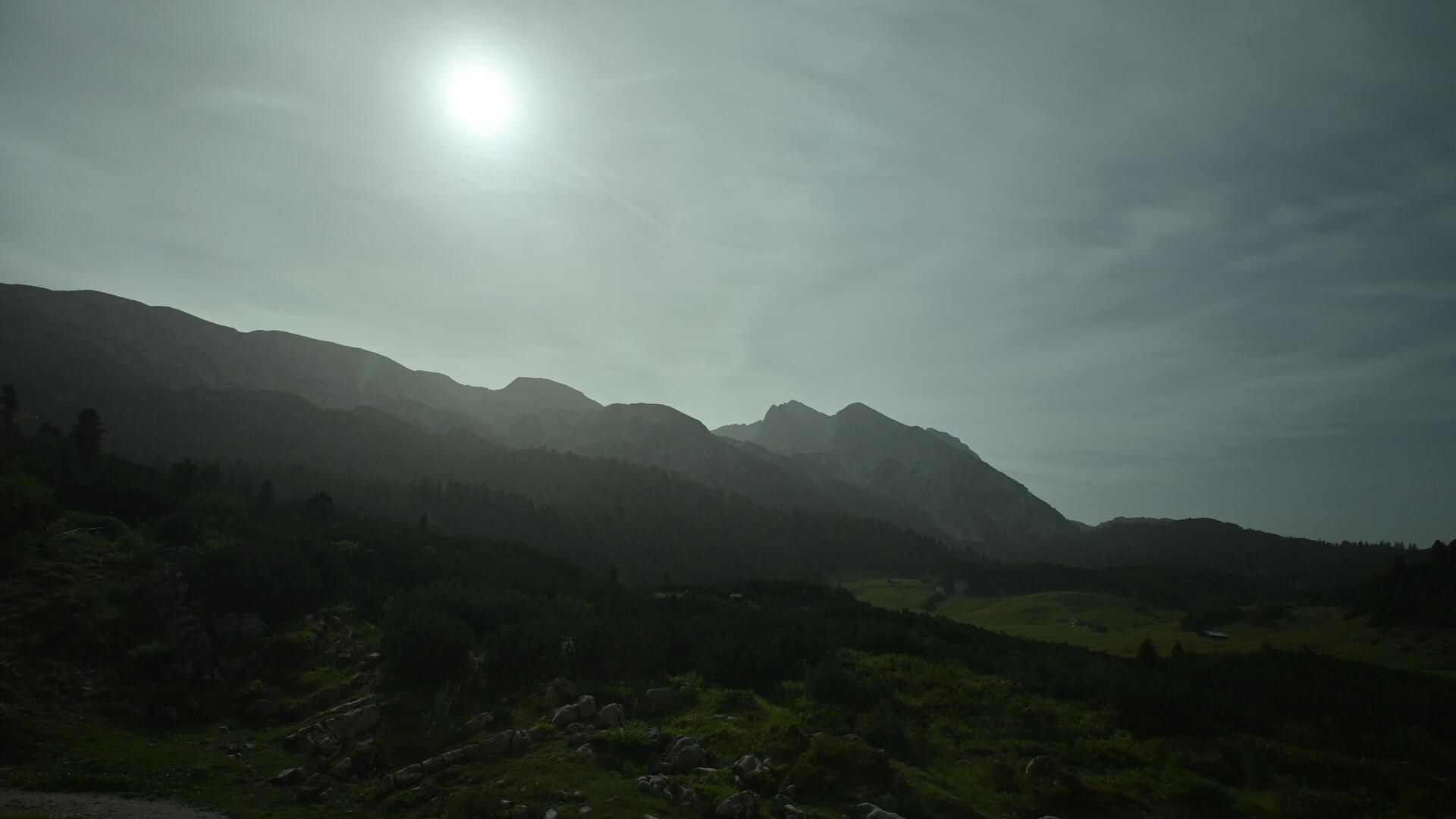
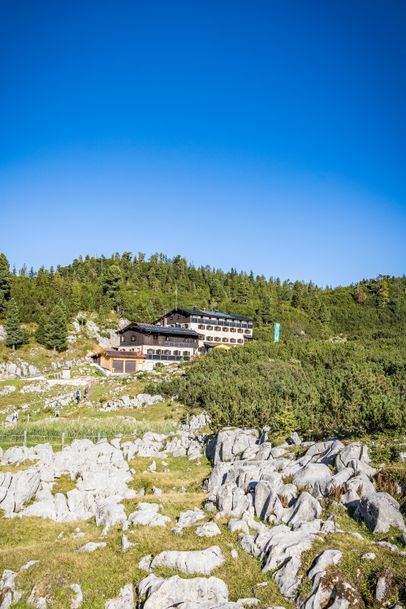
The natural forest reserve lies on the northwestern edge of the Berchtesgaden Alps. The Reiter Alm massif forms a high plateau surrounded by steep slopes on all sides. Over time, the easily weathered Dachstein limestone has developed sinkholes and distinctive limestone pavement formations. Periods of water scarcity and frost-prone conditions are characteristic of this rugged alpine landscape.
Larches, spruces, Swiss stone pines, and mountain pines
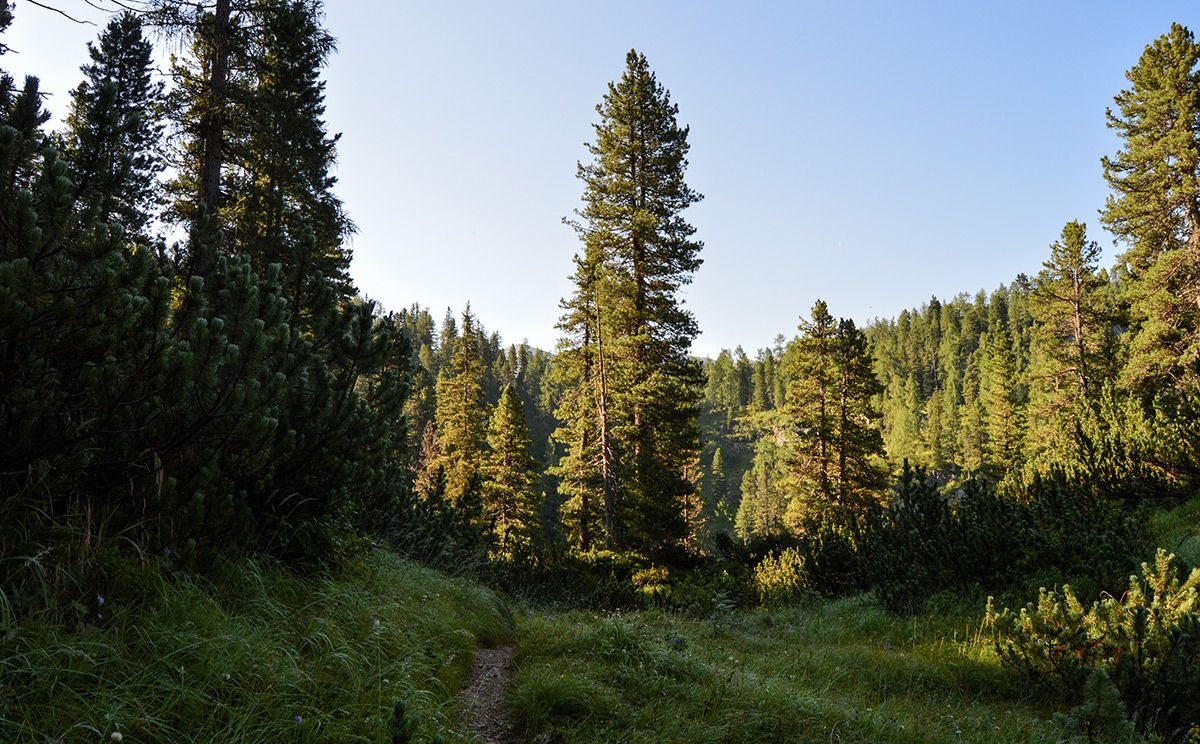
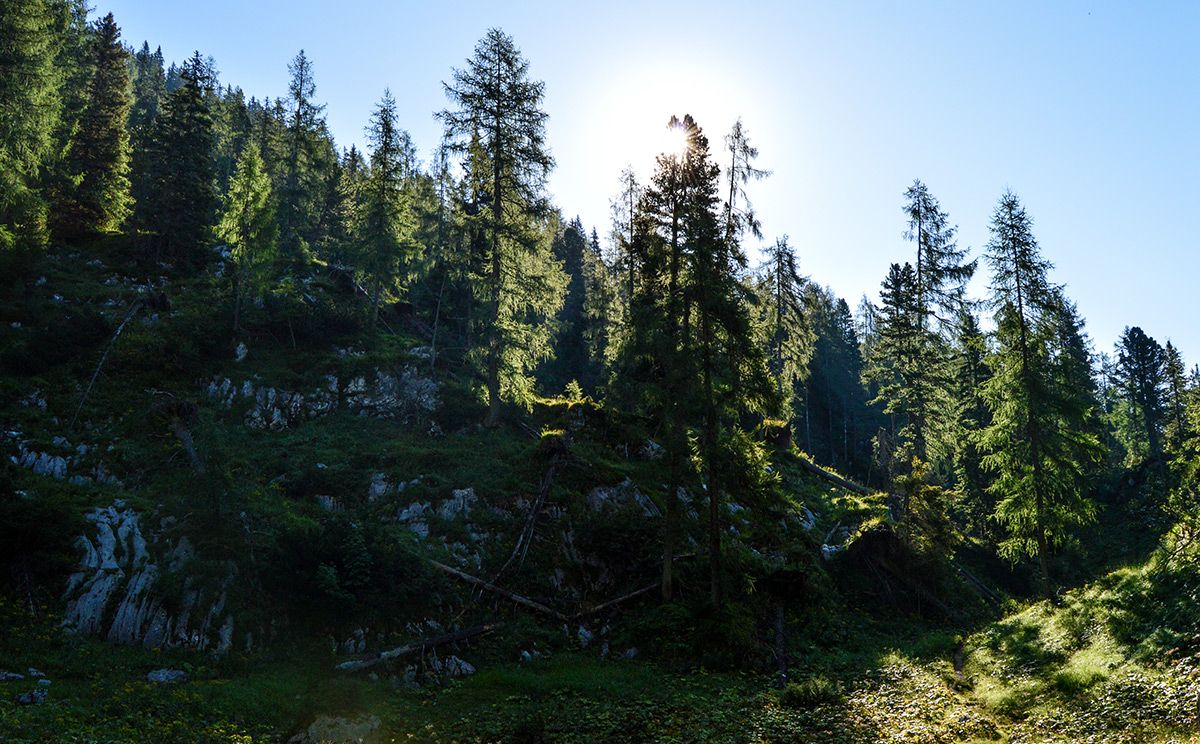
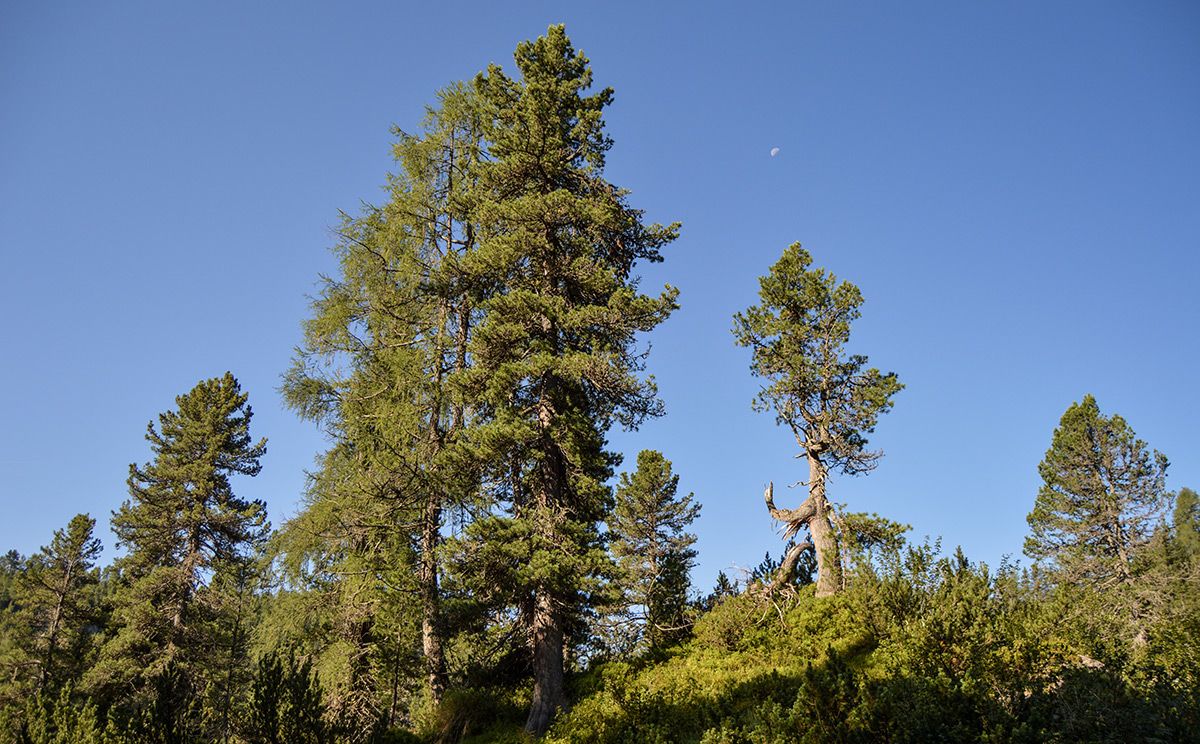
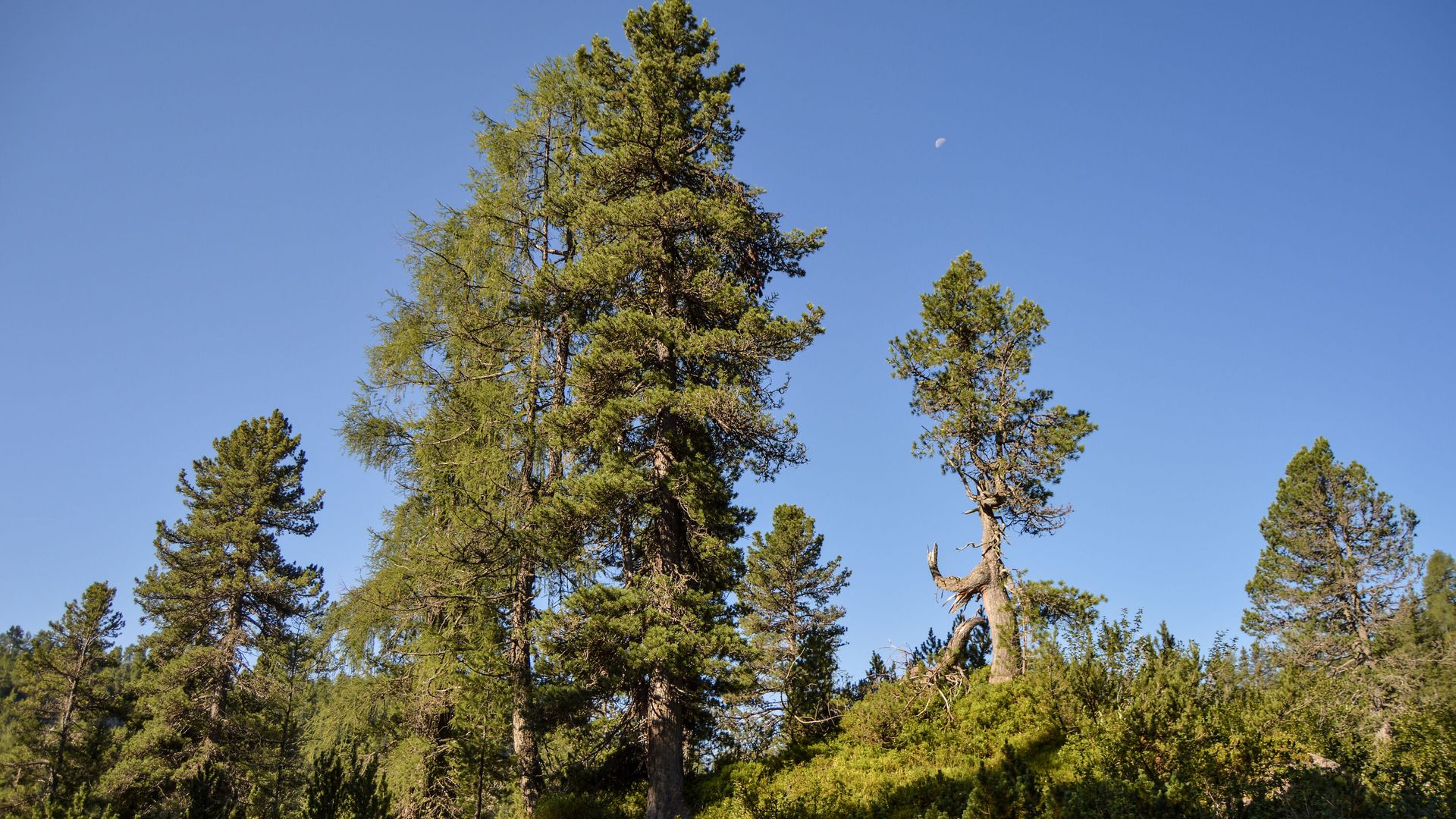
On the eastern slopes of Reiter Alm, larches are the dominant tree species, interspersed with spruces and Swiss stone pines. Beyond these forested areas, extensive stands of mountain pines shape the landscape of the high plateau.
Mountain pines thrive particularly in areas prone to frost and form an understory of varying density beneath the taller trees. The sinkholes and depressions in the limestone terrain remain largely treeless because of the cold conditions.
Ecological and geographical features of Reiter Alm
Reiter Alm provides an ideal habitat for golden eagles. The steep cliffs descending into the valley offer excellent nesting sites, while the plateau's varied landscape of open terrain, dense woodland, and more widely spaced trees creates ideal hunting conditions.
Reiter Alm also holds some special discoveries for butterfly and moth enthusiasts. Two rare moth species found here are the dark tussock moth (Dicallomera fascelina) and the silver-gray banded noctuid moth (Epilecta linogrisea). Both species are classified as critically endangered in Bavaria.