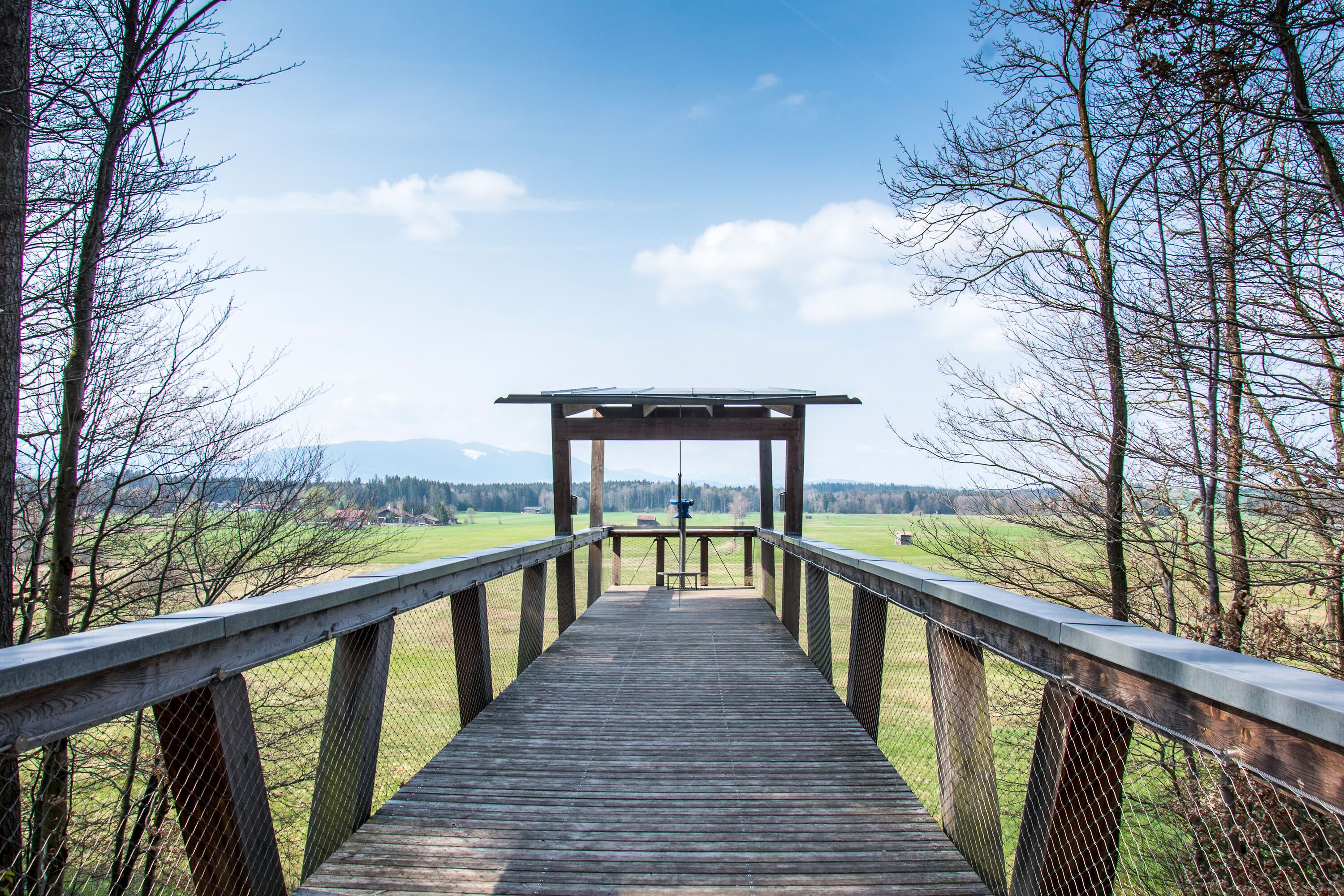


Haarmoos
A protected landscape near Lake Abtsdorfer See- Nature Trail
- Hiking
- 2:00 h
- 8,3 km
- 18 hm
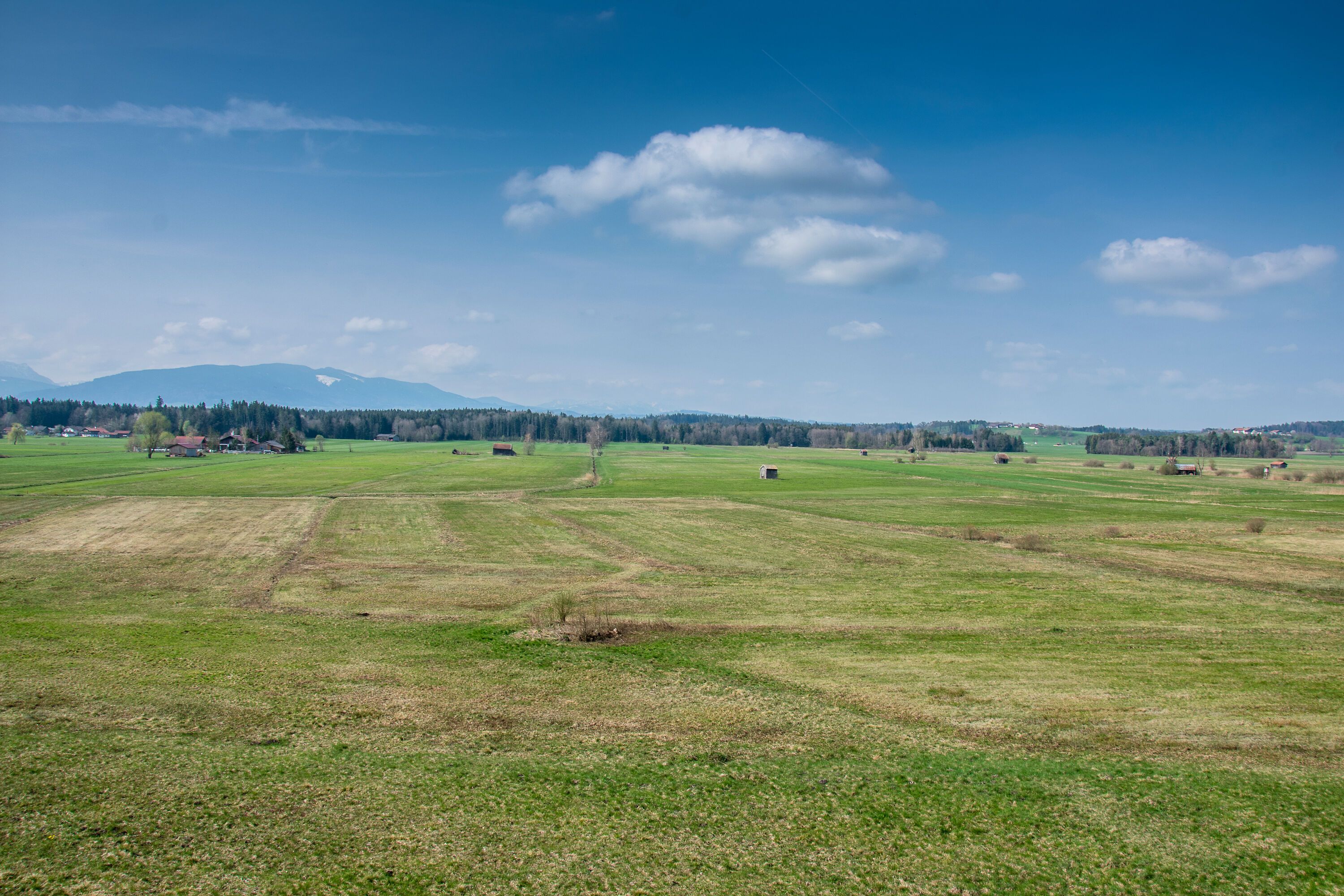
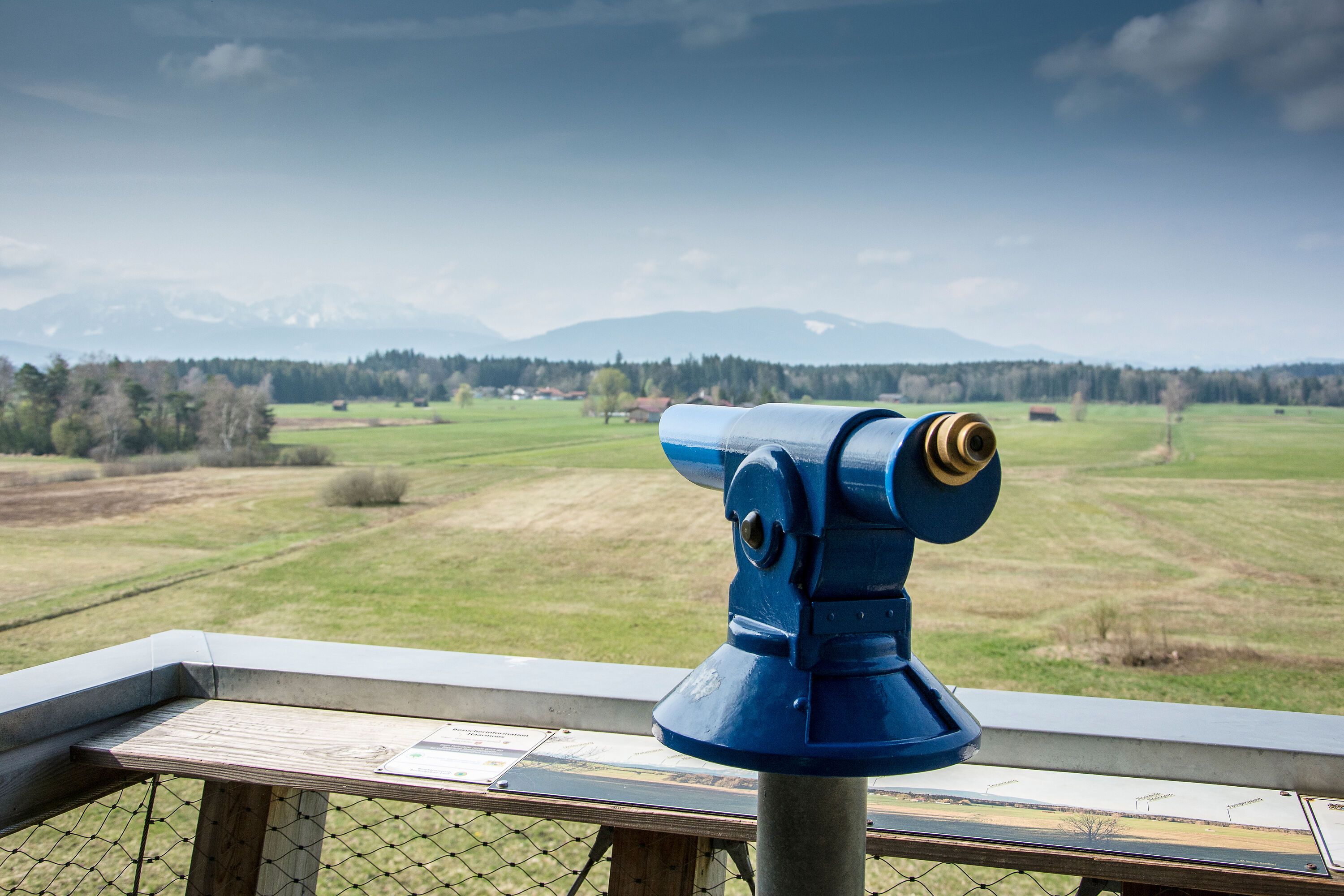
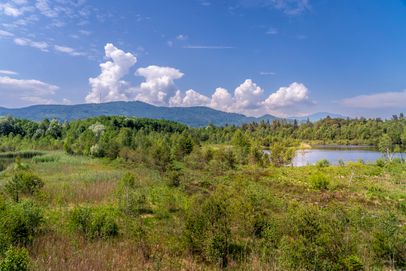
Explore Haarmoos near Lake Abtsdorfer See, home to southeastern Bavaria’s largest breeding habitat for meadow-nesting birds and the last extensive landscape of traditionally managed wet meadows in Berchtesgadener Land.
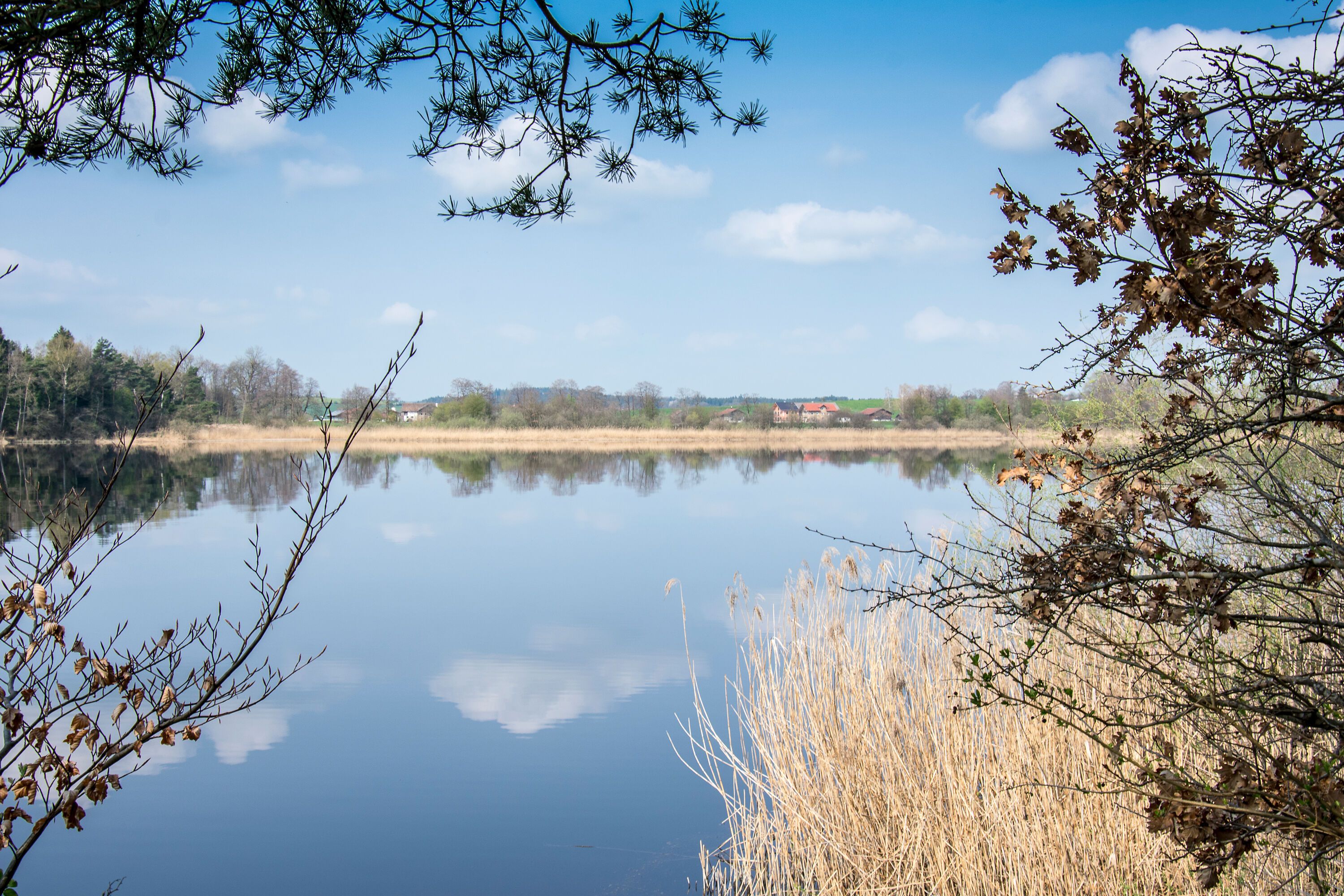
Haarmoos is particularly important as a habitat for meadow-nesting birds. In 1979, Haarmoos and nearby Lake Abtsdorfer See were designated a protected landscape area.
Southeastern Bavaria’s most important breeding habitat for meadow-nesting birds
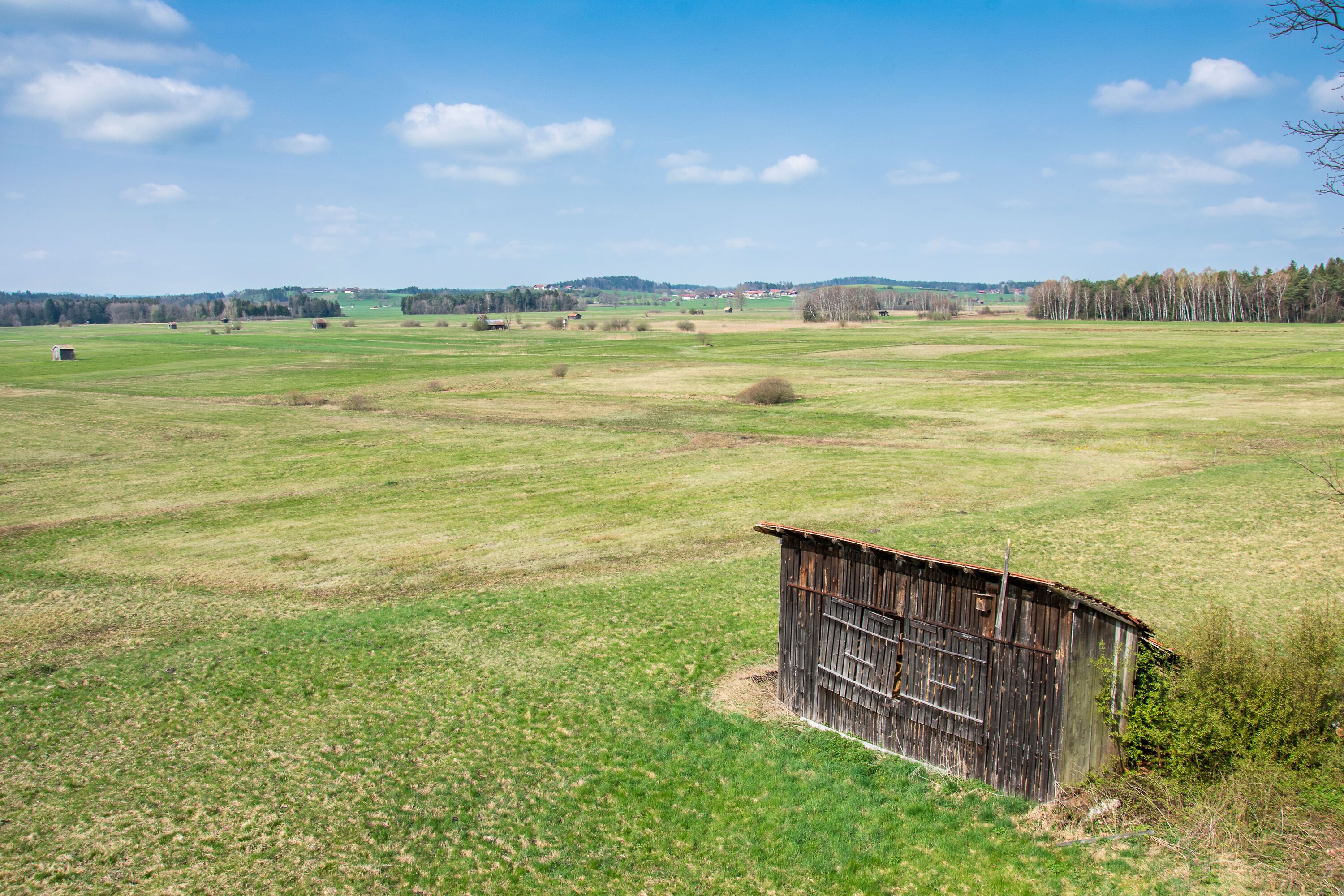
Located west of Lake Abtsdorfer See, in the municipalities of Saaldorf-Surheim and Laufen in Rupertiwinkel, Haarmoos is southeastern Bavaria’s most important breeding habitat for meadow-nesting birds. Covering approximately 400 hectares, this wetland is part of one of the most threatened habitat types.
The story of Haarmoos began more than 10,000 years ago, at the end of the last Ice Age. As the glaciers retreated, a shallow lake formed across what is now Haarmoos. Over time, the lake gradually filled in, creating a fen that would normally have developed into a raised bog.
In the 18th century, however, Prince-Archbishop Hieronymus of Salzburg ordered the land to be drained so local farmers could use it. These changes gave rise to the species-rich wetland landscape you can explore today.
Abtsdorfer See protected landscape area
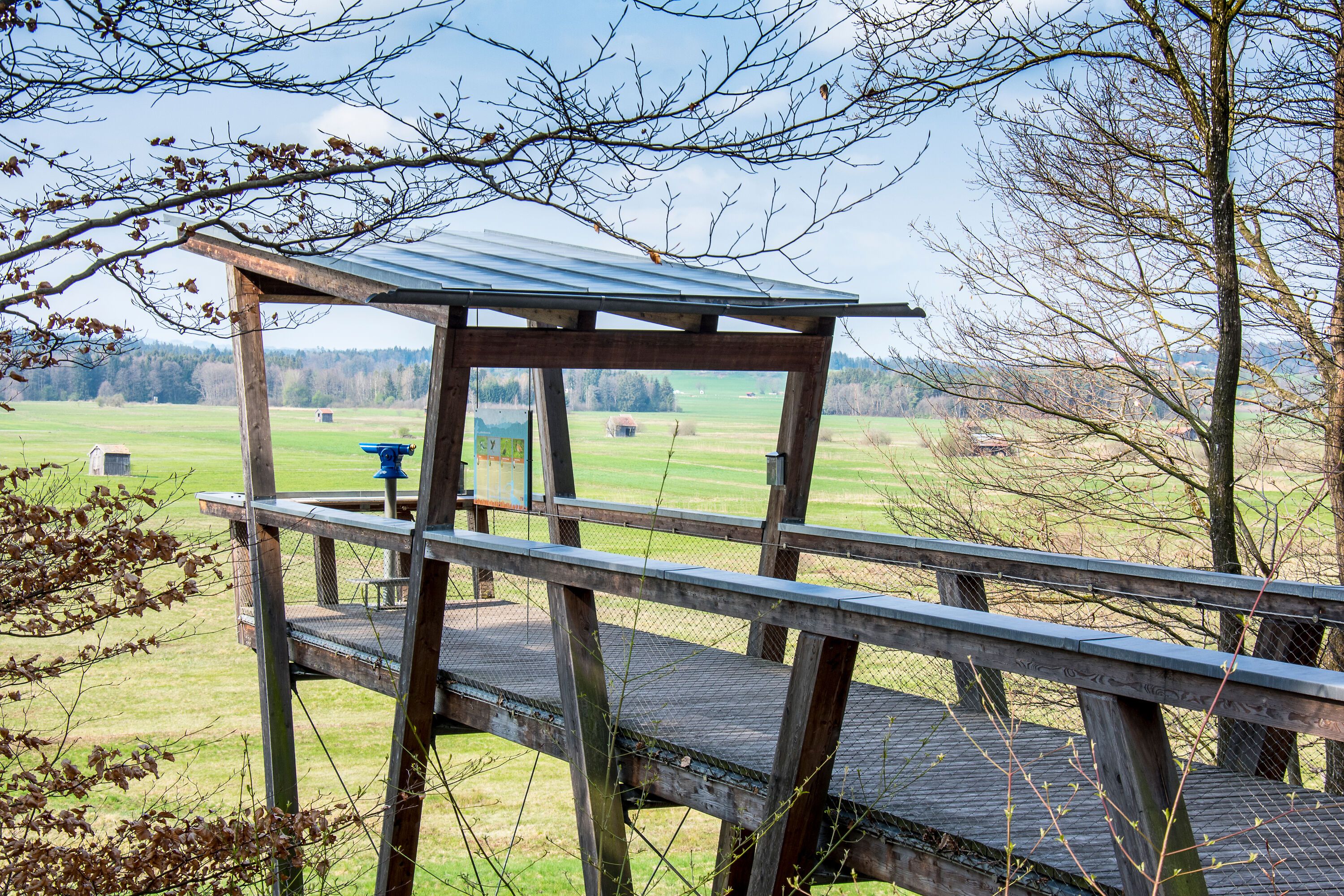
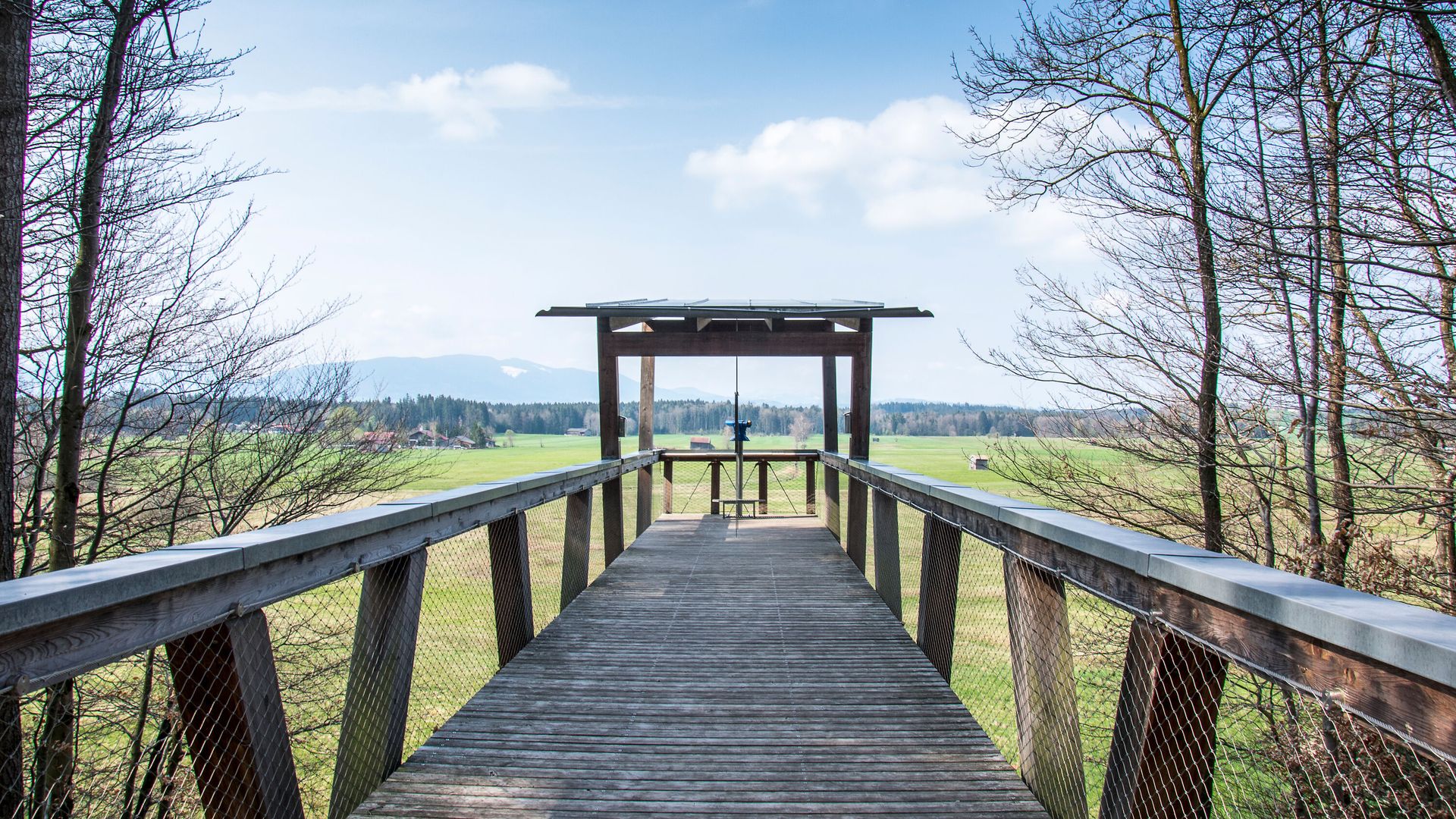
To minimize disturbances to nesting birds and protect rare plants, designated trails and visitor management measures were introduced in 1987. From March 20 through June 15, visitors must stay out of the meadow-nesting birds’ breeding areas.
The Bavarian Society for the Protection of Birds has purchased approximately 50 hectares of land in Haarmoos and created several shallow depressions that fill with groundwater, providing valuable wetland habitat. In one wet meadow, tree stumps and roots were removed to allow regular mowing.
The traditionally managed wet meadows are mowed in late fall, giving plants time to produce seeds and providing cover for birds throughout the breeding season. This timing also allows the caterpillars of the large blue butterflies associated with great burnet plants to leave their host plants and enter ant nests, where they continue their development.
To protect the sensitive ground, tractors equipped with dual tires are used for mowing, distributing their weight over a larger area. The main drainage ditches are cleared every three years to keep the meadows suitable for continued management.