Berchtesgadener War

Berchtesgaden craftsmanship

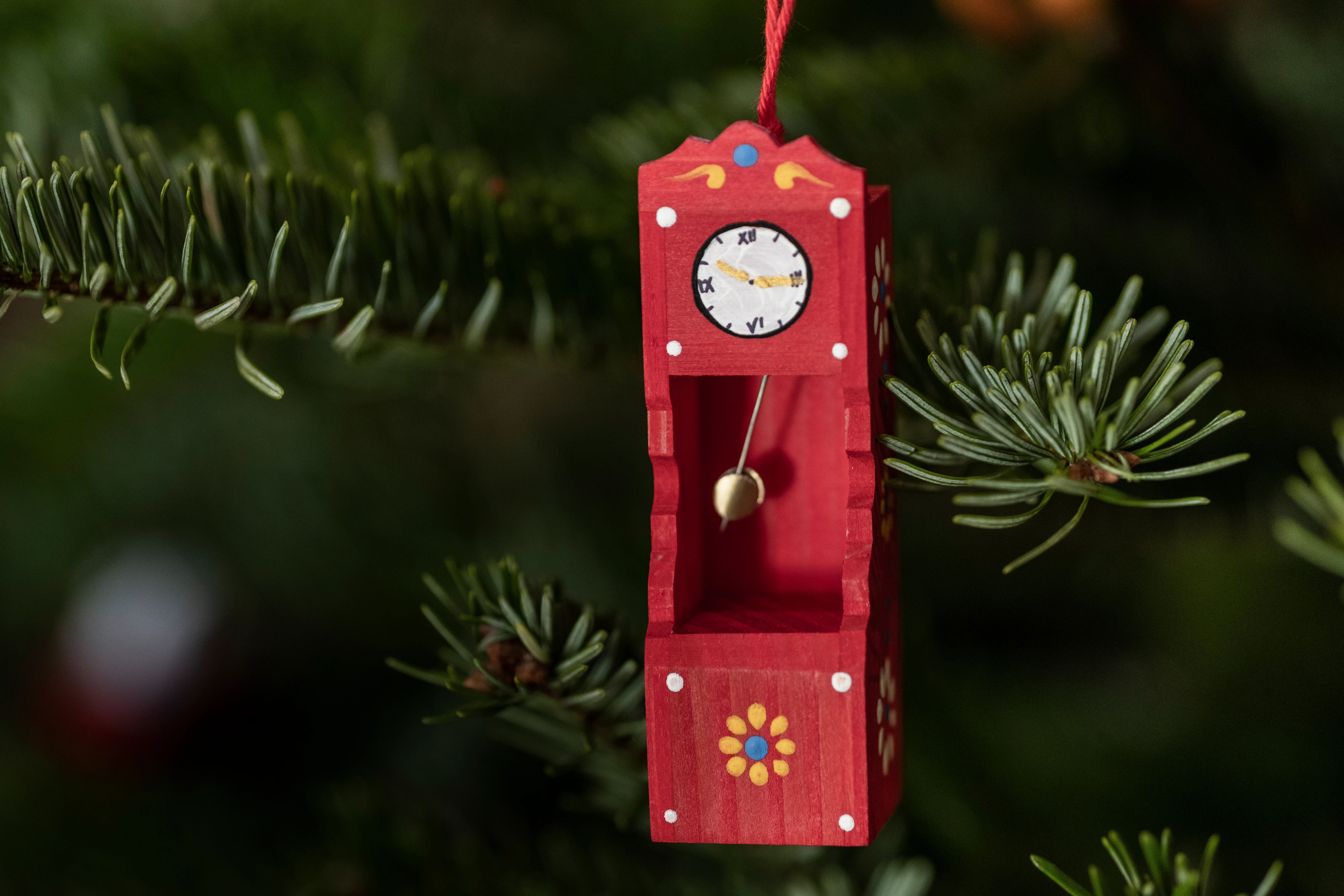
The region’s most famous craft is Berchtesgadener War: handcrafted wooden pieces, carefully made and painted—then as now—with great attention to detail.

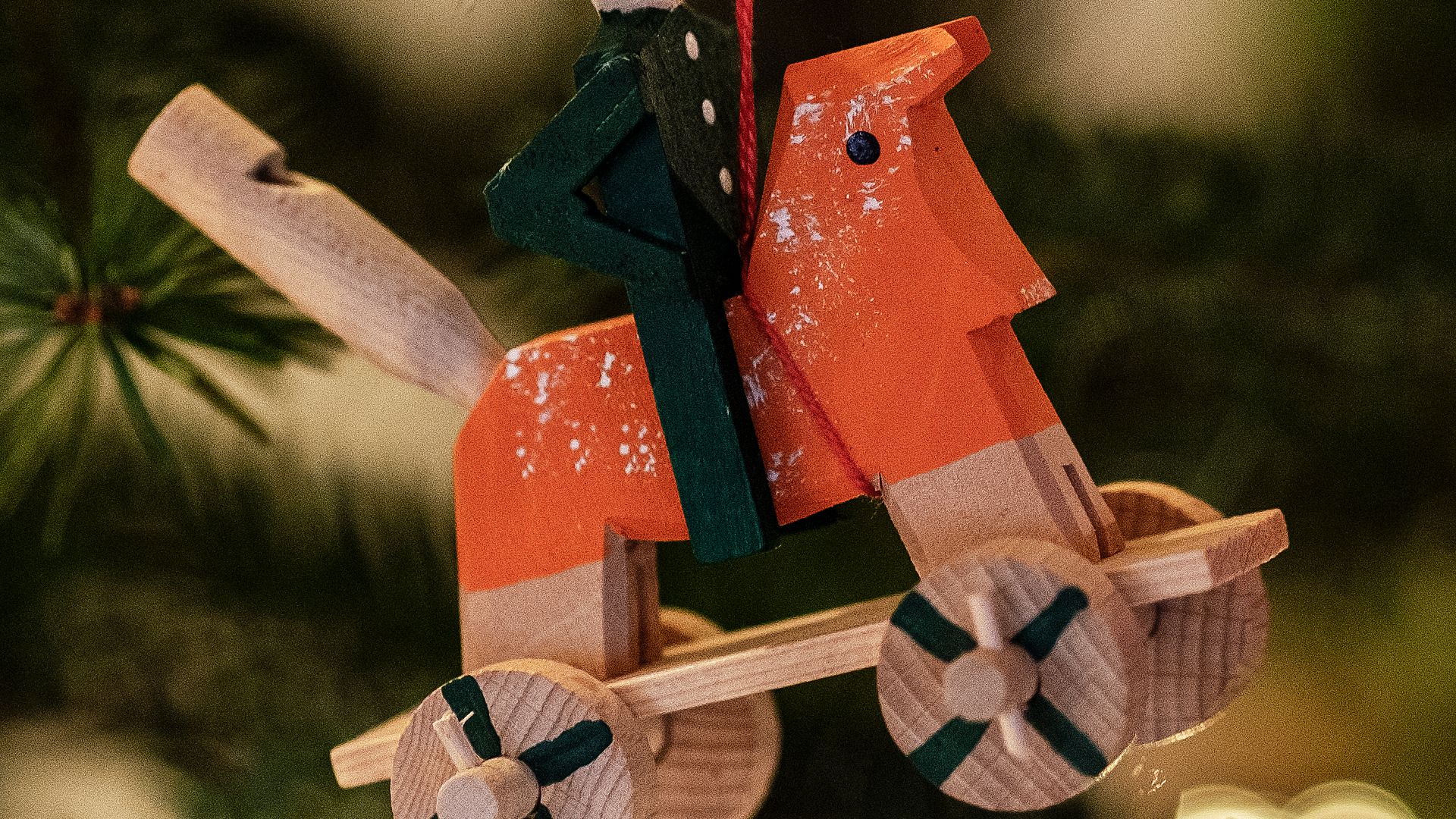
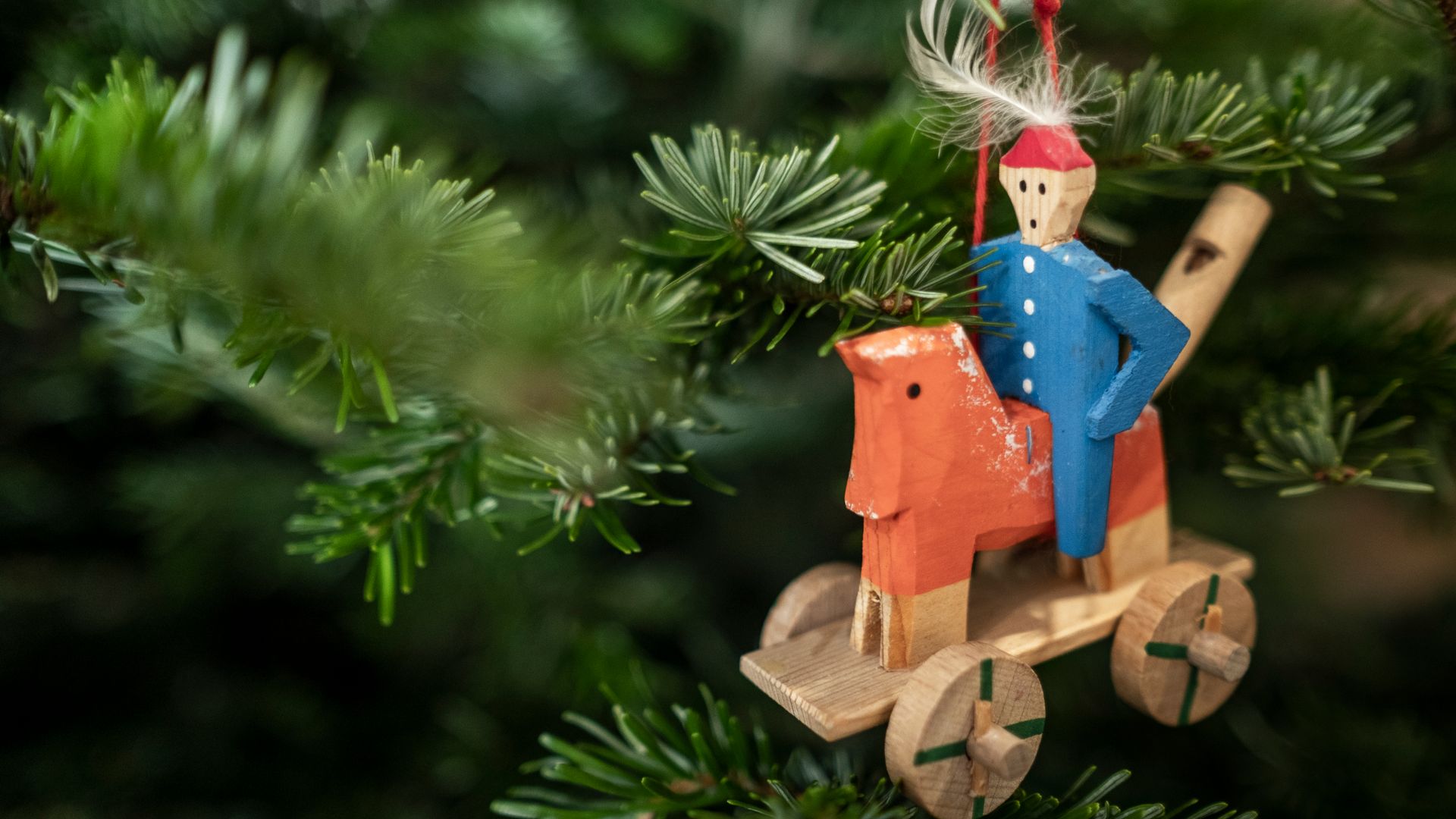
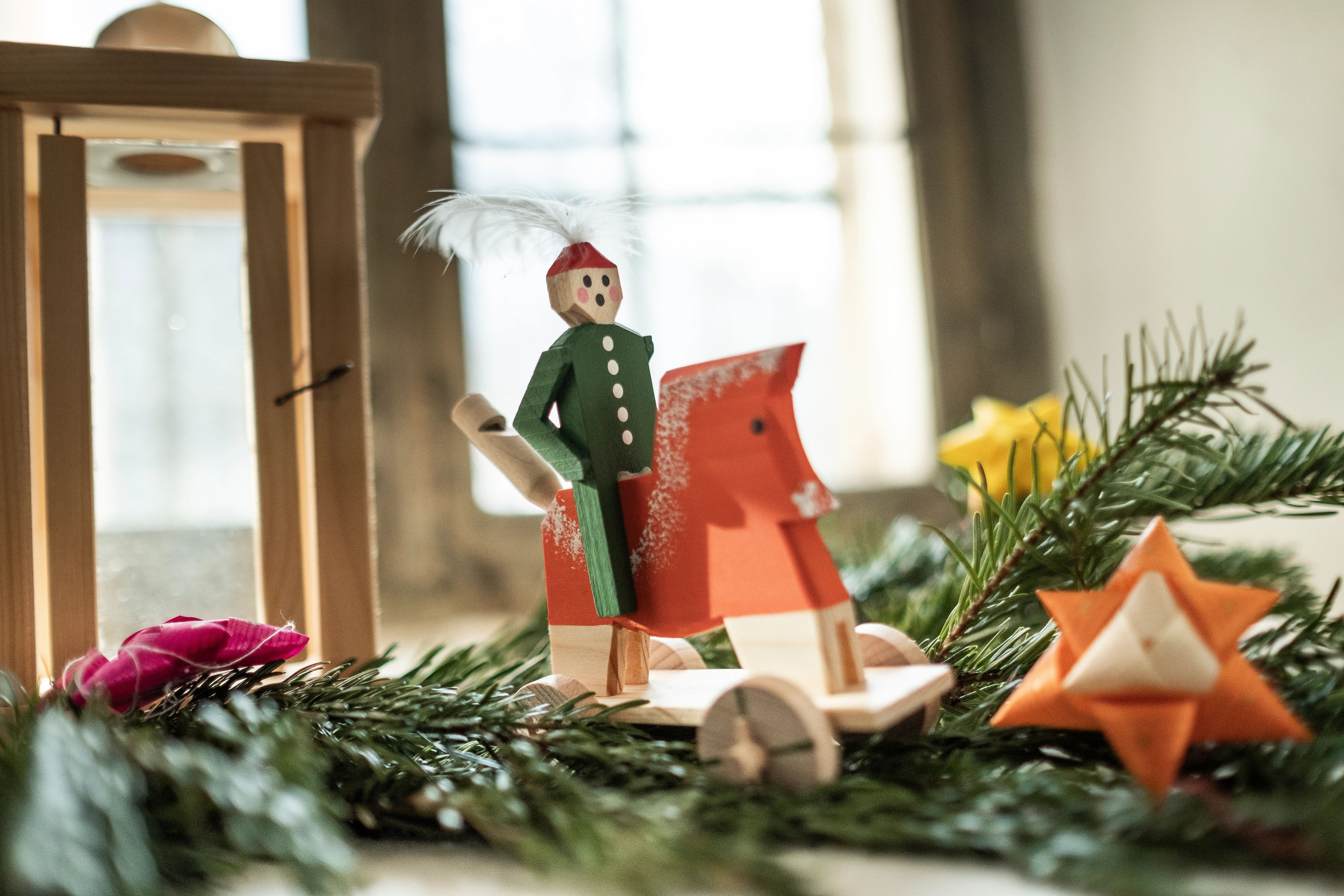
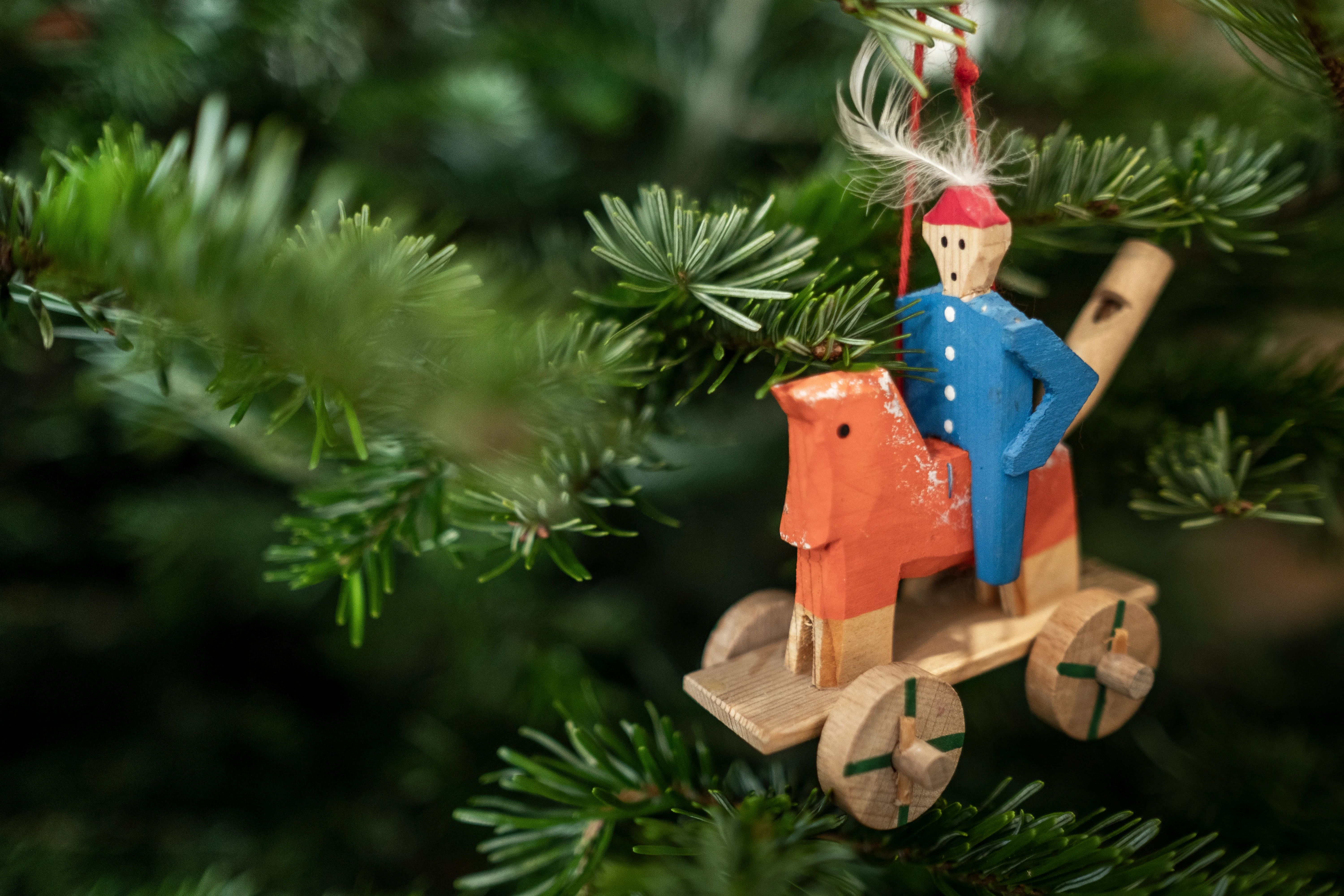
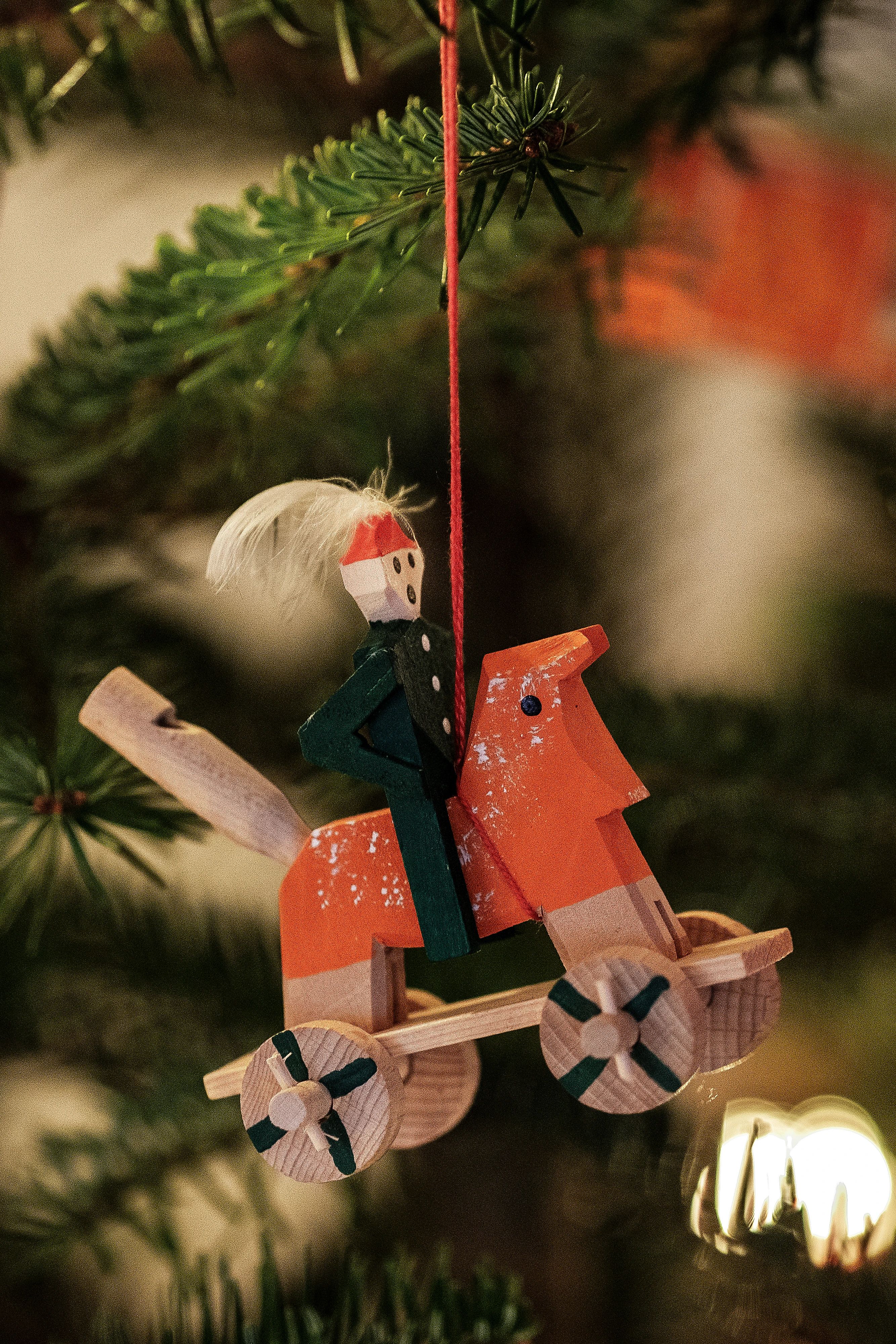
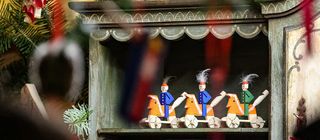
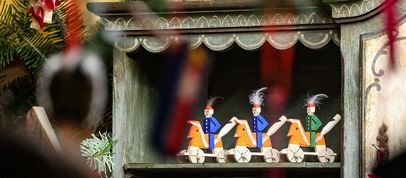
Among them are the Arschpfeifenrössl—small wooden horses with a built-in whistle—traditional pieces of craftsmanship that today decorate the Berchtesgaden Christmas tree in miniature form.

Chip boxes, wooden toys, and musical instruments

Berchtesgadener War

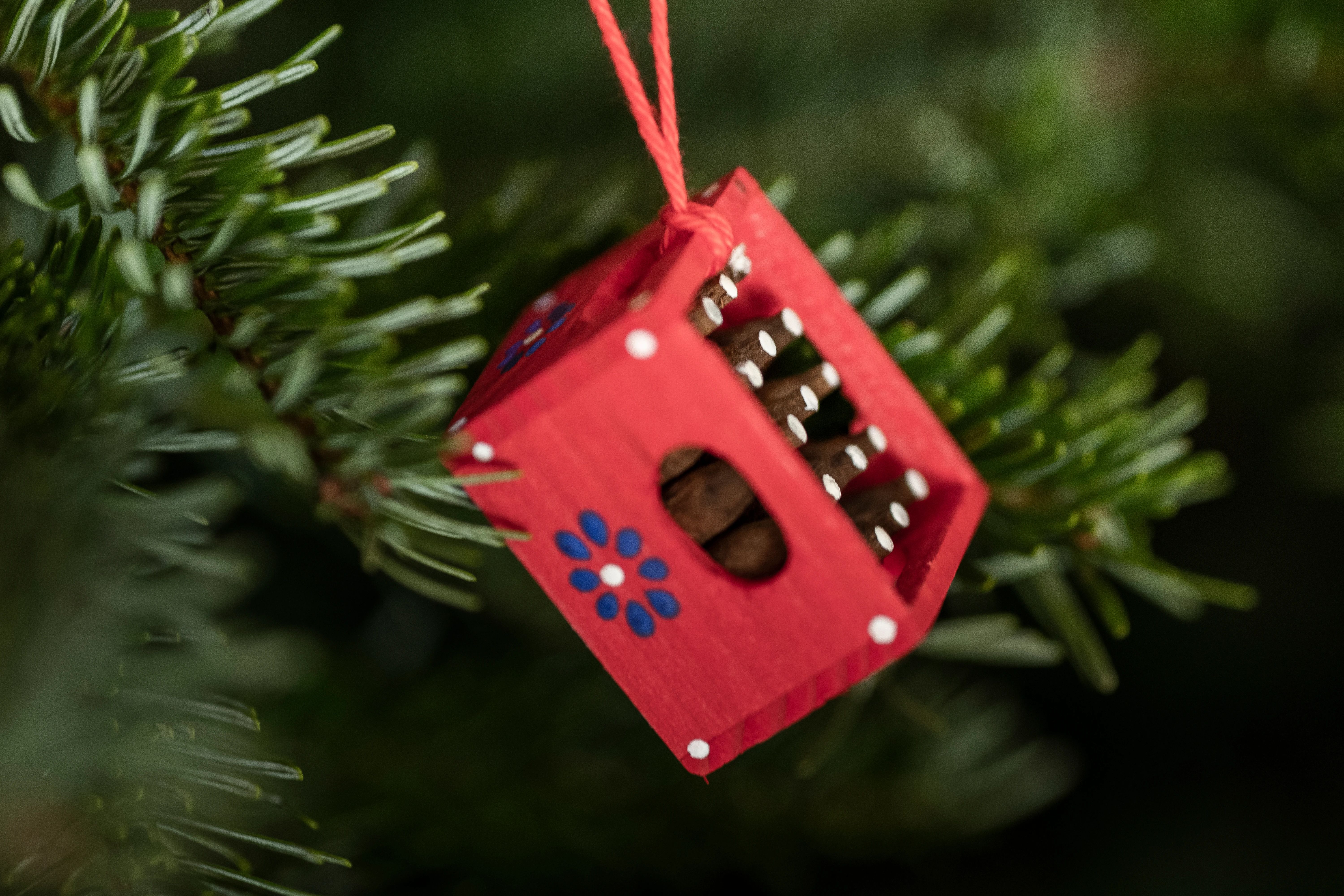
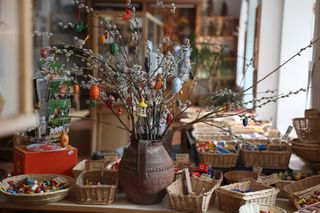
Hand-painted chip boxes, household items, and wooden toys — these traditional products became known as the Berchtesgadener War. During the winter months, poor farming families in Berchtesgaden crafted them as a vital source of extra income. Once the snow melted, traveling peddlers carried the goods on foot across the Alps — south to Venice and north to Munich, Nuremberg, and Regensburg. Among them, Anton Adner became the most famous. These handmade goods were inexpensive everyday items. What mattered was not the countless hours of labor, but the cost of materials — and wood was plentiful in the region.

Until the early 19th century, merchants purchased the Berchtesgadener War. Peddlers such as Anton Adner from the Prince-Provostship of Berchtesgaden carried it to the cities and neighboring regions, thereby providing the local population with a source of supplementary income that was essential for their survival.

In 1805, as many as 641 woodworkers were still carving and turning these traditional products by hand. But only a few decades later, demand for this folk art declined sharply — due in part to the growing popularity of tin toys.

The Arschpfeifenrössl

The Arschpfeifenrössl or Oaschpfeifirössl—Bavarian dialect for “butt whistling horse”—was once the top export of the Prince-Provostry of Berchtesgaden, which existed as an independent ecclesiastical state until 1810. Many farmers and salt mine workers earned extra income through simple wood carving and craftsmanship, which later became known as Berchtesgadener War.

Originally created as a toy, it has enjoyed a revival since the early 20th century as a Christmas ornament. Since 2010, the Arschpfeifenrössl has also become a symbol of the Berchtesgaden Advent.

The Berchtesgadener War "Kraxe" at Museum Schloss Adelsheim

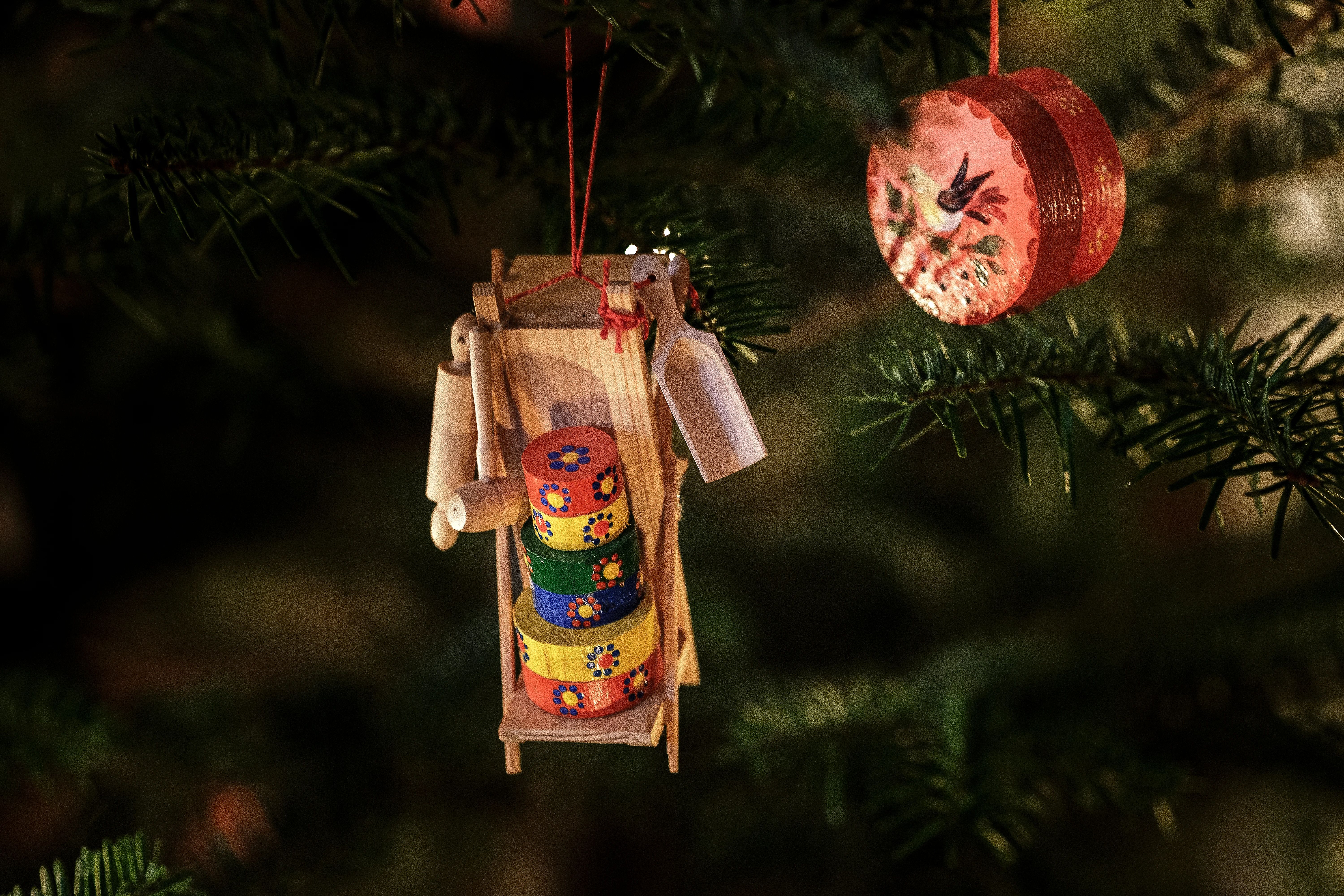
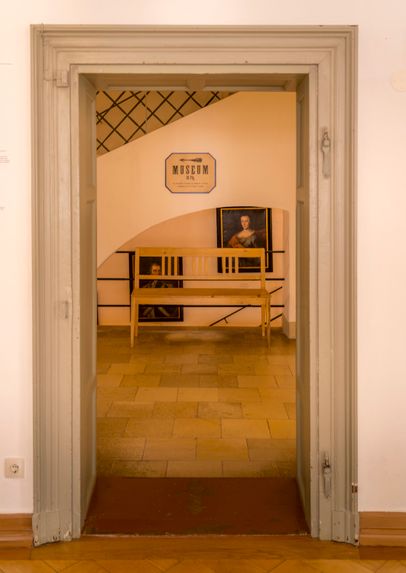
At Museum Schloss Adelsheim, the local history museum, you can admire a historic Kraxe, a fully loaded carrier frame dating back around 80 years. It is filled with traditional wooden boxes once used to store clothing, hats, traditional jewelry, and food. Plain, undecorated boxes were mainly used for food, while clothing and jewelry were kept in elaborately hand-painted ones. Their most important purpose? Protecting valuable belongings from mice.

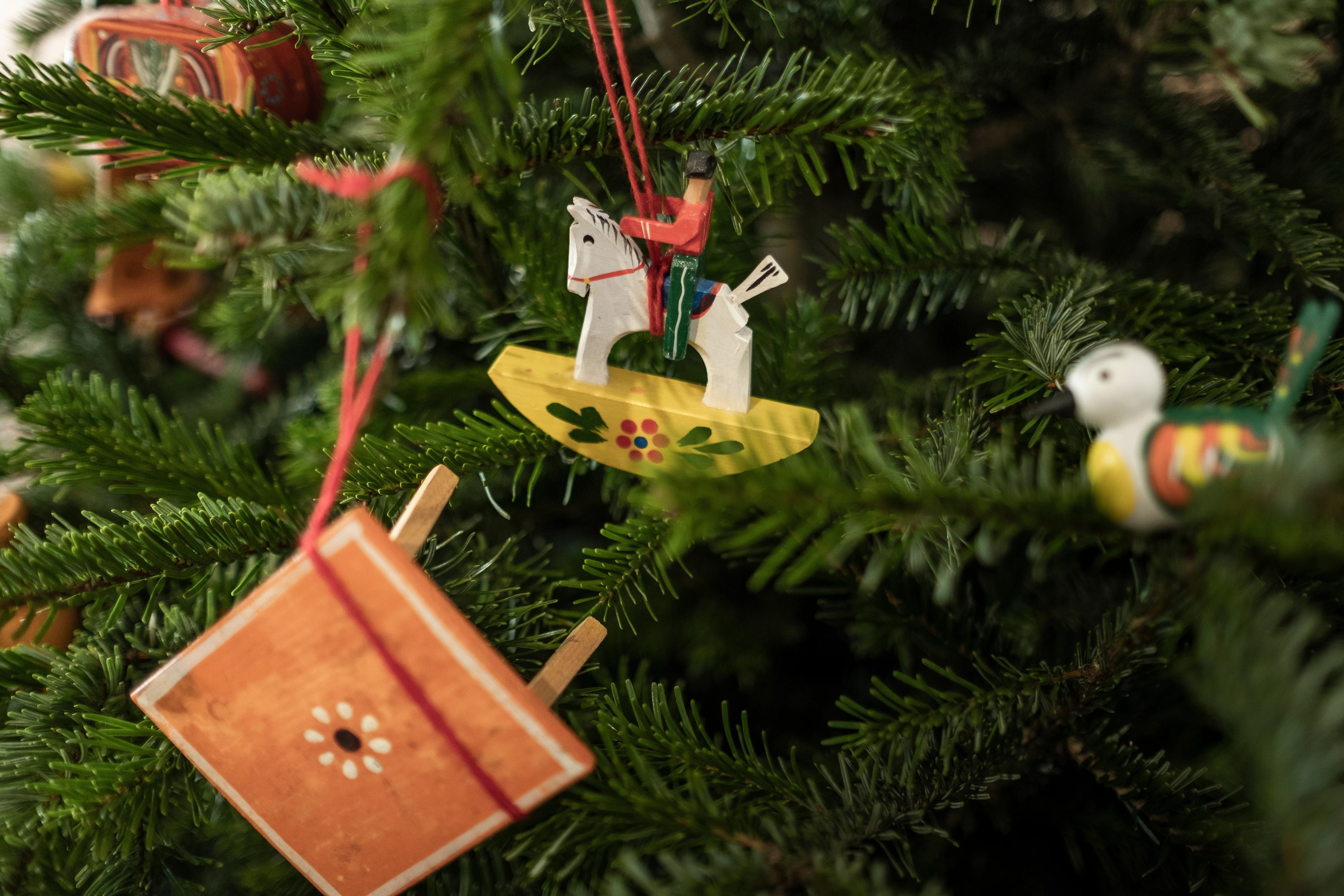
The museum also features a wide variety of traditional household items such as wooden cooking spoons, butter crocks, and wooden whisks, along with handcrafted children’s toys: Arschpfeifenrössl, bells, little wooden birds, rocking riders, dolls, chicken ladders, rattles, cricket houses, and much more.

Berchtesgaden Christmas tree

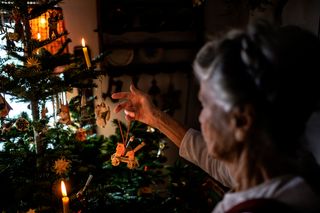
In the past, there were no Christmas trees in the living rooms of ordinary people. It wasn’t until the early 20th century that artists in Berchtesgaden came up with the idea of hanging wooden toys on a small spruce tree to preserve local craftsmanship. The Berchtesgaden Christmas tree was born. 

Discover Berchtesgaden craftsmanship

  • Berchtesgadener Handwerkskunst

    Berchtesgaden
    • Open today
  • Arschpfeifenrössl

    The Arschpfeifenrössl is one of Berchtesgaden’s most iconic wooden folk art pieces, which has also become a symbol of the Berchtesgaden Advent.