

Priesbergalm
Pure idyll above Lake Königssee- Schönau a. Königssee
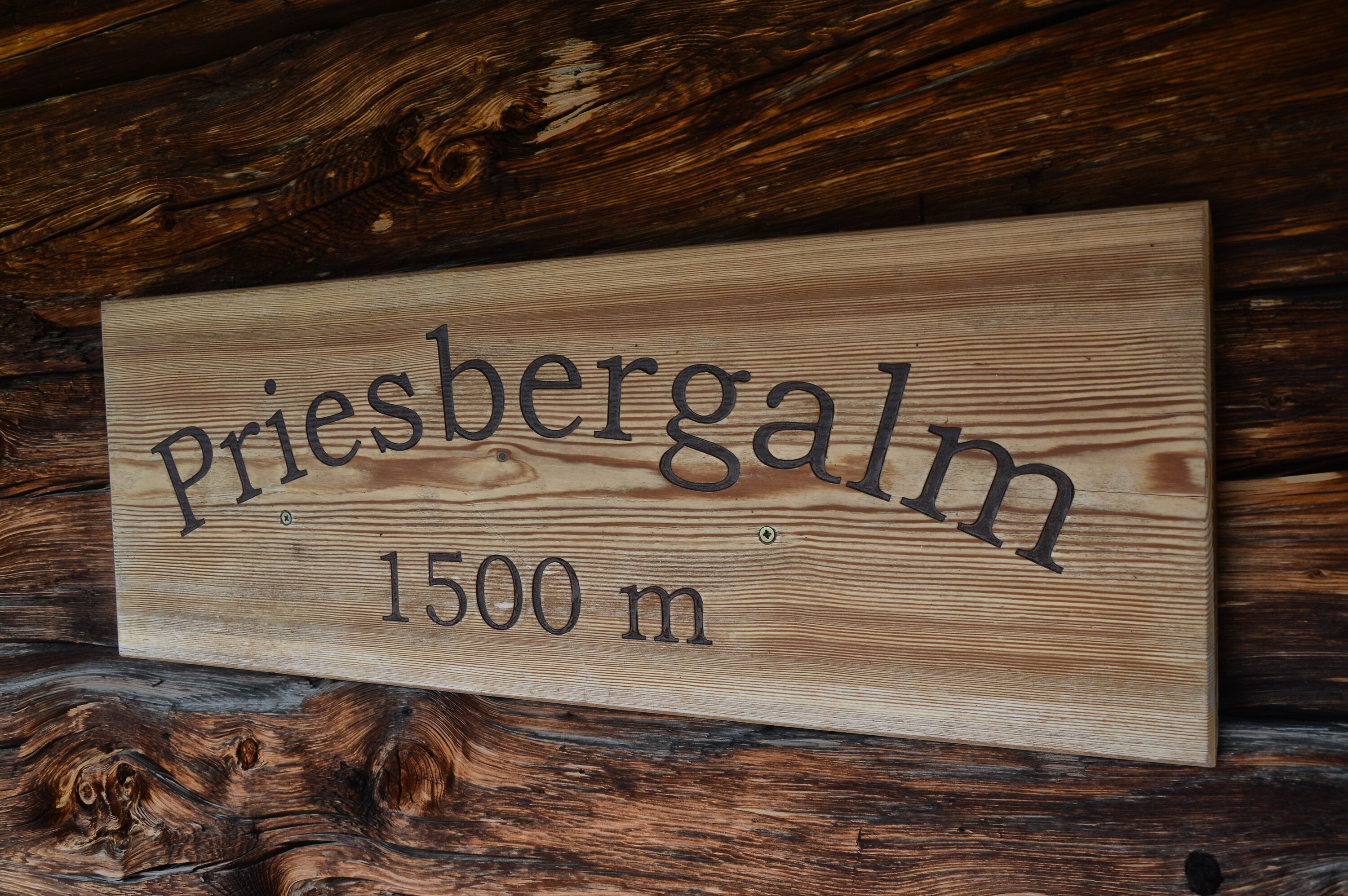
- 1500m
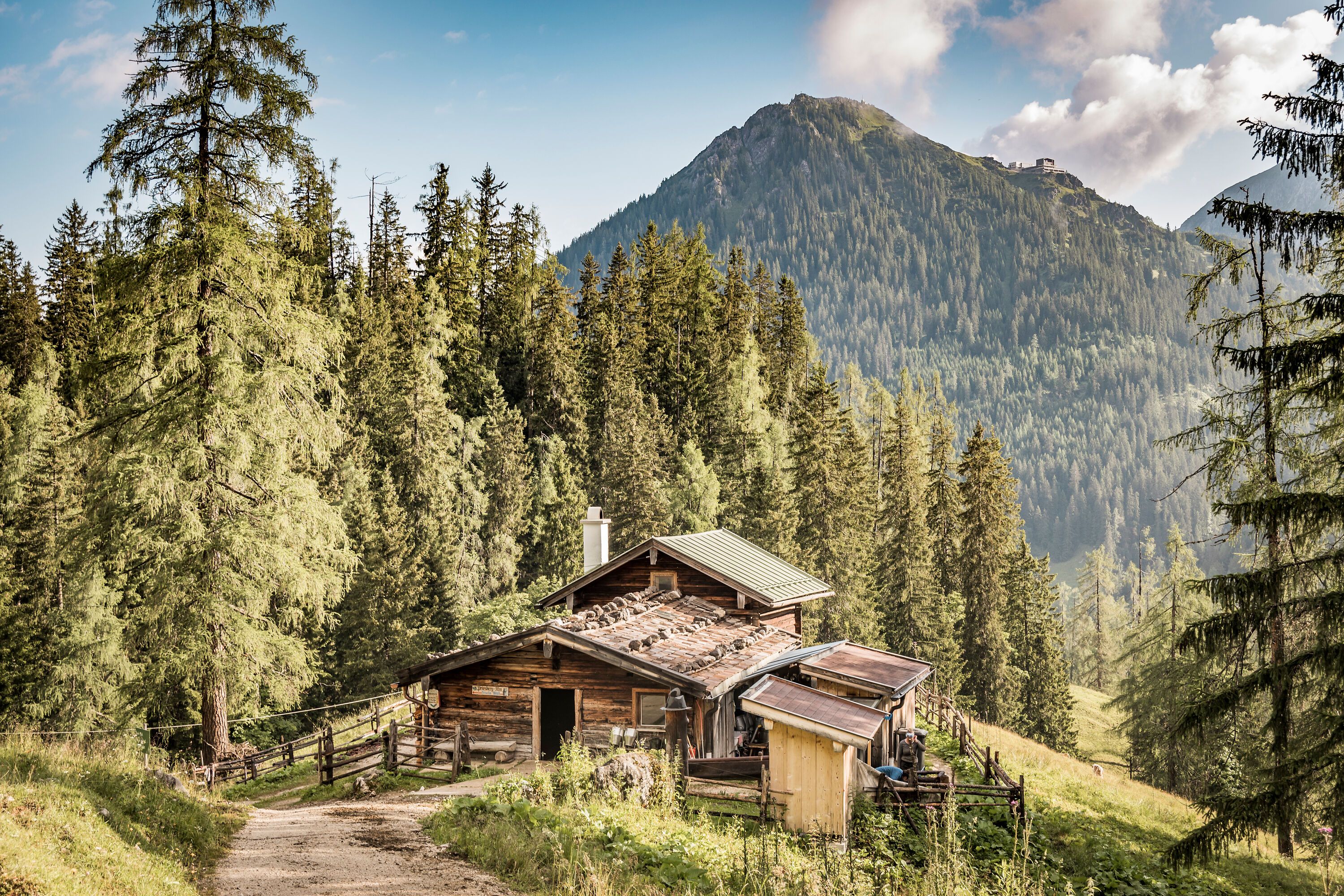
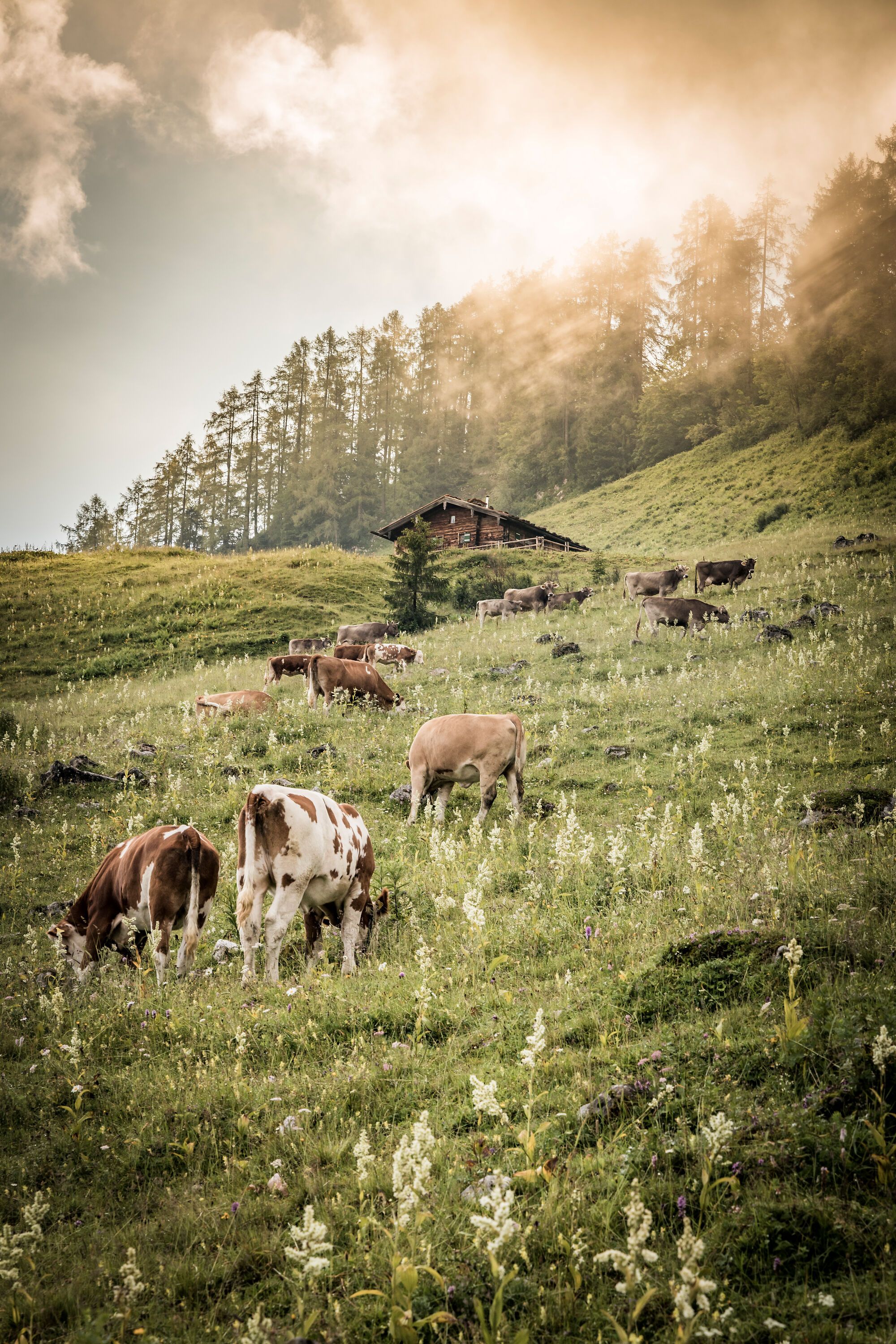
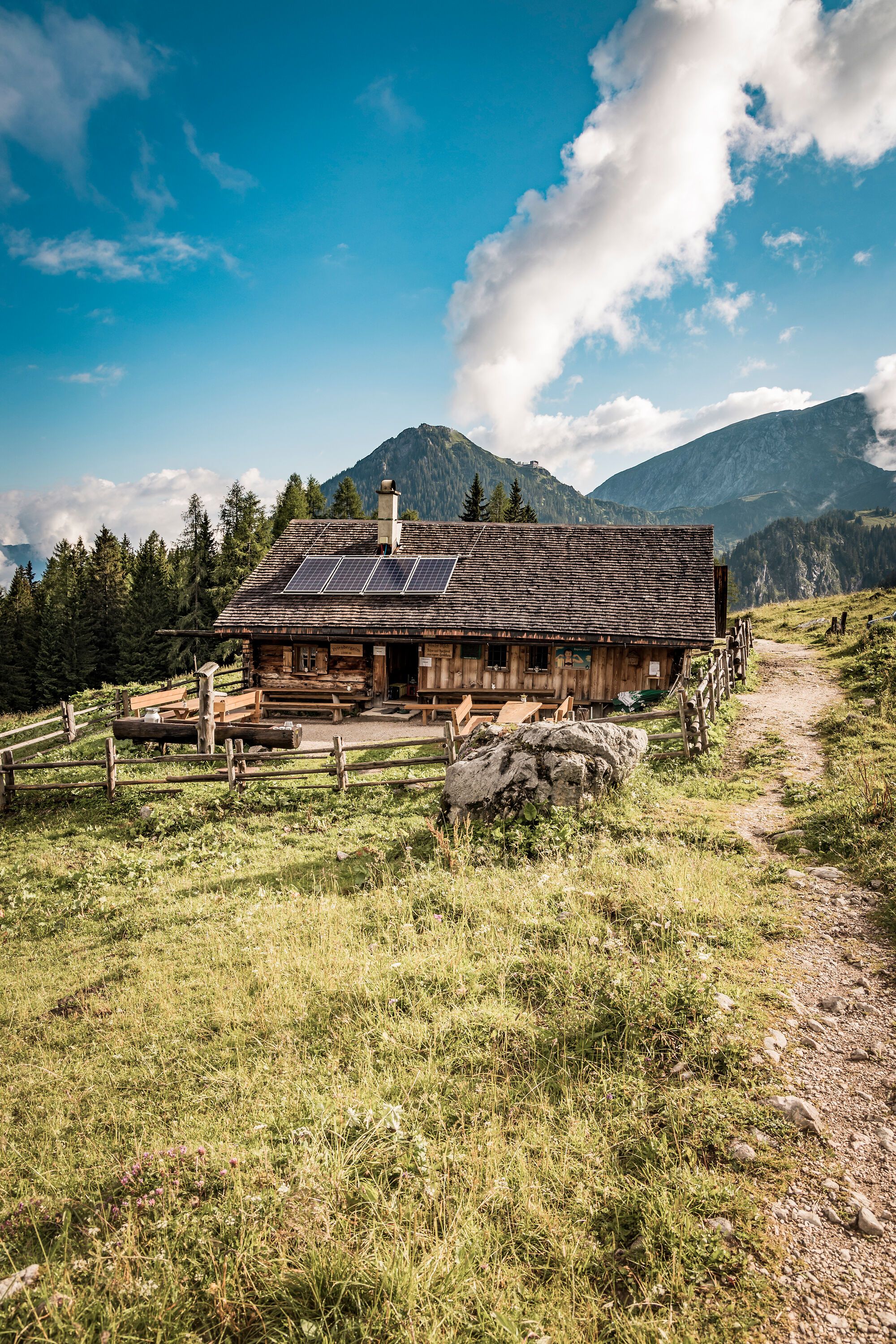
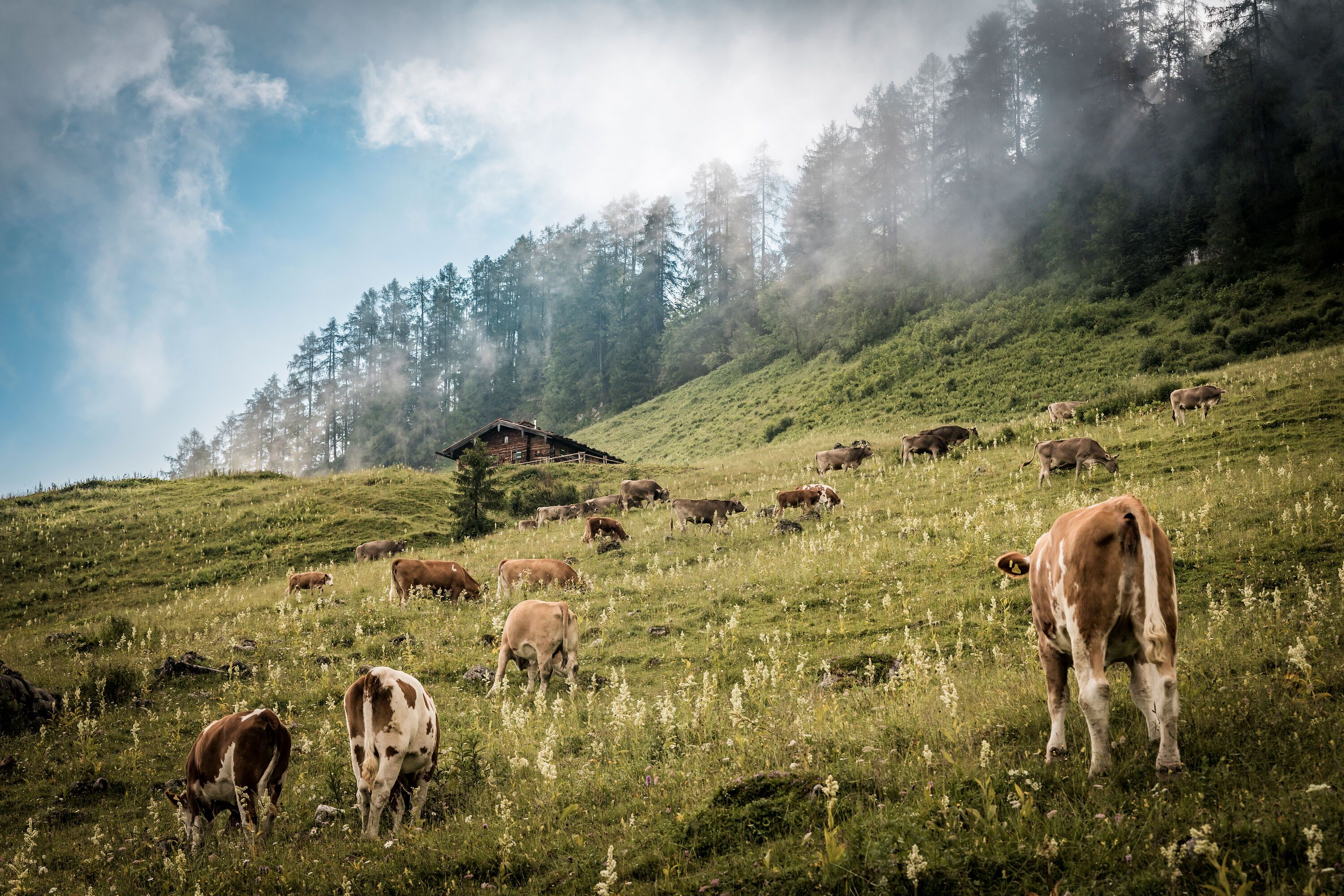
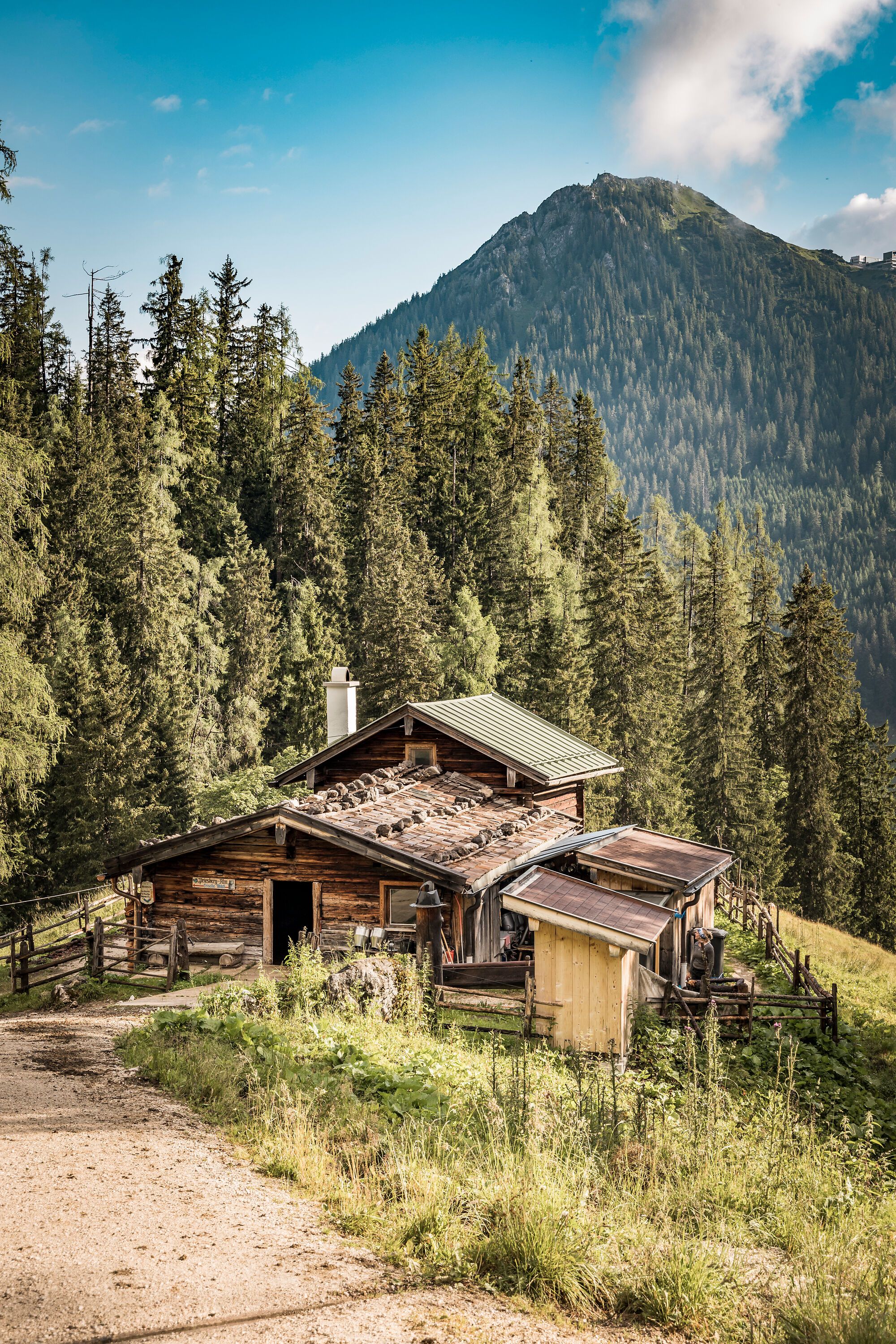
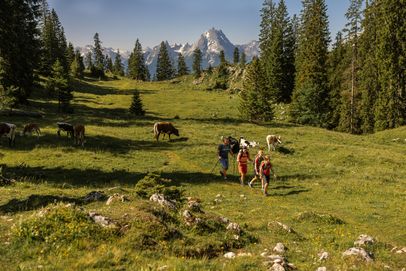
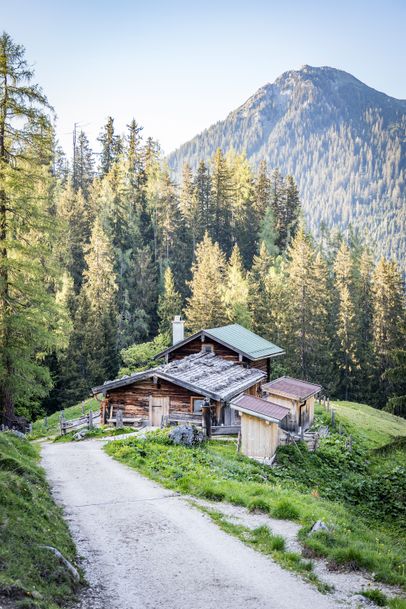
Priesbergalm stretches from 1,330 to more than 1,500 meters above sea level on the mountainsides above Lake Königssee, near Jenner.
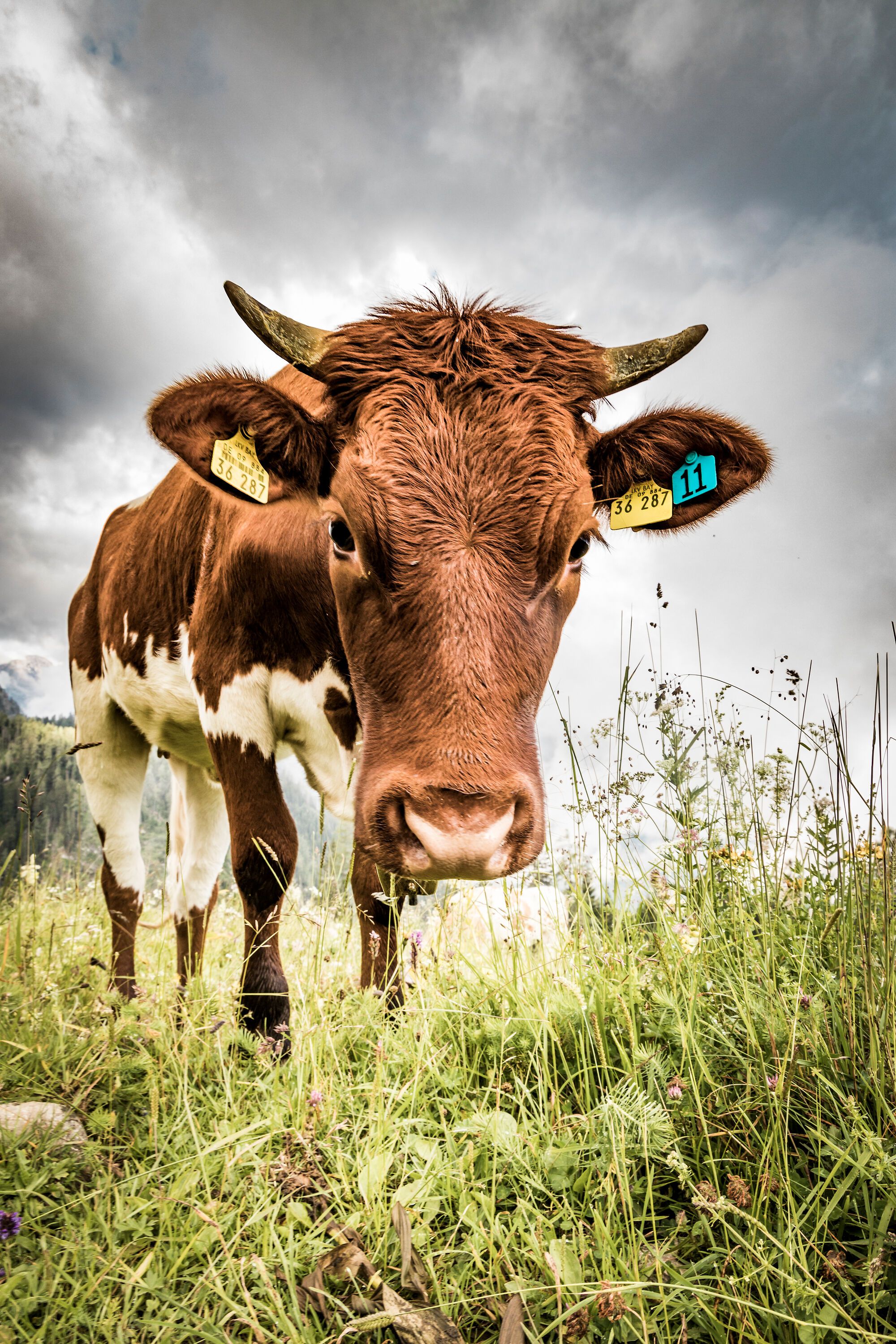
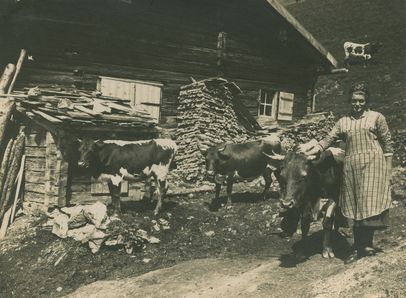
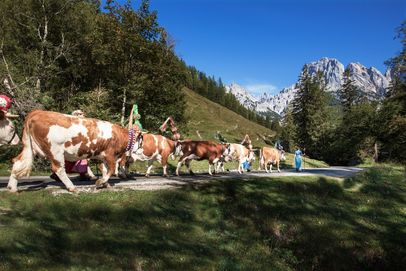
Priesbergalm is a high alpine pasture, meaning it is grazed only during the height of summer. At the beginning and end of the grazing season, the livestock remain on the lower alpine pasture at Königsbachalm.
Easy to reach from Jenner
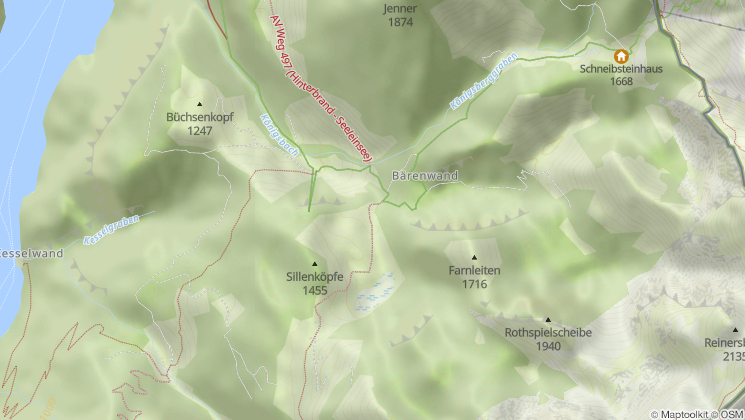
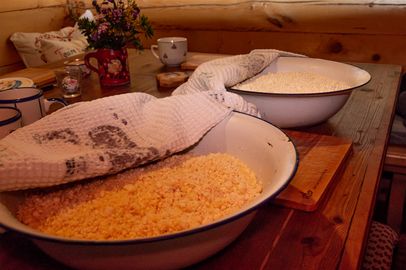
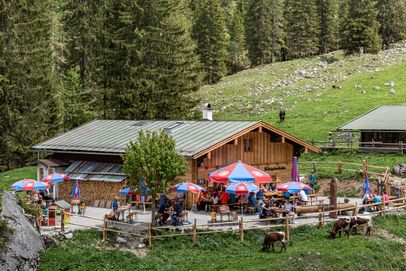
Follow the well-maintained Königsweg trail from the Hinterbrand parking area, and you'll reach Priesbergalm in about two hours. If you prefer a shorter hike, take the Jennerbahn to either the mid-station or the summit station and continue on foot from there. Once you arrive, treat yourself to a traditional alpine snack featuring cheese made from the alpine pasture's own fresh milk.
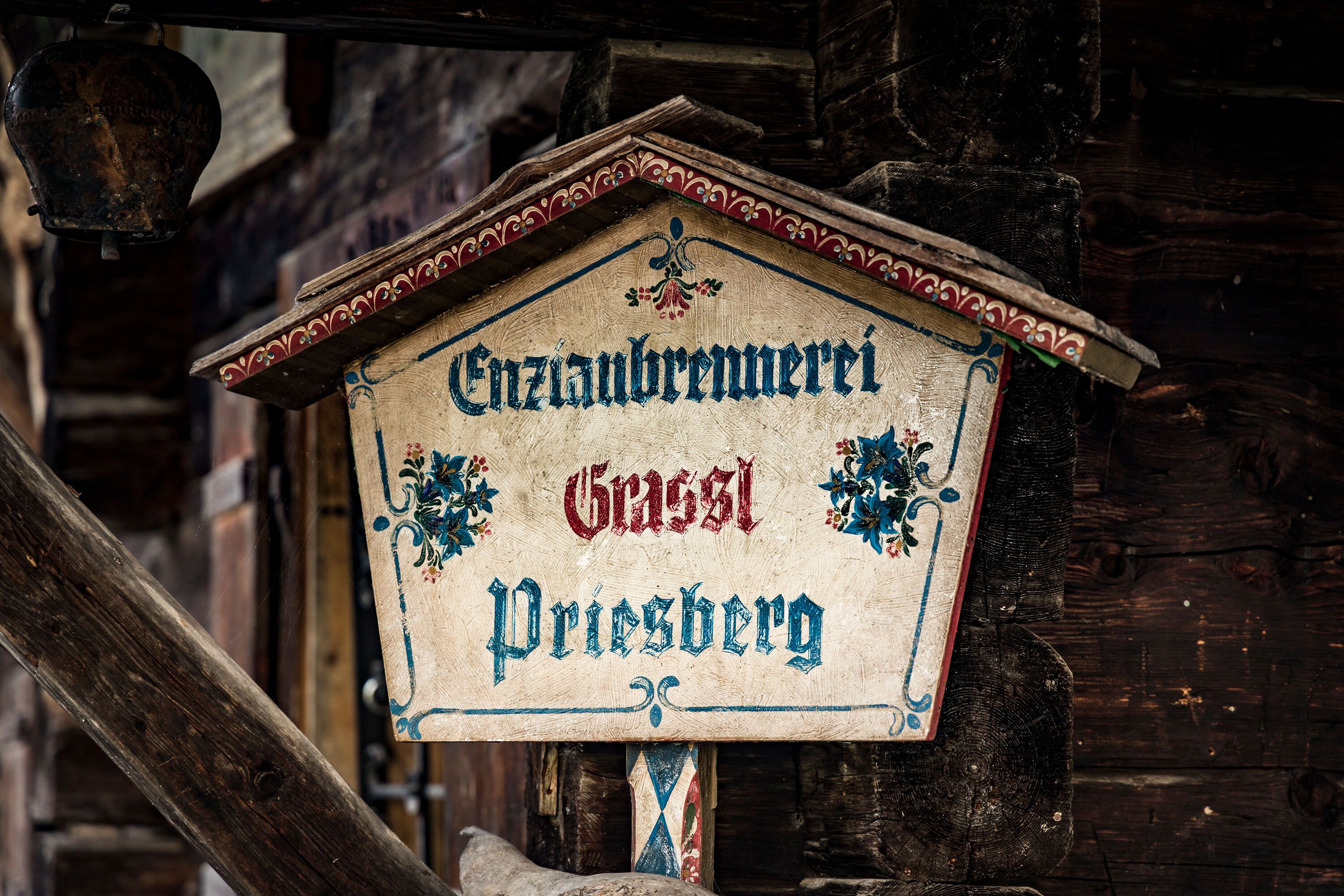
Grassl gentian distillery hut
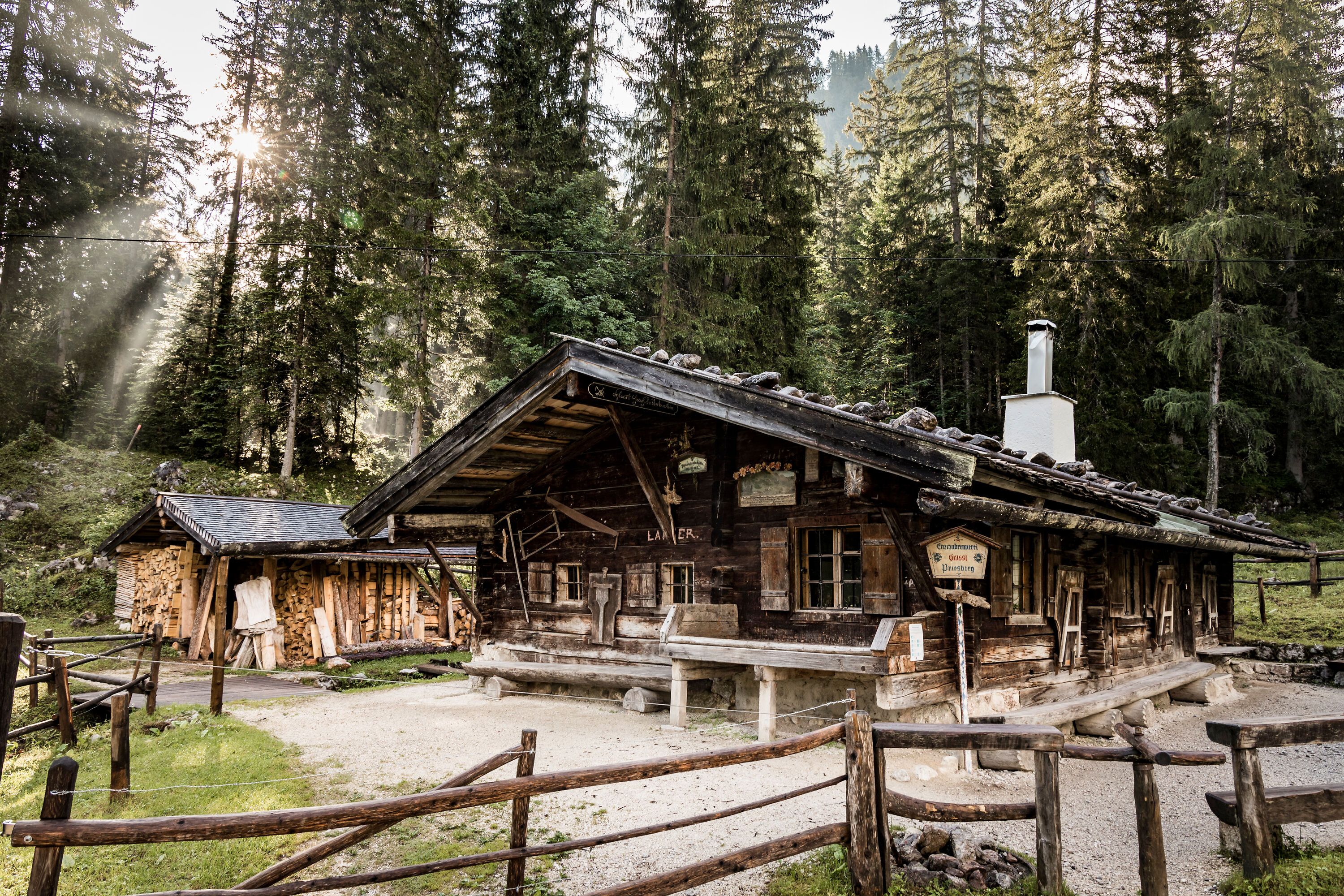
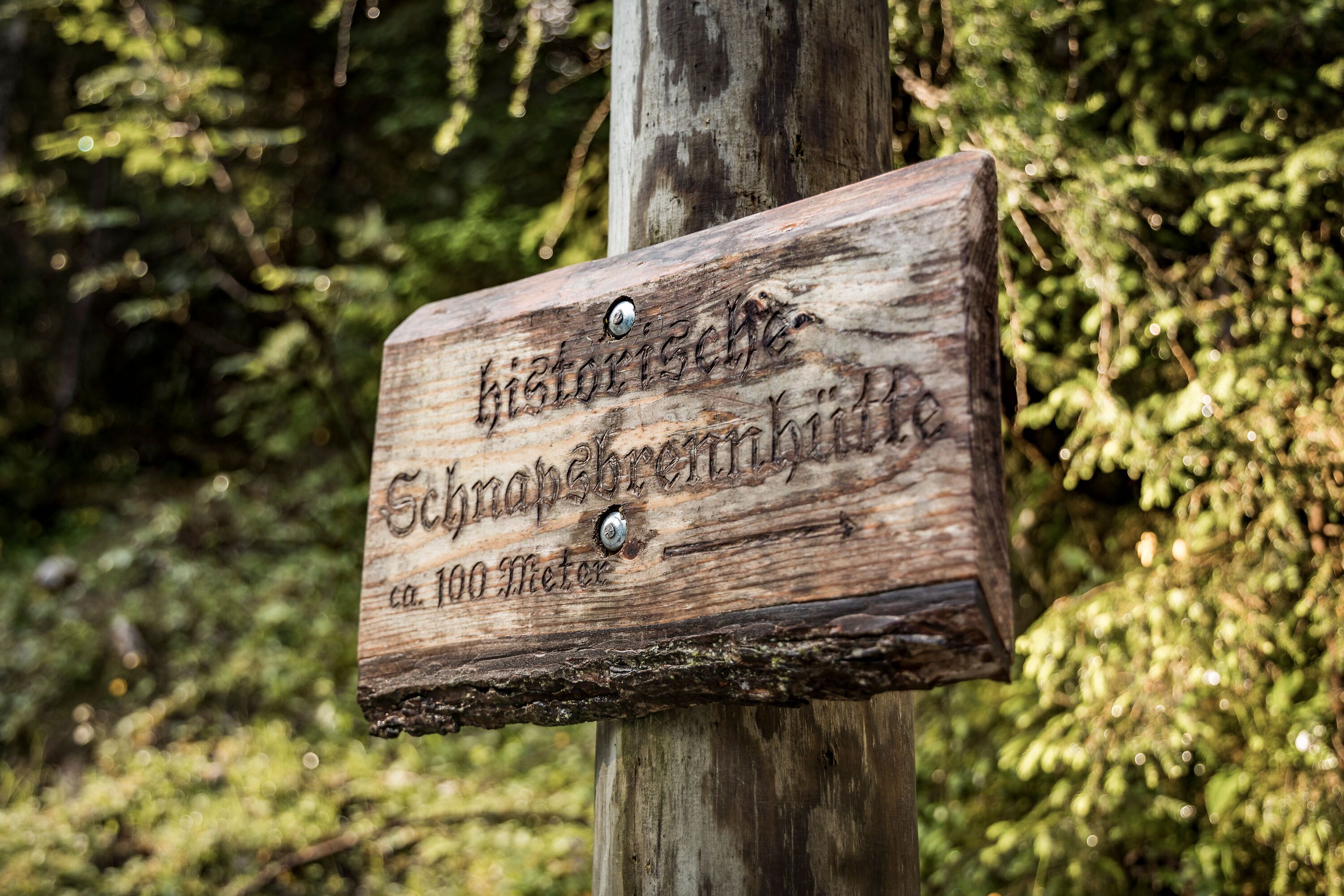
Just a few meters past Priesbergalm, you’ll discover the distillery hut of the Grassl gentian distillery. Here, gentian roots are still dug by hand; they’re then chopped, mashed, and distilled at the alpine pasture to produce the region's renowned mountain gentian spirit. Alpine distiller Max Irlinger spends most of the summer up here.
Beyond the distillery hut begins Priesbergmoos, a flat, marshy pasture that stretches below the traditional alpine huts.
A narrow trail at the far end of the pasture is an important route for hikers and mountaineers. From here, you can continue either along Unterer Hirschenlauf toward Gotzenalm or through Stiergraben toward Seeleinsee and Kahlersberg.
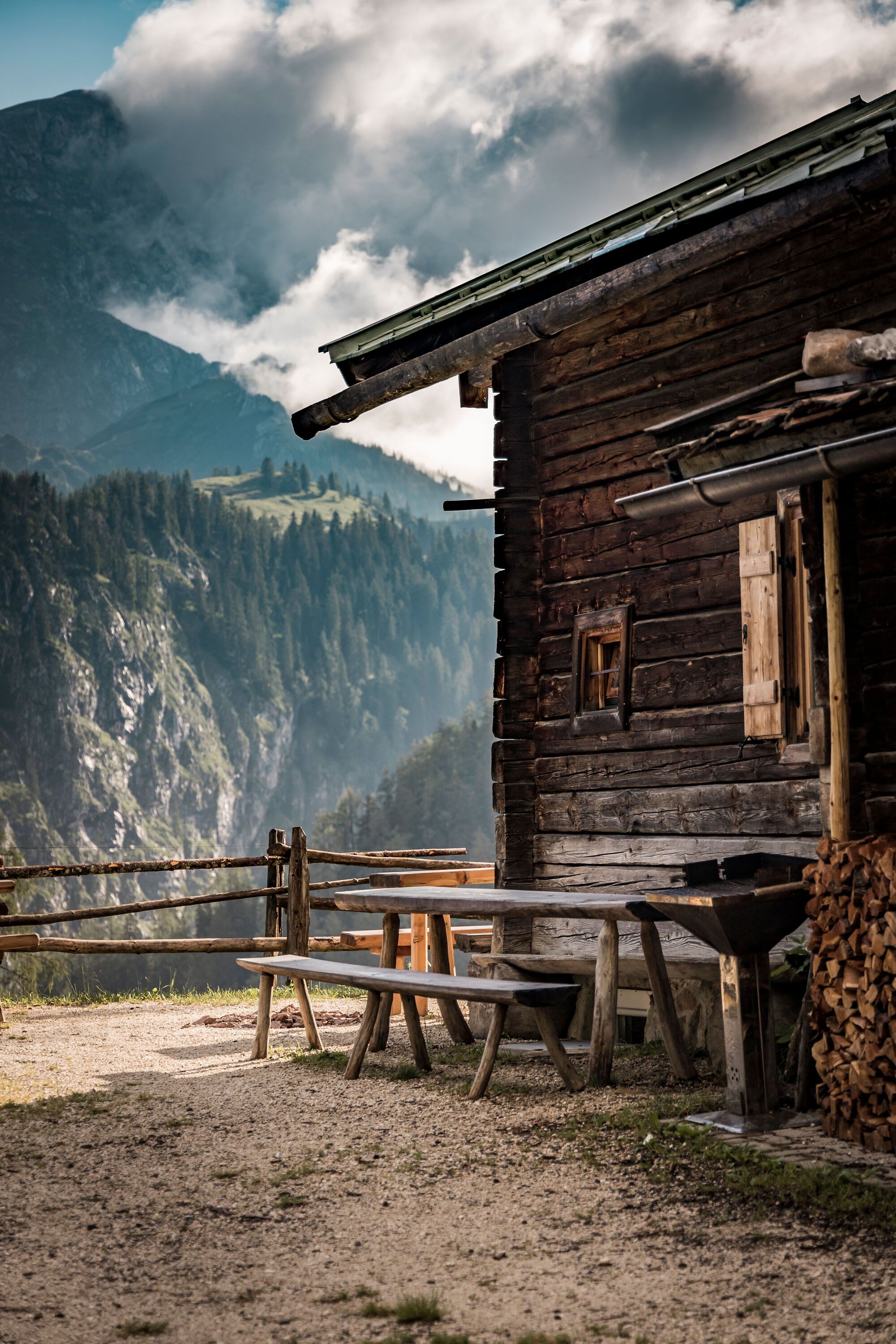
Priesbergalm is famous for its impressive view of the Watzmann East Face, which lies directly across from it. The rugged, 1,800-meter-high rock face forms a striking contrast to the gentle, green meadows of Hohe Roßfelder, which stretch above Priesbergalm and below Fagstein.
Mountain biking to Priesbergalm
Ride your mountain bike to the two eastern huts of Priesbergalm. This trail is open to cyclists. In Berchtesgaden National Park, you can recognize the open trails by the white signs with green lettering and symbols. They indicate the tour destinations, the distance, and the respective elevation gain. If you do not see the this official signage, cycling is prohibited in the national park—even if there is no “No Biking” sign. Violations are generally subject to fines in Berchtesgaden National Park.