

Kammerlingalm
Hillside alpine pasture at the foot of Kammerlinghorn- Closed now
- oberhalb des Hirschbichls
- 1290m
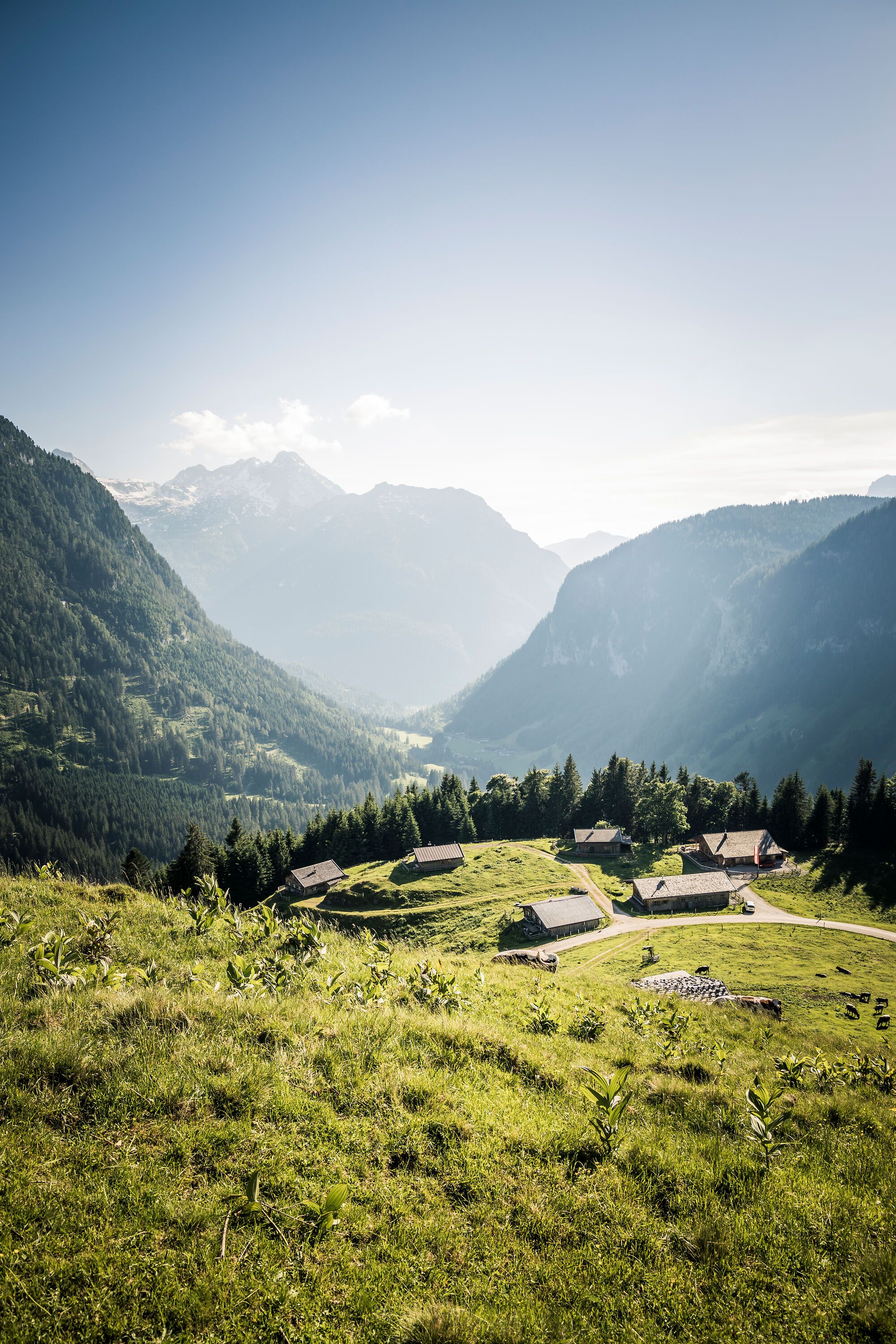
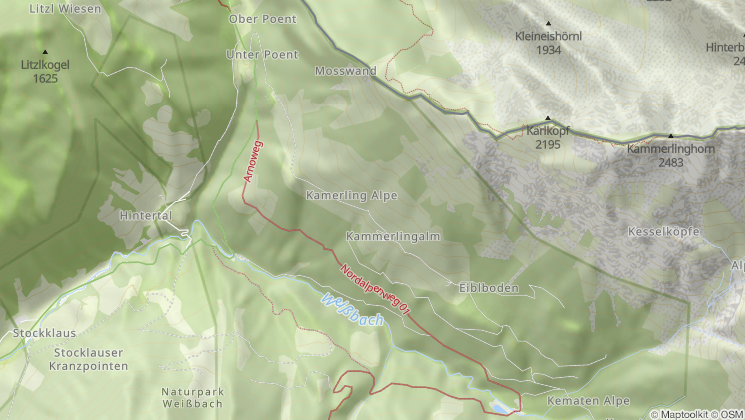
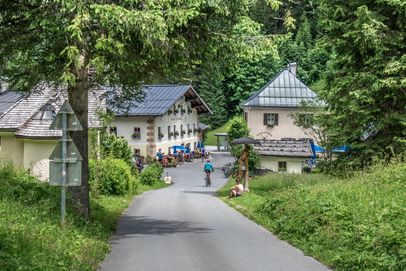
Tucked away above Hirschbichl Pass, the historic salt traders' pass between Bavaria and Austria, Kammerlingalm lies a little off the beaten path from the better-known Bindalm and Litzlalm. The pass is also home to Gasthaus Hirschbichl, the traditional mountain inn of the same name.
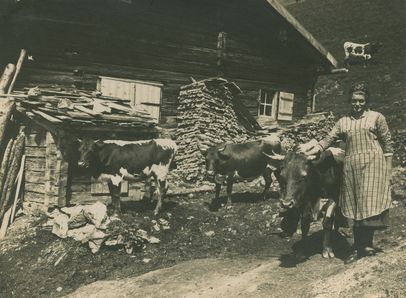
Austrian and Ramsau farming families
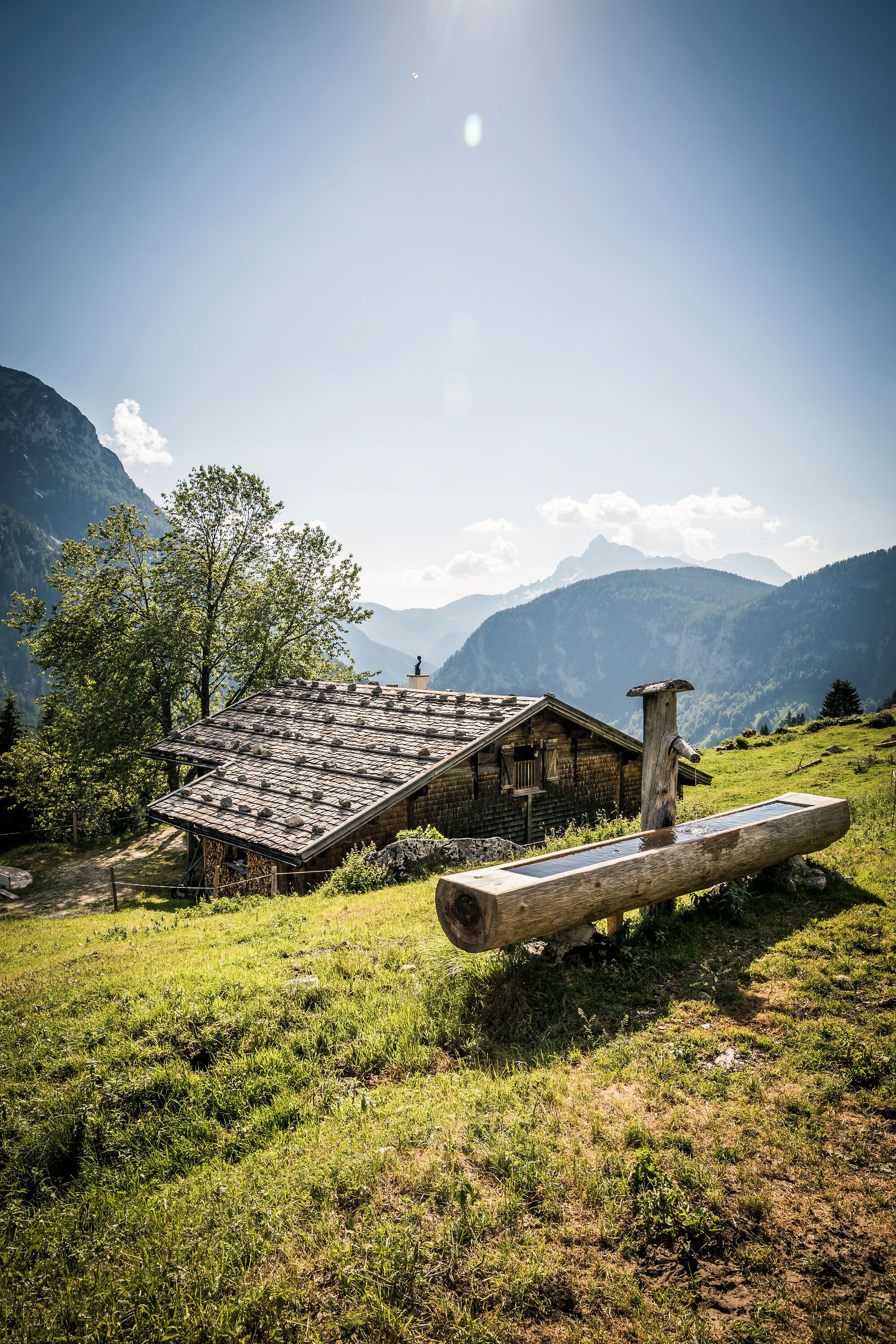
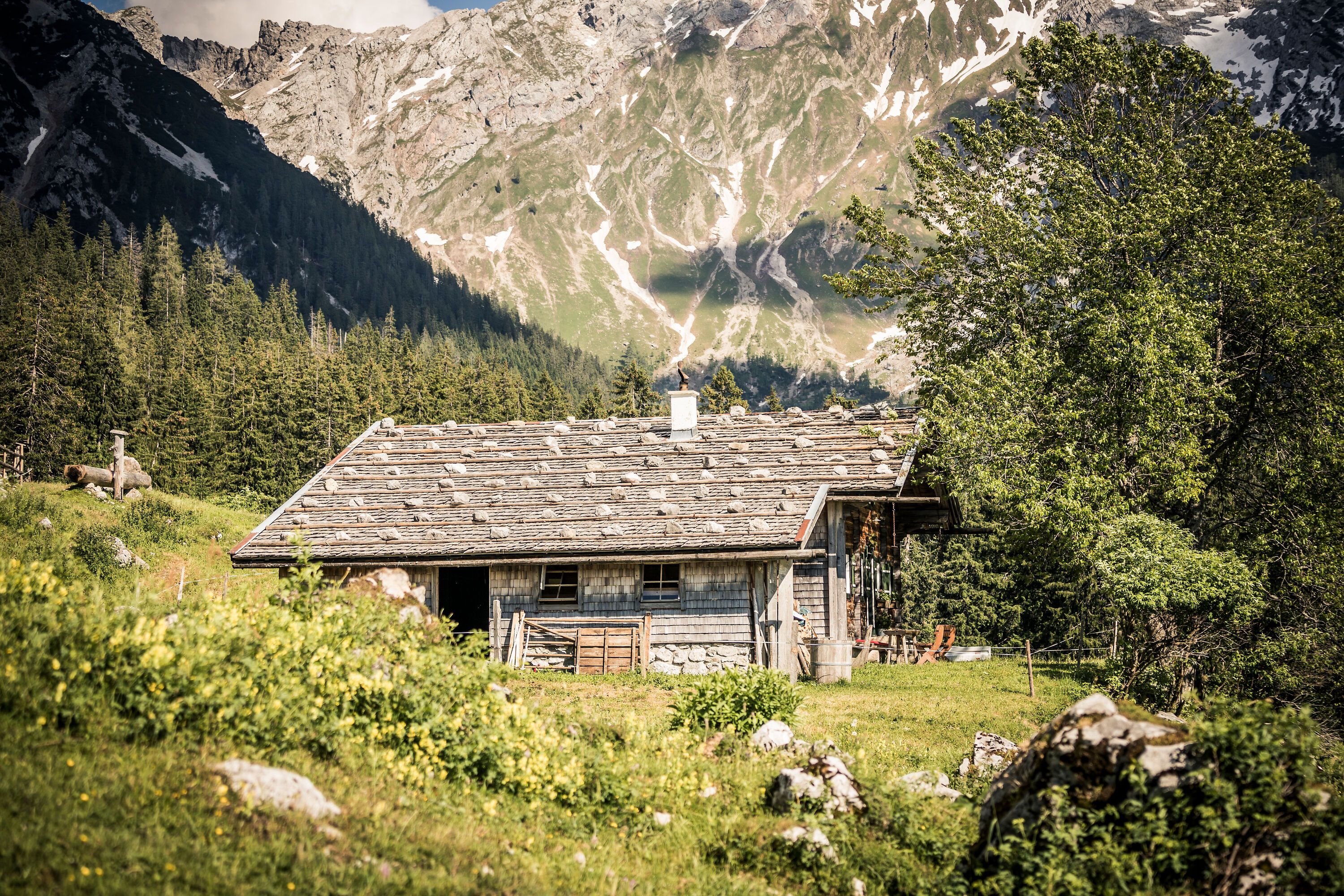
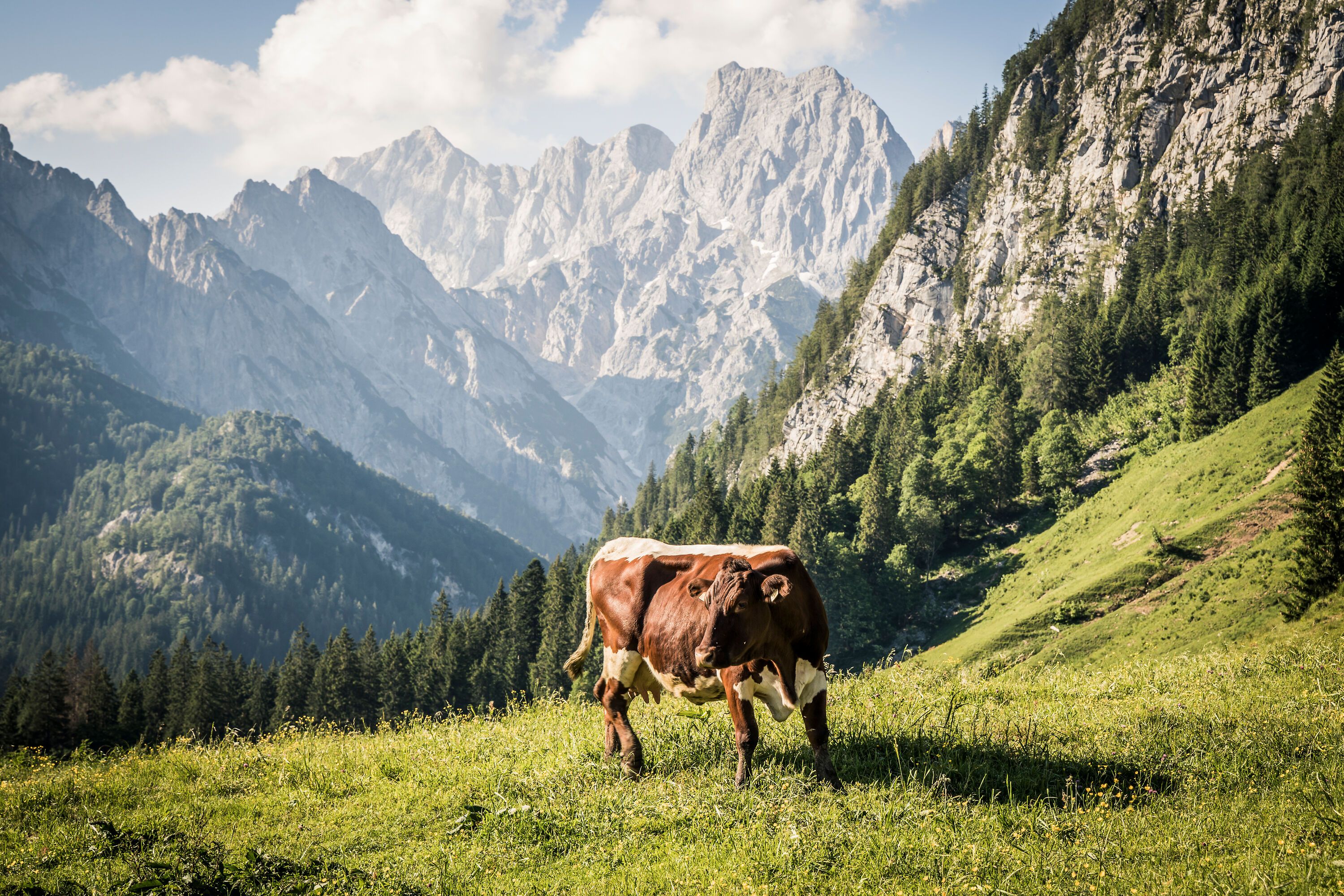
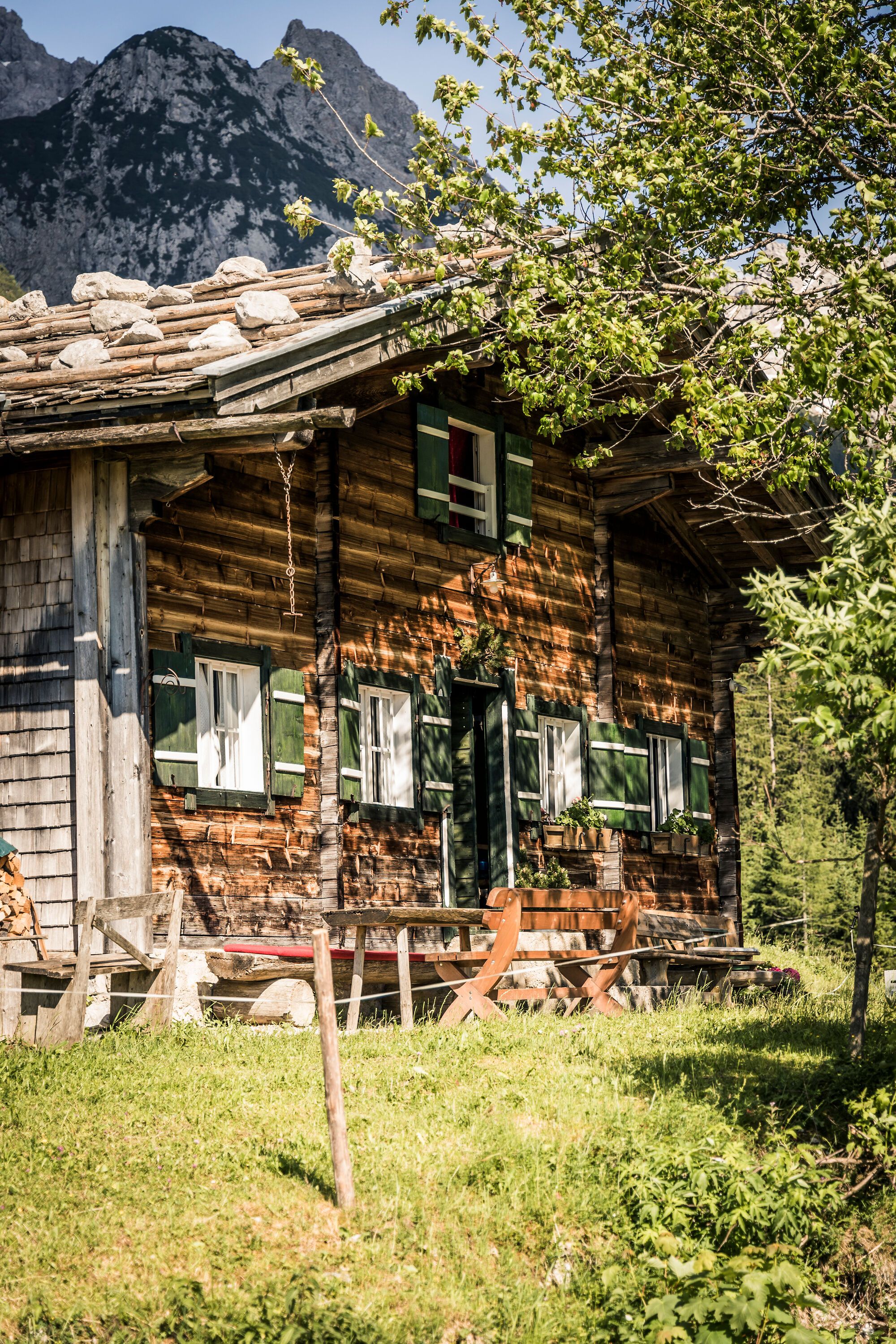
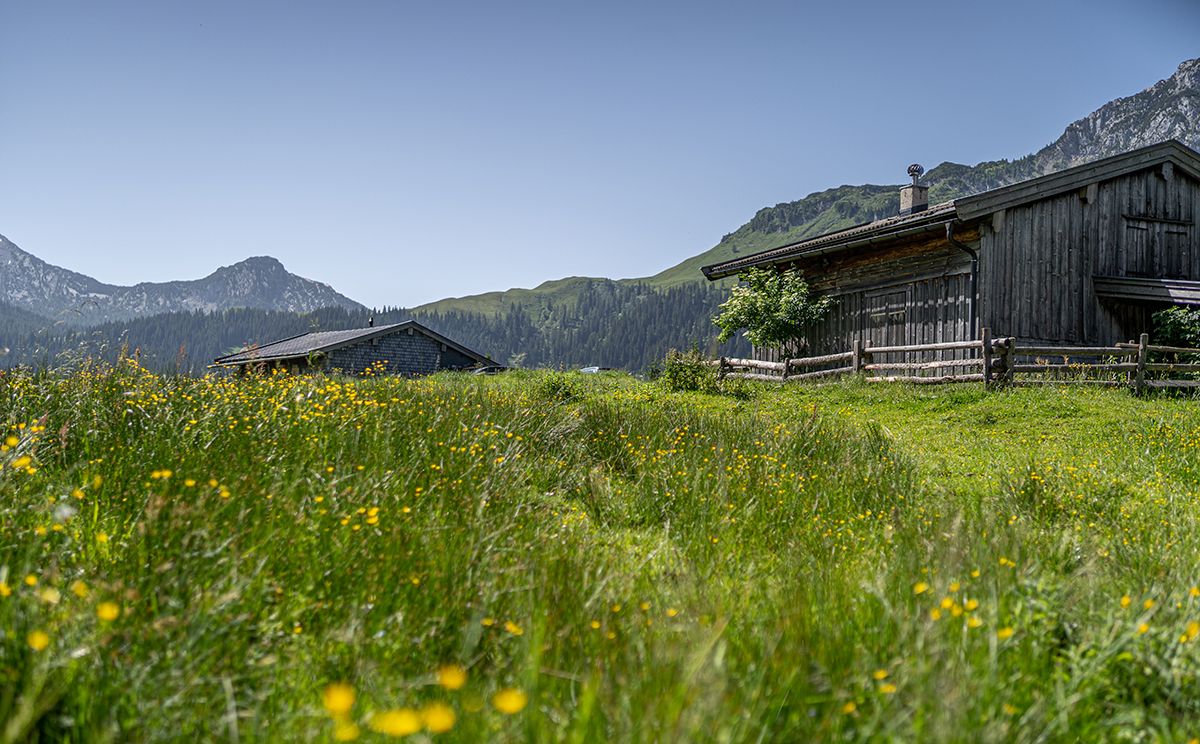
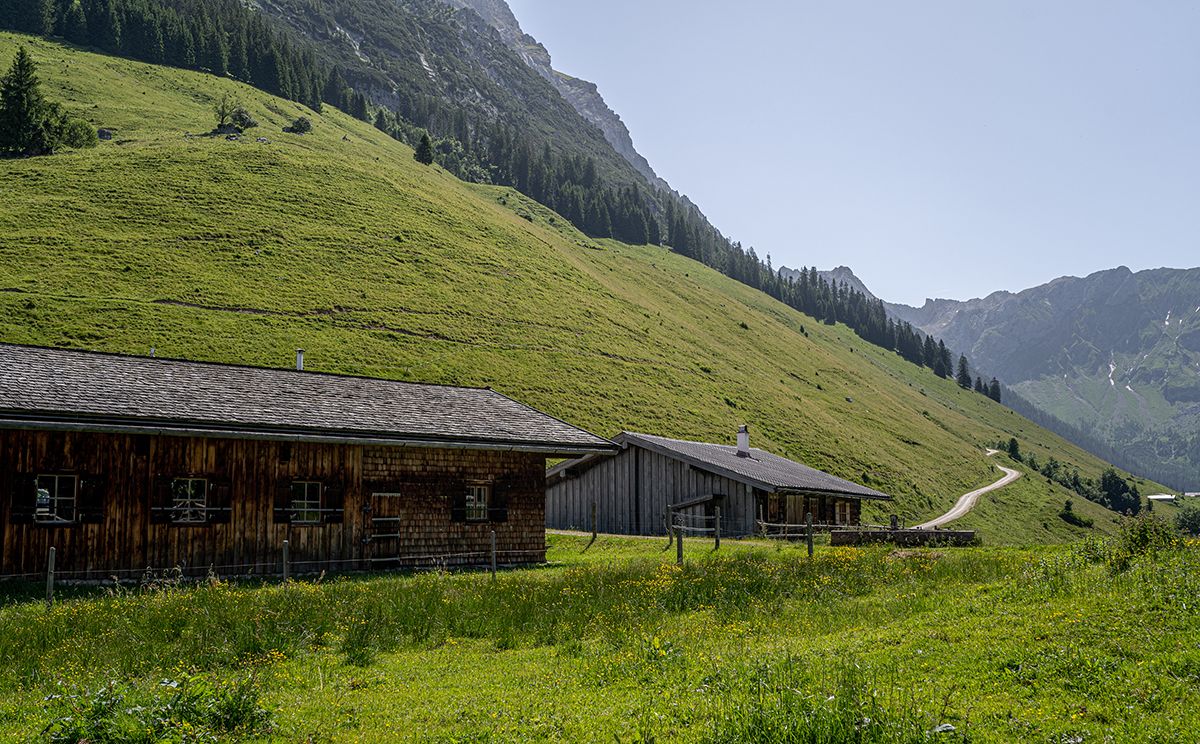
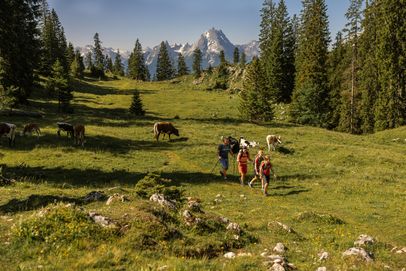
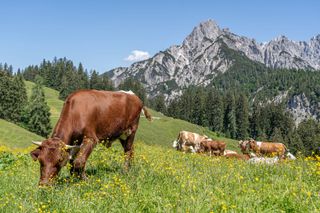
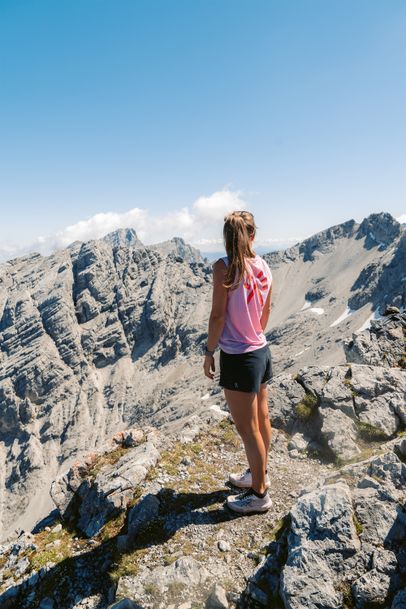
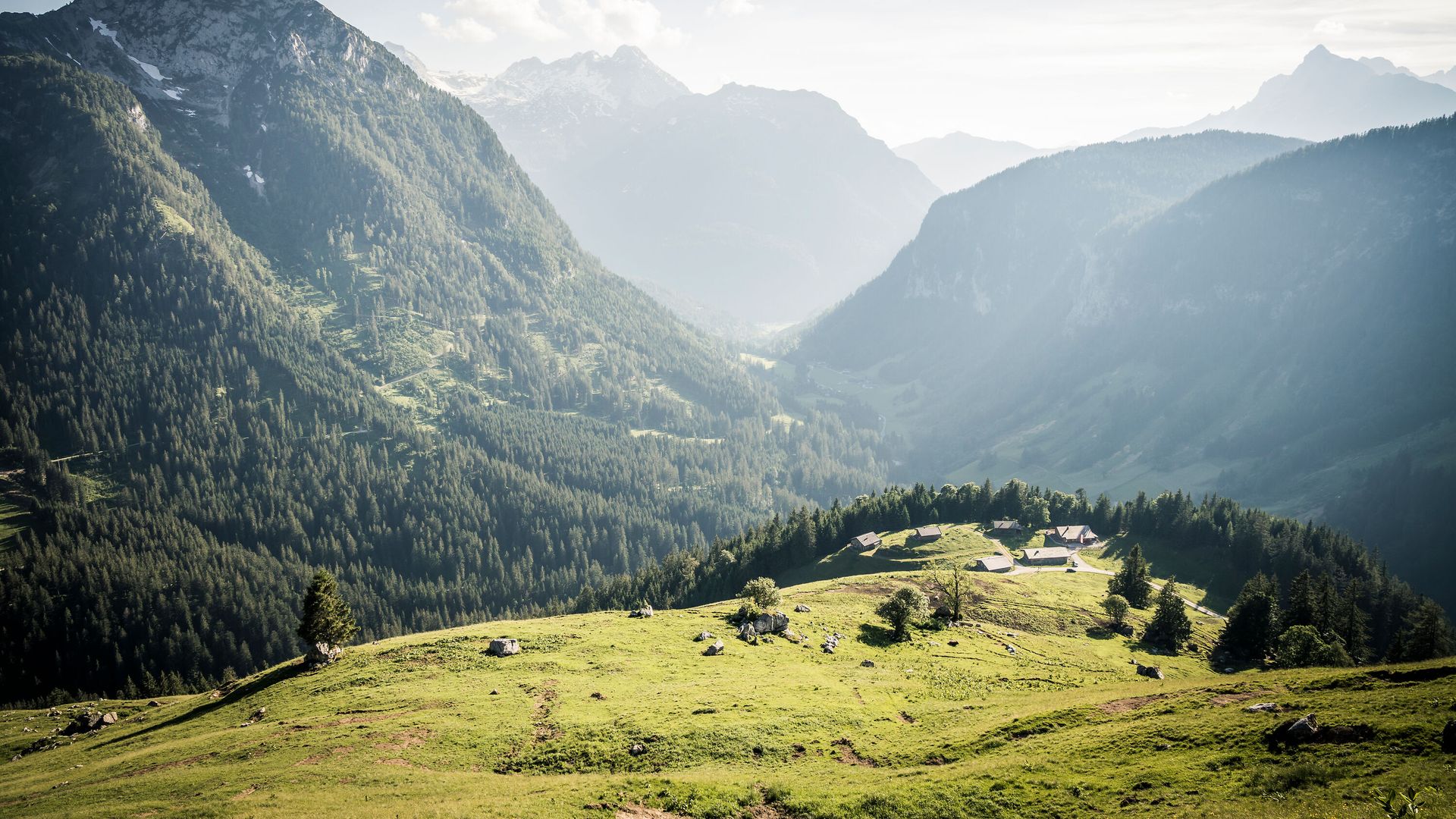
Kammerlingalm lies on Austrian territory but is also farmed by Bavarian families from Ramsau, Germany’s first Mountaineering Village. Its steep alpine meadows stretch across the slopes of the 2,448-meter Kammerlinghorn. From the pasture, you can enjoy sweeping views across Kallbrunnalm and Austria’s Hintertal valley to the Leoganger Steinberge mountains. Kammerlingalm is home to a total of eleven traditional alpine huts, known locally as Kaser. Seven of them are clustered fairly close together in the northwestern part of the pasture.
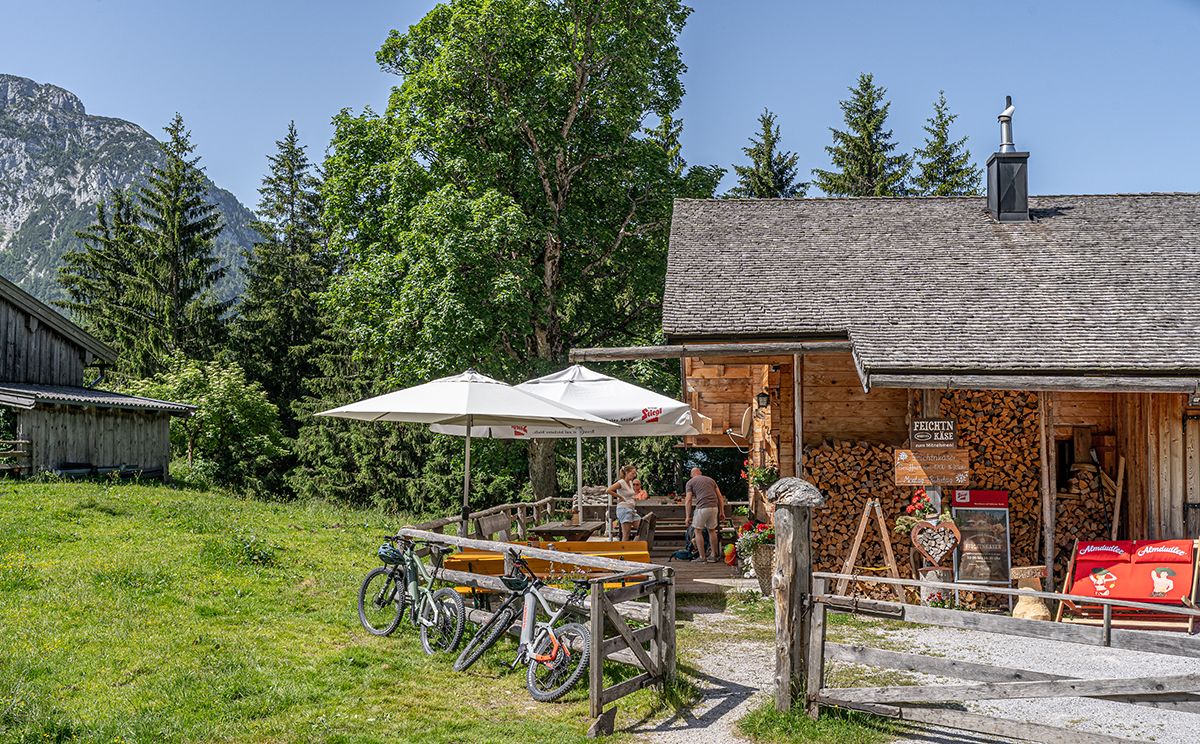
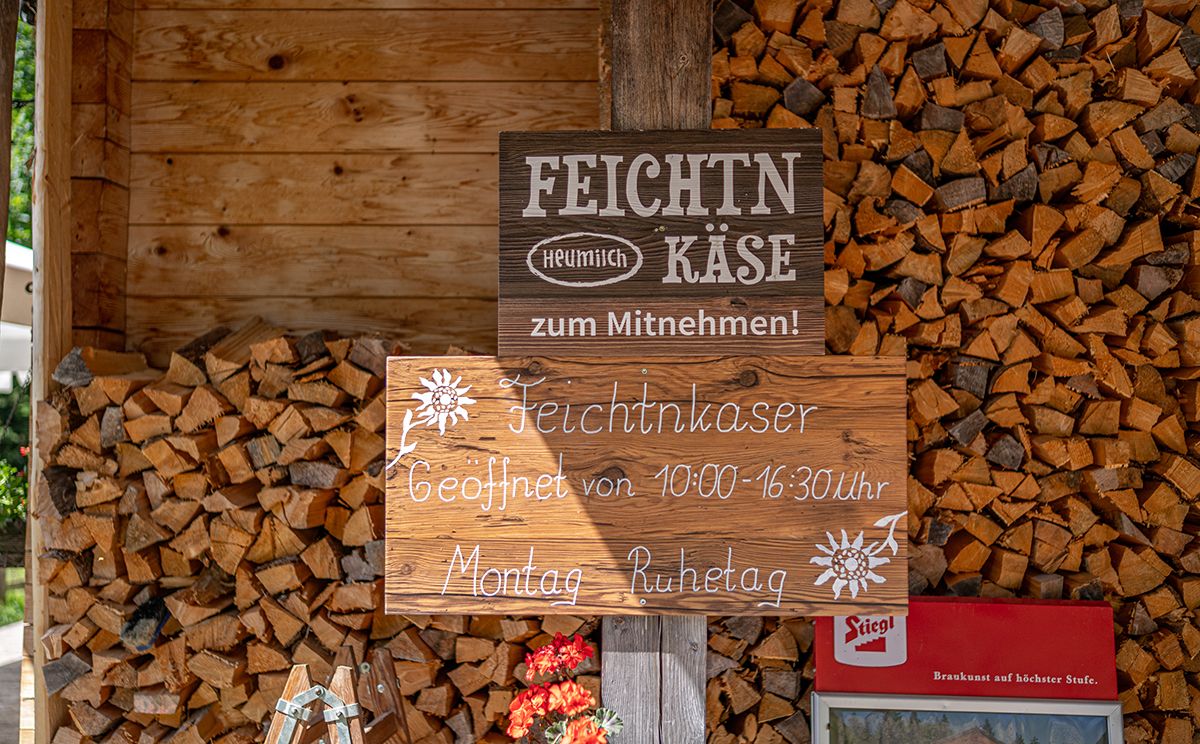
Feichtnkaser: a traditional alpine snack stop
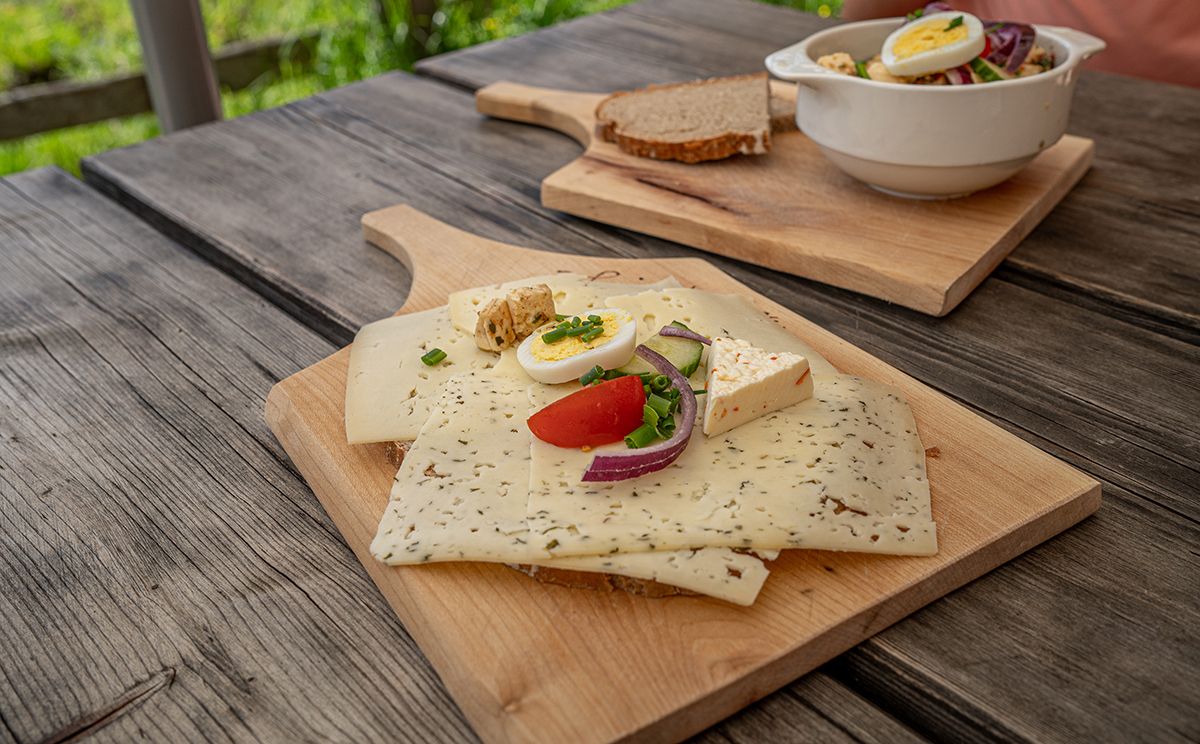
One of the first Kaser you’ll come to is Feichtnkaser, a great place to stop for a hearty snack featuring regional specialties. You can also reach Feichtnkaser by mountain bike from Hirschbichl.
Several of the other Kaser also welcome visitors during the summer months, offering fresh milk, buttermilk, cold drinks, and simple alpine snacks. Thanks to its secluded location away from the region’s better-known alpine pastures, Kammerlingalm remains a true hidden gem.
Hike to Kammerlingalm
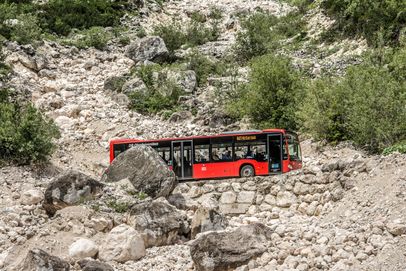
The quickest way to reach Kammerlingalm is from Hirschbichl. Take the ALMErlebnisBUS to the Hirschbichl stop and then hike the rest of the way—you’ll reach the alpine pasture in about 45 minutes. If you start at Hintersee in the mountaineering village of Ramsau, you should plan on about three and a half hours for the ascent.
Since 1980, a wide forest road—steep in places—has provided access to the alpine pasture. Kammerlingalm is also the perfect place to stop for a hearty alpine snack after descending from Kammerlinghorn, one of the best-known peaks in the Hocheis group of the Hochkalter massif.